
Why Urcaguary is spelled that way — and what it costs to get it right
There is a version of this name the early internet had to settle for: urcaguary. This is the file on how Urcaguary replaced it.
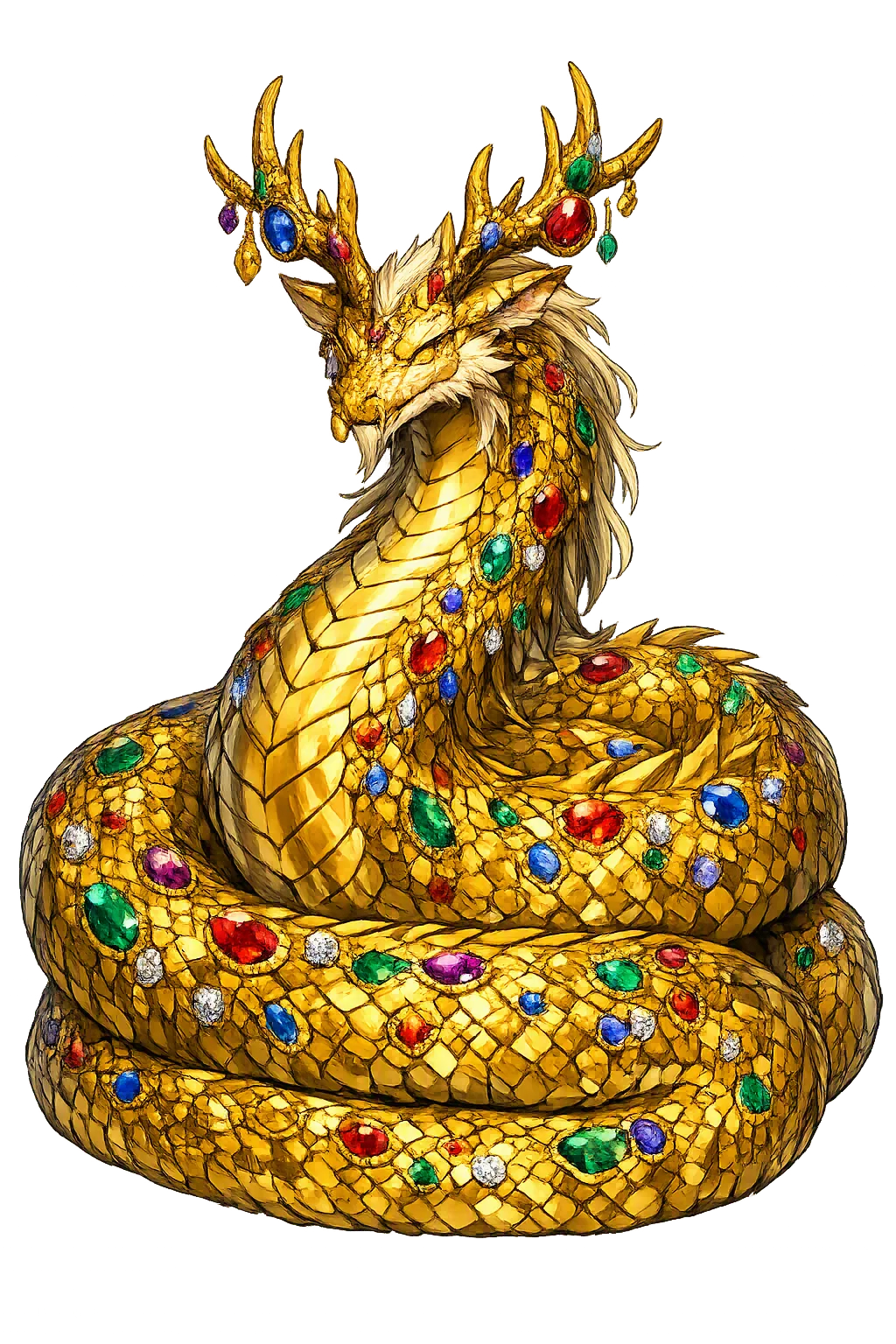
Urcaguary has no surviving epic. The sources are late, brief and partly modern, and honesty requires saying so plainly. What the tradition preserves is a portrait rather than a cycle: a serpent-bodied watcher below the mountains, a theology of treasure, and a mining etiquette that is still practiced in the Andes.
At a Glance
- Restored name: Urcaguary
- ASCII form: urcaguary
- Meaning: "He of the underground"
- Domain of influence: Underworld Jewels
- Pantheon: Incan
- Classification: Tier 2
- Original script: —
- Series: The Restoration Files, No. 508 of 548
The Name Before the Marks
Spoken, the name runs `/ˈur.ka.wa.ɾi/` — 'OOR-kah-wah-ree' — four light syllables; the 'g' is only the glide w and the final y a short 'ee'. Stress placement is not recorded: the initial stress follows modern Quechua habit and is a convention, not a fact.
The Temple That Stands Now
The restored name is not a plaque; it is an address. The temple of Urcaguary lives at /urcaguary/, with its mythology in the lore halls, its peer-reviewed record in the Scholarly Edition, and its place in the pattern atlas on the patterns floor.
Tier-2 here means one preserved truth — not less important, just singular. The temple shows it and names it.
Where the Name Stood First
No temple, cult statue or offering securely attributable to Urcaguary survives; the figure's archaeology is textual. The chronicles describe the golden effigies and huancas of the Coricancha and of provincial shrines — works seized and melted between 1533 and the 1570s, known today only through Cobo, Murúa and Cieza de León. Mining archaeology supplies the milieu: pre-Hispanic workings at Potosí's Cerro Rico and across the central Andes, stone hammers, ore-processing floors and shaft burials that kept the mountain's dead close to its metal. Andean art gives the iconography of his form without the name — serpents and deer crowd Moche and Inca metalwork and rock art — but no piece can be assigned to this deity with confidence. The temple on the web is the newest of these addresses — the first one that fits in a pocket.
The Archetype at Work
The pattern atlas seats this temple in 4 industries, each match argued and weighted: Funerary & Memorial Services (primary seat: Urcaguary embodies underworld jewels — the core of funerary memorial.); Gaming, Fantasy & Entertainment IP (resonant seat: Urcaguary shares symbolic territory with gaming entertainment.); Manufacturing, Craft & Automation (resonant seat: Urcaguary shares symbolic territory with manufacturing craft.). The Resonance File reads those seats through the myths themselves.
The File Continues
The temple's founding dispatch tells the name's story; its Resonance File reads the myths into the industries; the blog index holds the whole archive.
Continue the series — previous file: Uppsala (read it here) · next file: Vāc (read it here).
The Restoration Files are written from the same canonical record as the temples themselves: the lexicon, the lore catalog, the pattern atlas, and the cited scholarly sources. If a file ever disagrees with its temple, the temple is right — tell us, and the file will be corrected.