
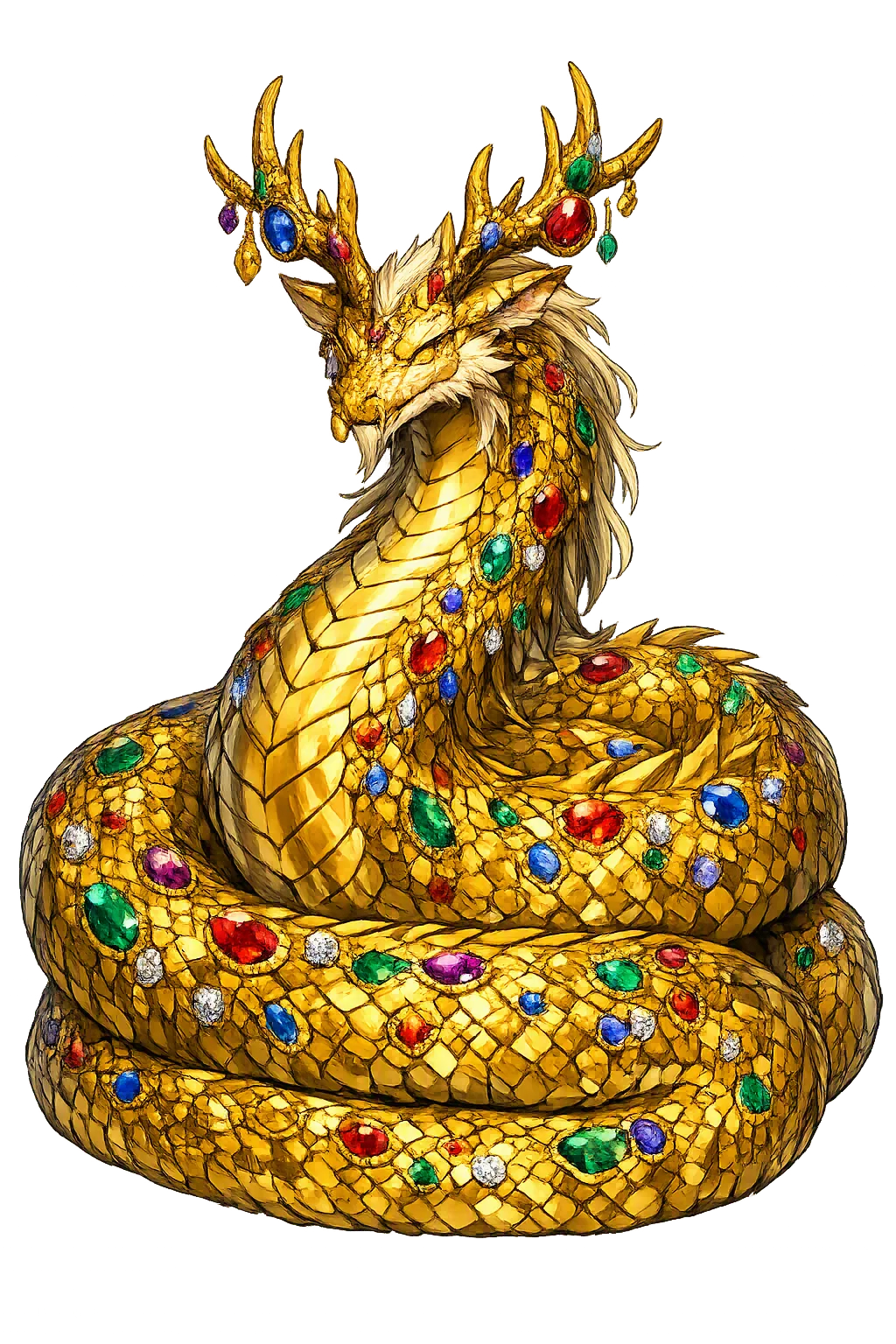
The Cult
No temple, altar, or priesthood of Urcaguary is recorded, and no pre-Columbian rite can be securely assigned to him: the god of hidden treasure kept his own cult hidden. What exists is the chroniclers' notice — Murúa and Cobo name him as the deity of the metals and gems sealed in the earth and describe mining shrines where ore-rich mountains received offerings — and the living etiquette those shrines explain. From Potosí to the central Andes, miners have for centuries poured chicha, laid coca, and burned cigarettes for the powers of the mine before the first charge is set, a courtesy paid to the mountain lord and to the Tío of the deep workings; ethnographers have documented the rite continuously since the early twentieth century. Urcaguary stands behind it as its theology: the underground wealth belongs first to the guardian, and gifts earn a share. Modern folklore collections that dress him as a European dragon on a hoard describe no attested cult. The real one is the ch'alla at the mine face, still spoken in Quechua.