
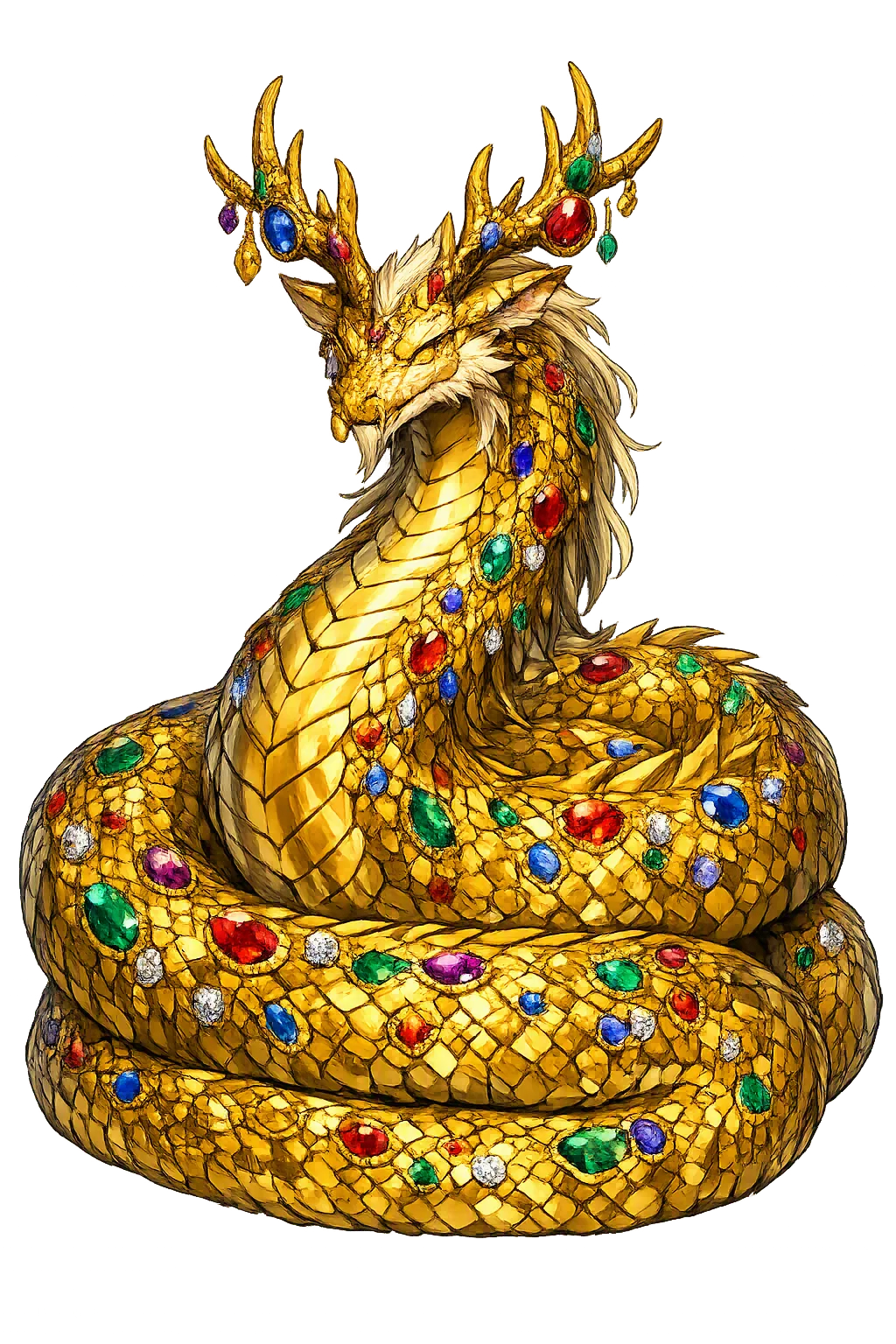
How Urcaguary got its accent back
The ASCII form urcaguary is missing something. Urcaguary restores the marks the source language used to distinguish this name from a thousand others — and those marks change how the name is read, pronounced, and understood. This post explains, with the full scholarly record behind it, what each restored mark preserves: the Incan transcription evidence, the reconstructed sound, the myths the name carries, and the classification logic that separates Tier 1 restorations from Tier 2. By the end, the marks in Urcaguary will look less like ornaments and more like what they are — recovered evidence, pinned back in its proper place.
At a Glance
- Restored name: Urcaguary
- ASCII form: urcaguary
- Meaning: "He of the underground"
- Domain of influence: Underworld Jewels
- Pantheon: Incan
- Classification: Tier 2
Overview
Urcaguary (urcaguary) — Underworld Jewels · He of the underground — belongs to the Incan tradition, where it is catalogued under the domain "Underworld Jewels". The name means "He of the underground".
Urcaguary is underworld jewels. The name means "He of the underground" and belongs to the incan tradition.
PuniCodex restores the name as Urcaguary and serves its temple at its temple. The restoration needs no distinctive letters or diacritics its ASCII form would lose, which places the name in Tier 2. The plain ASCII form urcaguary survives as a modern convenience imposed by the early domain-name system; the restoration, not the fallback, is the form the project defends as philologically complete.
The Name
No indigenous written attestation survives for this name; Urcaguary is a scholarly transliteration of the reconstructed spoken form. Etymologically the name means "He of the underground".
The ASCII form urcaguary survives only because the early domain-name system could not carry diacritics; it is a technological compromise, not an ancient spelling. The Unicode restoration Urcaguary recovers the full diacritic detail of the scholarly transliteration directly in the address bar. The restoration needs no distinctive letters or diacritics its ASCII form would lose, which places the name in Tier 2.
The letter-by-letter transformation runs:
- u → U — Same, capitalized
- r → r — Same
- c → c — Same
- a → a — Same
- g → g — Same
- u → u — Same
- a → a — Same
- r → r — Same
- y → y — Same
The Original Script
No indigenous writing system is securely attested for individual incan names. The form shown is a modern scholarly transliteration.
The form Urcaguary is therefore a scholarly transliteration rather than an attested ancient spelling; it encodes the reconstructed sound of the name for modern use, and no mark in it is decorative.
Pronunciation
The reconstructed pronunciation of the name is /urcaguary/ — Restored scholarly form.
Phoneme by phoneme:
- urcaguary — The canonical restored form Urcaguary.
For the modern speaker, the closest approximation is: Say "urcaguary" with the stress and length implied by the scholarly restoration "Urcaguary".
The ASCII form "urcaguary" is a DNS compromise; the restoration "Urcaguary" preserves the name's scholarly dignity.
Mythology
The stories of Urcaguary place underworld jewels at the center of a living mythological world.
Origins (Myth)
Urcaguary appears in incan tradition as underworld jewels. The name's meaning, "He of the underground", shapes the narratives told about this figure.
Worship and Memory (Cult)
Devotees and later tradition-keepers preserved Urcaguary in ritual, text, and iconography, ensuring the name survived into the modern scholarly record.
Symbols & Iconography
The iconography associated with Urcaguary concentrates in a small set of recurring attributes, each a compressed statement about the name:
- Name — The restored form Urcaguary, carrying scholarly and cultural weight.
- Domain — Underworld Jewels
Archaeology & Evidence
No monument, inscription, or artifact in the current PuniCodex corpus is yet assigned to Urcaguary with certainty. That absence should be read honestly: for a Incan name of this type the material record is expected to be thin, and the primary evidence remains the textual testimony gathered in the Scholarly Sources section.
Were such evidence to surface, it would take recognizable forms: votive or dedicatory inscriptions naming Urcaguary, sanctuary or cult remains tied to underworld jewels and iconography matching its traditional attributes (name and domain). Each candidate would be weighed against the reconstructed form of the name before entering the scholarly record.
Realm & Domain
Urcaguary is underworld jewels. The name means "He of the underground" and belongs to the incan tradition.
Sacred Name
The restoration Urcaguary returns the figure to scholarly recognition.
Underworld Jewels
Central domain: underworld jewels.
Living Tradition
Honored in incan myth, cult, and cultural memory.
Unicode Restoration
Preserved as a flagship temple despite the unregistrable plain-ASCII form.
Across Cultures
Within the Incan tradition, closely related names in the corpus include Ekkeko, Illapa, Inti, Mamaqucha, Mama Quilla, and Pachamama.
Cultural Legacy
Urcaguary remains a touchstone for understanding incan religion, art, and identity.
The Scholarly Record
The account of Urcaguary given in this edition rests on the witnesses and reference works listed below. Lexica and etymological dictionaries secure the form and meaning of the name; the literary and religious texts supply the narrative evidence.
A Meditation
To contemplate Urcaguary is to hold the idea of underworld Jewels in the mind and to ask what of it endures. The name means "He of the underground" — and a name that carries its meaning so openly invites meditation rather than mere recollection. The tradition remembers the name as underworld Jewels · He of the underground.
Sit with the restored form — Urcaguary — and the diacritics themselves become the practice: each mark is a small act of attention, a refusal to let the plain ASCII form urcaguary stand in for the whole. What the tradition preserved in this name, the restoration asks the reader to preserve in turn.
The Unicode Restoration
Urcaguary is classified as Tier 2: the restoration needs no distinctive letters or diacritics its ASCII form would lose. The ASCII fallback urcaguary still resolves everywhere, but it is the restored form that carries the name's full information. That is the whole thesis of this temple: the marks are the message.
Character by Character
The journey from urcaguary to Urcaguary, one character at a time:
- u → U — Same, capitalized
- r → r — Same
- c → c — Same
- a → a — Same
- g → g — Same
- u → u — Same
- a → a — Same
- r → r — Same
- y → y — Same
The Incan Pantheon
Urcaguary is one of 11 entries the PuniCodex lexicon catalogues under the Incan pantheon. The Pantheon page gathers the tradition's major figures in one place, and the Lexicon lets you filter all 980 restorations by tradition, tier, or script — the fastest way to see where this name sits among its kin.
Frequently Asked Questions
What does Urcaguary mean? The traditional gloss is "He of the underground."
Which tradition does Urcaguary belong to? Urcaguary is catalogued in the Incan pantheon of the PuniCodex lexicon.
Why is Urcaguary classified as Tier 2? Because the restoration needs no distinctive letters or diacritics its ASCII form would lose — and the marks in the restored spelling preserve exactly that evidence.
Can I use Urcaguary in a normal browser? Yes. The DNS resolves the punycode form automatically, and the type tool on this site converts urcaguary to Urcaguary for copying and pasting.
Where does the scholarly information come from? The entry is built from lexica, inscriptional evidence, and reviewed scholarly sources listed in the Scholarly Edition. Every claim is traceable to a canonical source.
Typing Urcaguary
You do not need a special keyboard to use this restoration. The PuniCodex Type Tool converts the ASCII form urcaguary into Urcaguary as you type, and the browser extension offers the same conversion inside any text field. Copy the restored form, paste it into the address bar, and the DNS does the rest.
Sister Temples
Other temples in the Incan pantheon include Wamani, and Mama Quilla — each with its own restoration story, its own scholarly record, and its own place in the lexicon.
Why This Restoration Matters
The marks in Urcaguary were never lost; they were only waiting for a carrier that could hold them. Now that the carrier exists, the burden flips: every use of urcaguary is a choice to leave evidence on the table. The PuniCodex temple keeps the restored form in circulation — as a domain, a dataset entry, and a scholarly argument — so that the choice to use it stays easy. Accent by accent, macron by macron, that is how the original names come back: not with a single grand gesture, but with a spelling that finally works everywhere.
Explore Further
This post is one doorway into the temple. The home page carries the full character breakdown and the ambient canvas; the lore page tells the myths in long form; the Scholarly Edition preserves the sources, pronunciation data, and revision history; and the patron wall supports the restoration directly. For the wider map, browse the Lexicon, explore the Pantheon, or return to the PuniCodex blog.
A Closer Look at the Marks
A restored name is a small map. In the case of Urcaguary, the map does not lead through diacritics or special letters, because the source tradition wrote the name in Incan transcription rather than in the Latin alphabet. The ASCII form urcaguary and the restored form share the same letters; the restoration is a decision about which conventional spelling should serve as the public reference.
That decision is not cosmetic. The original script attestation carries semantic and phonetic information that no romanization can fully reproduce. By fixing one conventional spelling as the canonical domain form, the project prevents the drift that happens when a name is romanized differently in every article, map, and database. The breakdown still lists each character — u, r, c, a, g, u, a, r, y — so visitors can see exactly what is being carried forward and what is not. What looks like "no change" is, in fact, a deliberate choice to keep the name stable, searchable, and addressable.
Urcaguary in Its Tradition
Urcaguary does not stand alone. It belongs to the Incan tradition, where it is counted among 11 names in the PuniCodex lexicon. Its sphere — Underworld Jewels — places it beside other figures who govern similar aspects of experience. The restored spelling is therefore not only a philological decision; it is a way of keeping the name in the company of its kin. When the address bar shows Urcaguary, it marks the boundary between a generic search term and a named entry in a living catalog of myth. That catalog is the point of the project. Every restored name is a vote for specificity: the web should know the difference between a figure and a keyword, between a tradition and a trend. Urcaguary is one such vote.
What You Will Find in the Temple
The temple page for Urcaguary is more than a landing page. The home tab presents the character breakdown, the pronunciation guide, and the live domain status in a single view. The lore tab gathers the myths and narratives that give the name its depth. The Scholarly Edition tab publishes the sources, variant forms, and review history that justify the restoration. Industry patterns show where the name appears in modern commerce and culture, while the gallery and creatives tabs collect visual and sponsor material. The patron wall lets visitors support the restoration directly. Each tab is generated from the same canonical sources, so the domain, the blog, the scholars page, and the search index all agree. The result is a single source of truth about a name, delivered through several doors.
The Restoration on the Live Web
A domain name is a kind of publication. When Urcaguary resolves, it proves that the restored spelling is not a theoretical exercise; it is a working address on the public internet. Search engines can index it, language models can encounter it, and anyone who copies it from a manuscript can paste it into a browser. That practical reality changes the status of the restoration. Before Unicode domains, a scholar could write the name correctly in an article while the public web flattened it to urcaguary. Now the public web can carry the correct form end to end. The punycode translation happens silently, so the infrastructure remains compatible while the visible name keeps its marks. That compromise — human-readable restoration, machine-readable encoding — is the foundation of every PuniCodex temple.
Restoration Notes
Restoring a name is not a single decision; it is a sequence of smaller decisions, each backed by a different kind of evidence. For Urcaguary, the chain begins with the attested form in Incan transcription, continues through the standard scholarly romanizations, and ends with the DNS-compatible Unicode spelling used by this temple. The meaning "He of the underground" anchors the name in its semantic field; without that anchor, the marks would float free of the figure they name. The restored form Urcaguary and the ASCII form urcaguary share the same Latin letters; the restoration here is a conventional capitalization rather than a recovery of lost diacritics or special characters. Those adjustments are not arbitrary styling. They follow the tier rule that places Urcaguary in Tier 2: the restoration needs no distinctive letters or diacritics its ASCII form would lose. The rule is mechanical, not editorial, which means the same standard applies to every entry in the lexicon. A visitor who disagrees with the classification can at least see exactly which evidence produced it, because every step is recorded in the Scholarly Edition. That transparency is the difference between a restoration project and a branding exercise. The name is being put back, not invented.
Related Names
Sources
The full scholarly apparatus — every citation, revision, and review — lives in the Scholarly Edition. Key references for this post:
- Scholarly reference
- Lexicon authorities for this entry: D'Altroy, Bauer.
Scholarly Notes and the Sacred Economy of Minerals
Urcaguary occupies a fascinating position at the intersection of religion, geology, and economics. In modern terms, he is a deity of mining; in Andean terms, he is the personification of the mountain's interior and the jewels that lie within it. This difference in framing matters enormously. A mining company sees ore as a commodity to be extracted; an Andean miner sees it as a gift from the mountain's deity, given in exchange for respect and offerings. Urcaguary is the symbolic expression of this second view.
Scholars have noted the continuity between Urcaguary and contemporary figures such as El Tío. The clothing, the offerings, and the location at the mine entrance all suggest that the old serpent deity survived by adapting to colonial and industrial conditions. This is not a static tradition but a living one, capable of incorporating new materials such as cigarettes and alcohol while maintaining the underlying logic of reciprocity with the underworld. The study of Urcaguary is therefore a study in religious resilience.
The PuniCodex restoration of Urcaguary gives this minor but significant deity a public name in the digital sphere. Because he is not as famous as Inti or Pachamama, his restoration is especially important: it prevents the figure from disappearing into the background noise of the internet. The serpent of jewels may be underground, but his name now has a place above ground.
The restored name Urcaguary shines a small light into the mines and caves where the old serpent still guards the earths hidden wealth. His serpentine form reminds us that the earths interior is not a warehouse but a body, and that extraction without reciprocity is a kind of wounding.
Related Names
- Pachacámac — Creator, Earthquake
- Ekkeko — Luck, Abundance
- Illapa — Thunder, Lightning, War
- Inti — Sun, Empire, Agriculture
- Mamaqucha — Sea, Fishermen
Sources
- Gary Urton, The History of a Myth: Pacariqtambo and the Origin of the Incas (1990).
- Terence N. D'Altroy, The Incas (2002).
- Bernabé Cobo, History of the Inca Empire (1653; trans. Roland Hamilton, 1979).