
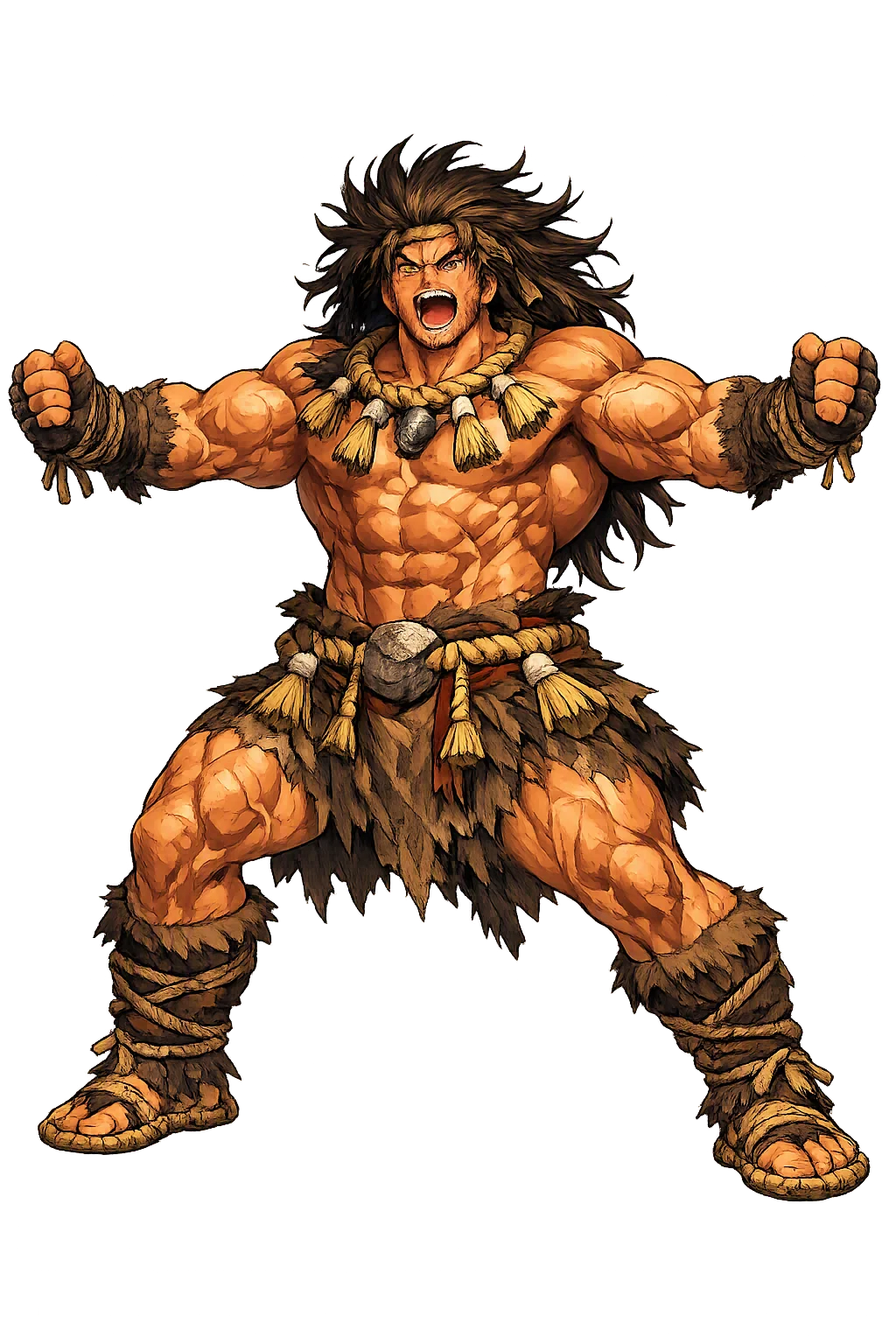
The provenance file on Tajikarao
The provenance file for Tajikarao. Nothing here is unsourced; that is what the file is for.
Provenance
1. The attestation. 手力男神 — "Strong hand man". On record: Kojiki, Ama-no-Iwato narrative (Kamitsumaki), Nihon Shoki, Age of the Gods, Scroll I, Philippi, Kojiki (Princeton, 1968), Aston, Nihongi (1896).
2. The narrative record. The Sun Withdraws into the Rock — The crisis begins with Susanoo's rampage. The storm god, granted leave from heaven, trampled down the ridges of Amaterasu's rice-paddies, filled in her irrigation ditches, and finally flayed the heavenly piebald colt and hurled its carcass through the roof of the sacred weaving-hall, so that a weaving-maiden, struck by the flying shuttle, died at her loom (Kojiki). The Laughter at the Cave Door — The assembled kami answered with misdirection. The goddess Ame-no-Uzume bound up her sleeves with a heavenly vine, took a bundle of sasaki grass for a headdress, overturned a tub before the cave, and stamped out a lewd, rattling dance upon it, baring herself to the roaring laughter of the whole assembly.
3. The physical record. No excavated site attests Tajikarao himself from the Kofun period or earlier; his evidence is cultic and textual. The clearest material anchor is Amanoiwato-jinja above the Takachiho Gorge in Miyazaki Prefecture, where the cave of the myth is identified and a worship-hall faces the cliff across the gorge. His principal shrine, the Middle Shrine (Chū-sha) of Togakushi in Nagano, stands within a complex whose documented history runs from the mid-ninth century, when the Tendai temple Togakushi-san was founded on the mountain; the present shrine buildings are early modern, and the famous cryptomeria avenue to the Oku-sha was planted in the medieval period. Kagura masks and votive tablets depicting the cave scene, from the early modern period onward, are held in shrine collections across western Japan.
4. The current holding. The temple at /tajikarao/, classified Tier 2. One decisive feature survives — a single, honest mark — which places the restoration in Tier-2: exact, and exactly labeled.
5. The documented resonances. Construction & Engineering, Sports, Fitness & Competition, Defense, Military & Security — seats argued and weighted in the pattern atlas, read through the myths in this temple's Resonance File.
6. The primary sources. Kojiki, Nihon Shoki — the library this file answers to, open at the Sacred Texts collection.
7. The continuing record. Tajikarao's living monument is Togakushi. The shrine complex above Nagano, approached by an avenue of centuries-old cedars, draws pilgrims and hikers to the Oku-sha and worshippers seeking strength and favorable outcomes to its Middle Shrine; the mountains acquired a second, separate fame in the medieval period as the legendary home of the Togakure-ryū ninja tradition — the 'hidden door' serving concealment as well as revelation.
At a Glance
- Restored name: Tajikarao
- ASCII form: tajikarao
- Meaning: "Strong hand man"
- Domain of influence: Strength, Caves
- Pantheon: Japanese
- Classification: Tier 2
- Original script: 手力男神
- Series: The Restoration Files, No. 473 of 548
The File Continues
Read the founding dispatch for the name's full story, the Resonance File for the archetype at work — or the whole archive in one sitting.
Continue the series — previous file: Tàishàng (read it here) · next file: Takachiho (read it here).
The Restoration Files are written from the same canonical record as the temples themselves: the lexicon, the lore catalog, the pattern atlas, and the cited scholarly sources. If a file ever disagrees with its temple, the temple is right — tell us, and the file will be corrected.