
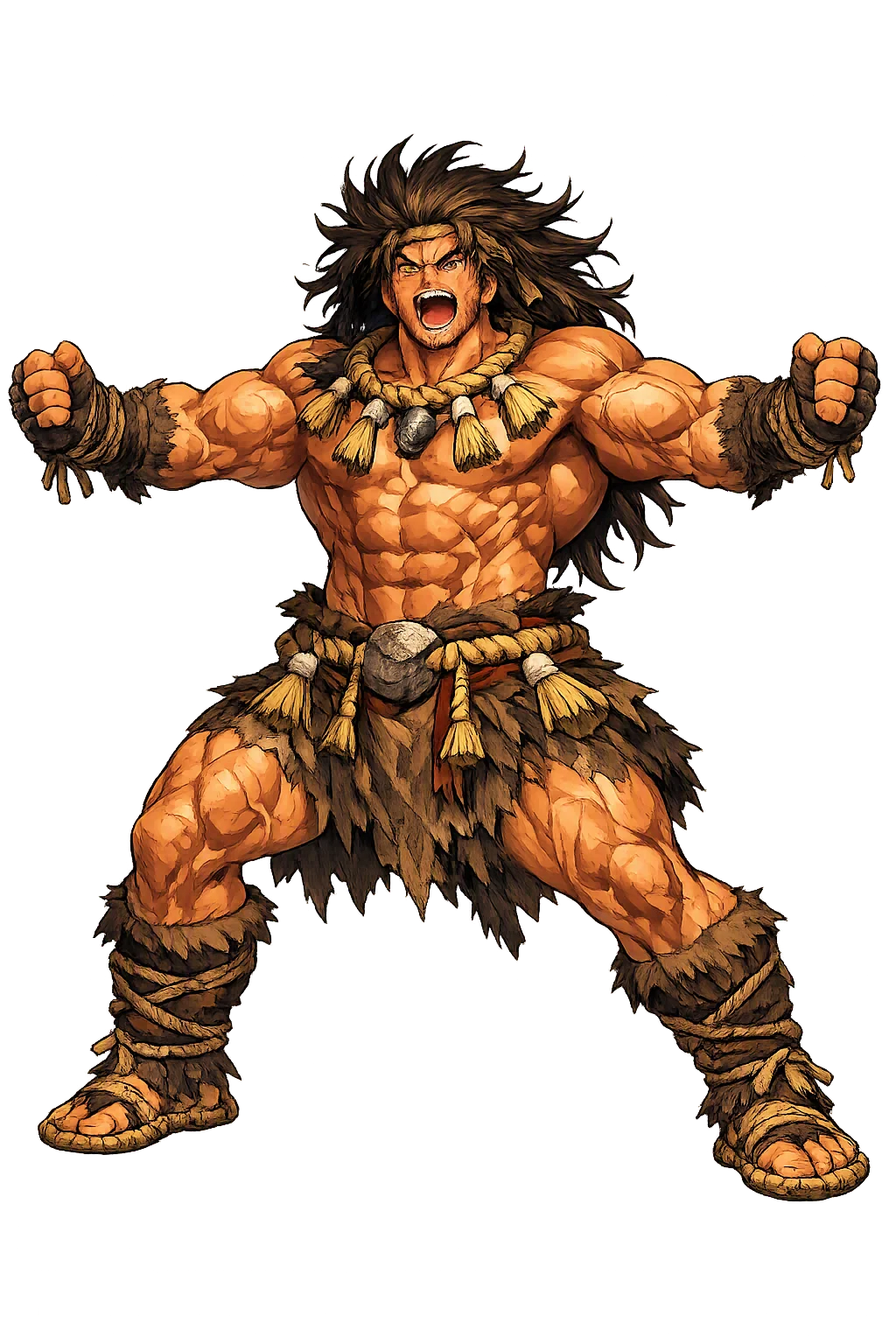
Stress-testing Tajikarao: do the industry seats hold?
Audit: Tajikarao, seat by seat. The atlas makes claims; the myths decide which ones stand. This is the record of what held.
At a Glance
- Temple: Tajikarao
- Pantheon: Japanese
- Domain of influence: Strength, Caves
- Pattern seats: 4
- Sectors touched: Technology & Innovation · Culture & Entertainment · Commerce & Governance
- Strongest seat: Construction & Engineering
- Series: The Resonance Files, No. 473 of 548
The Test
Seat 1: Construction & Engineering
Claim: The strong-hand kami who rolled back the cave stone; raw strength is the trade. Exhibit: The Sun Withdraws into the Rock — The crisis begins with Susanoo's rampage.
Verdict: survives scrutiny. The myth and the trade do the same work.
Seat 2: Sports, Fitness & Competition
Claim: The strong-hand kami; strength sports and feats of power are his literal domain. Exhibit: The Laughter at the Cave Door — The assembled kami answered with misdirection.
Verdict: stands. Strip both to their function and the functions match.
Seat 3: Defense, Military & Security
Claim: The strong-hand kami whose power pulled Amaterasu from the cave; raw force in defense of the realm. Exhibit: The Strong Hand — Leaning out to see the 'new goddess', Amaterasu saw her own blazing reflection — and as she stood amazed, Ame-no-Tajikarao seized her by the hand and pulled her bodily out of the cave (Kojiki).
Verdict: holds under load. The correspondence is functional, not decorative.
Seat 4: Manufacturing, Craft & Automation
Claim: The strong-hand kami; his grip is the force behind every tool. Exhibit: The Sun Withdraws into the Rock — The crisis begins with Susanoo's rampage.
Verdict: stands. Strip both to their function and the functions match.
The Control Group
Against the seats that survived, one control: the temple's own summary of its figure — Tajikarao's mythology is a single great scene — the Ama-no-Iwato, the Heavenly Rock-Cave — yet it is among the most retold scenes in Japanese religion. The seats do not drift far from it. That is the audit's cleanest result.
The Method, Stated Plainly
Skeptical? Good — the system is built for you. Every seat in this file carries its why-line and its weight, the full derivation is public at the methodology page, and the challenge process is part of the design. Falsifiable is not a posture here; it is the mechanism.
For the Ones Who Work There
For a sponsor in construction & engineering, the fit here is not adjacency — it is inheritance. Your trade already tells this story every working day; the temple simply holds the original. The patron tier and the advertising terms carry the mechanics; the myths above carry the reason.
The File Continues
This is one of 548 Resonance Files — the third dispatch from every flagship temple, where the myths meet the markets. The temple's founding dispatch tells the name's story; its Restoration File tells the spelling's; the blog index holds the whole archive.
Continue the series — previous: Tàishàng (read it) · next: Takachiho (read it).
The Resonance Files are argued from the same canonical record as the pattern atlas itself: the lexicon, the lore catalog, and the cited sources. Every seat can be challenged at the methodology page — and the challenge is the point.