PuniCodex

Extended Lore

手力男神 Tajikarao

Etymology · Phonology · Orthography · Cultural Legacy · Primary Sources

Tier 2 Tajikarao
Tajikarao — Strength, Caves
01

Quick Facts

Essential information about Tajikarao, Strength, Caves

Original Script手力男神
Unicode RestorationTajikarao
Reconstructed Pronunciation/ta.dʑi.ka.ɾa.o/
PantheonJapanese
DomainStrength, Caves
MeaningStrong hand man
ClassificationTier 2
Primary DomainTajikarao
Sacred SymbolsStrong hands, Cave door, Sunlight, Mountains
02

Etymology & Word Family

From original script to Unicode restoration

Original Script 手力男神 Tajikarao — "Strong hand man"
Unicode Restoration Tajikarao Restored stress, length, and script
Modern ASCII tajikarao Plain-ASCII fallback

Tajikarao is Tier 2: plain Hepburn. He is the strong-handed kami who restored the sun to the world.

03

Unicode Character Breakdown

Character-by-character philological analysis

CharacterUnicodeNameBlockPhonetic Role
TU+0054Latin Capital Letter TBasic LatinSame, capitalized
aU+0061Latin Small Letter ABasic LatinSame
jU+006ALatin Small Letter JBasic LatinSame
iU+0069Latin Small Letter IBasic LatinSame
kU+006BLatin Small Letter KBasic LatinSame
aU+0061Latin Small Letter ABasic LatinSame
rU+0072Latin Small Letter RBasic LatinSame
aU+0061Latin Small Letter ABasic LatinSame
oU+006FLatin Small Letter OBasic LatinSame

The Tier 2 classification reflects how much of the original phonology this restoration preserves — stress and vowel length for Greek names, distinctive letters and diacritics for every other tradition.

04

Cultural Significance

From ancient cult to modern Unicode

Ancient Domain

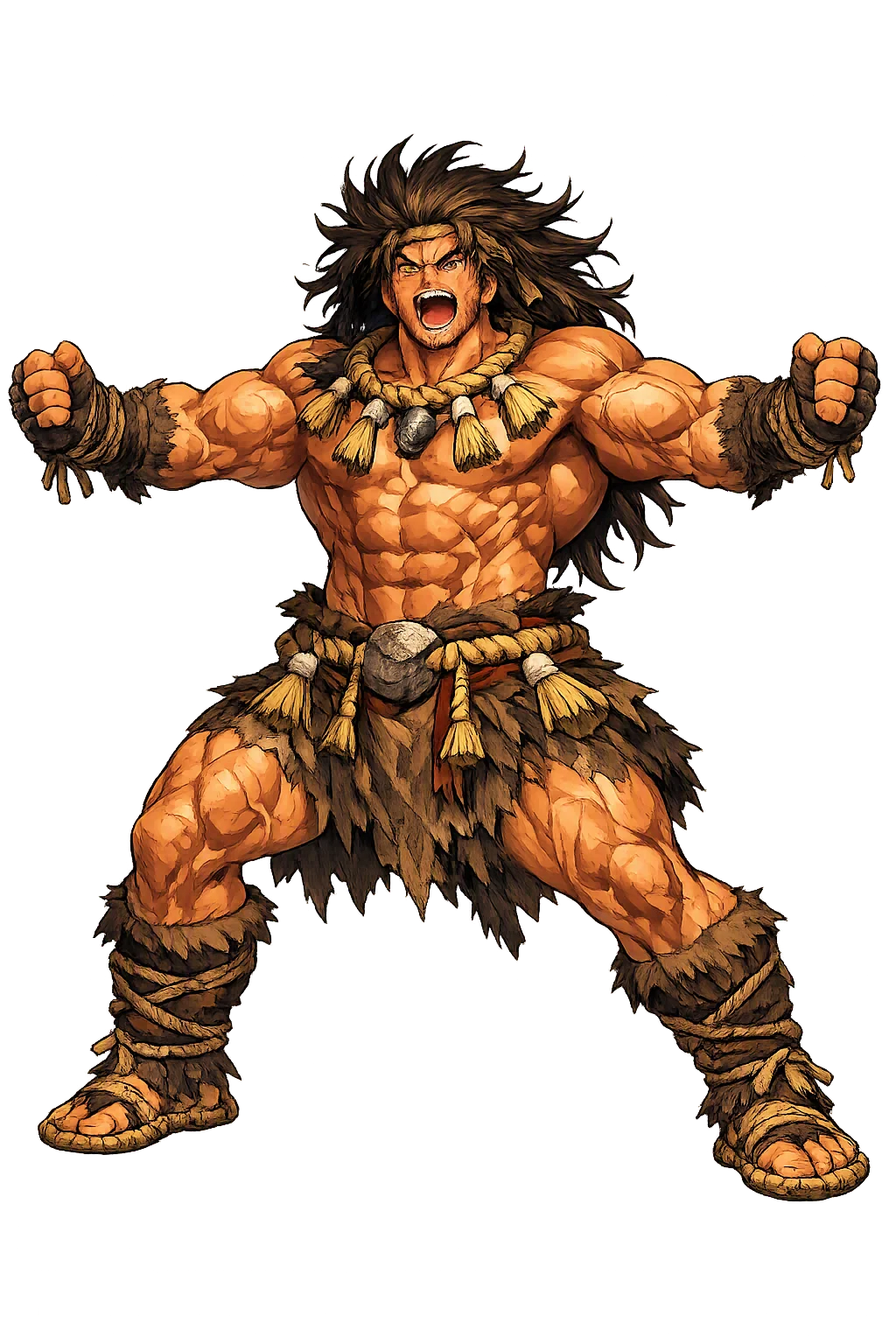
Tajikarao is the kami of physical strength, famous for pulling Amaterasu from the cave into which she had withdrawn. His name means 'Strong-Handed Man,' and he embodies the raw power that complements the cunning of Ame-no-Uzume and the radiance of the sun goddess.

Tajikarao in Later Traditions

Tajikarao is a specialist deity: he does one thing, but that one thing is essential. He balances the cleverness of Uzume with brute strength, showing that cosmic restoration requires both persuasion and power. His association with caves connects him to broader Japanese beliefs about mountains as liminal spaces.

Modern Legacy

Tajikarao is remembered primarily through the Amaterasu cave myth, one of Japan's most retold stories. He appears in art, drama, and popular media as the strongman who saved the world. His name is invoked when strength and decisive action are needed.

Unicode Restoration as Cultural Act

Restoring Tajikarao in a domain name is more than orthographic accuracy. It is a statement that the internet should recognize the full range of human writing — not only the ASCII keyboard.

05

Frequently Asked Questions

Common questions about Tajikarao, Strength, Caves, and Unicode restoration

01How do you pronounce Tajikarao?

In reconstructed pronunciation, Tajikarao is /ta.dʑi.ka.ɾa.o/ — approximately 'TAH-jee-kah-rah-oh' — the 'j' is soft, and the 'r' is a light tap..

02What does Tajikarao mean?

Tajikarao means Strong hand man in the japanese tradition.

03What are the symbols of Tajikarao?

Tajikarao is associated with Strong hands (The attribute that gives him his name and power), Cave door (The rock-door he pulled open to release Amaterasu), Sunlight (The light that returned when he acted), Mountains (The rocky places where his strength is most needed).

04Why restore Tajikarao in Unicode?

Plain ASCII tajikarao strips the stress, length, and script that make the name specific. Unicode restoration returns the name to its original written dignity.

05What is the most important myth about Tajikarao?

When Amaterasu peeked out of the Ama-no-Iwato cave, drawn by Uzume's dance and her own reflection in a mirror, Tajikarao seized her hand and pulled her into the open. Some versions say he pulled the rock-door itself from its hinges. His strength overcame her withdrawal and returned light to the world.

06

Scholarly Sources

The philological foundations of this restoration

Every claim on this page is grounded in established scholarship. The orthographic restorations follow disciplinary convention. The etymological chain follows the best available reference works. This is not invention — it is resurrection through scholarship.

Lexicography & Philology

  • Kojiki
  • Nihon Shoki

Primary Texts

  • Kojiki (Ama-no-Iwato episode)
  • Nihon Shoki (parallel account)
  • Philippi, Kojiki

Archaeology & Art History

  • Material evidence — iconography, inscriptions, and temple archaeology — for Tajikarao and related cults.
  • Tajikarao has no major independent shrine. His significance is preserved in the cave mythology and in local cults associated with strength and mountain caves.

Religious Studies

  • Comparative studies of japanese religion and the place of Tajikarao within it.
Return

The Surface Awaits

You have traced the name from its earliest attestation to its Unicode restoration. Now return to the myth. The story is where the name lives.

Back to Lore
Tajikarao mascot