
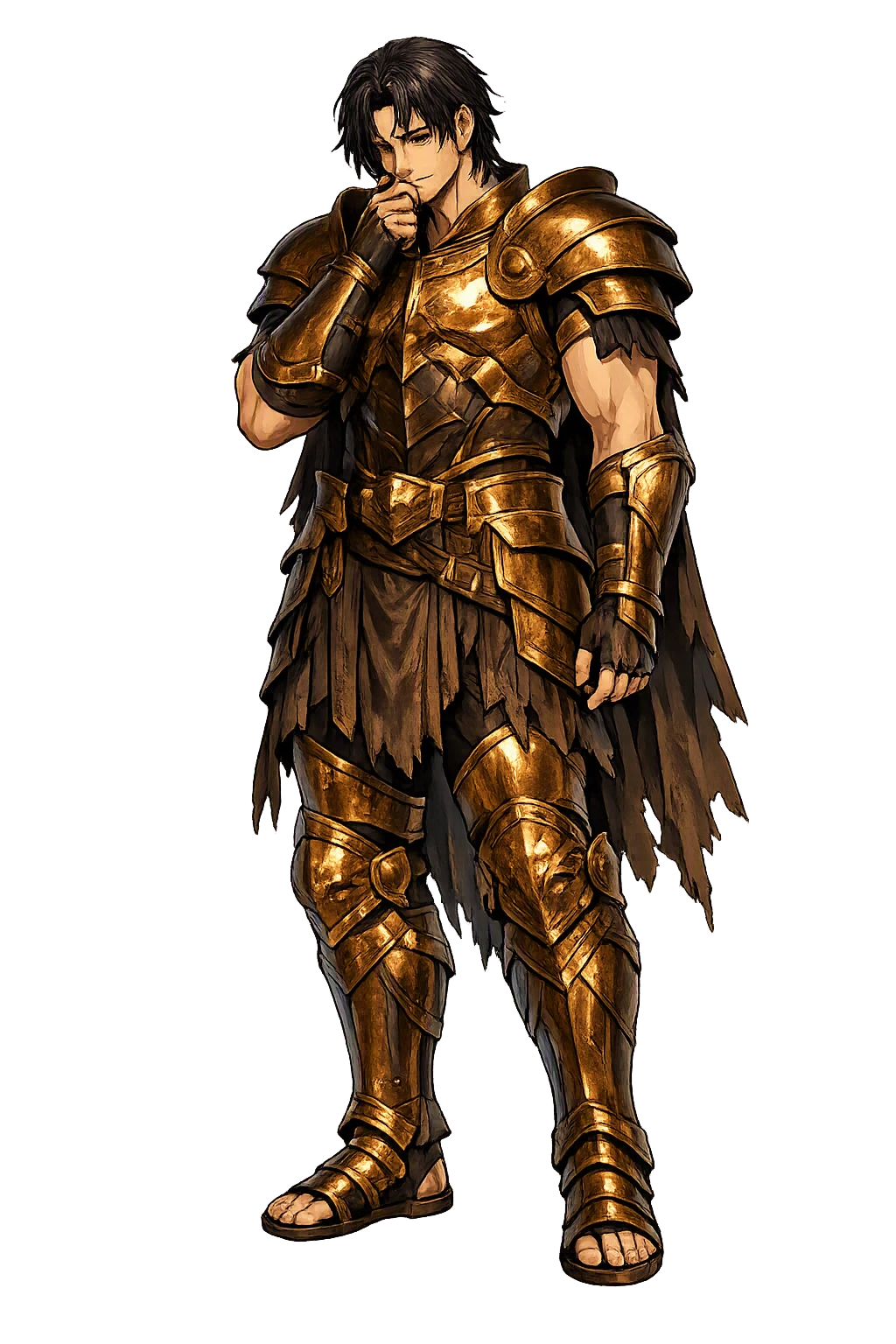
Epimētheús, translated into industries: what the archetype actually does
The myths did not retire. They moved offices. This is the file on where Epimētheús works now.
Epimētheus appears most fully in Hesiod's didactic poems and Plato's Protagoras, where he is less a hero than a caution: the type of mortal who acts first and understands later. His small cluster of myths is the Greek anatomy of hindsight.
The pattern atlas — which maps every flagship temple to the industries its archetype demonstrably resonates with, each match argued and open to challenge — seats this temple in 5 industries. This file reads those seats the way they were earned: through the myths.
At a Glance
- Temple: Epimētheús
- Pantheon: Greek
- Domain of influence: Afterthought, Hindsight
- Pattern seats: 5
- Sectors touched: Culture & Entertainment · Society & Spirit · Health & Wellbeing · Technology & Innovation
- Strongest seat: Mythic Name Restoration
- Series: The Resonance Files, No. 147 of 548
The Myth at Work
The Brother Given the Job. In Plato's Protagoras (320c-322d), the gods mold mortal creatures from earth and fire and assign Promētheus and Epimētheus the job of equipping each kind with its powers: Epimētheus persuades his brother to let him distribute, while Promētheus inspects. Epimētheus — true to his name — hands out strength, speed, claws, hides, wings, and hooves until every species is protected; then he looks at the naked human being, 'still unprovided with its portion,' and realizes the stock is spent. — that is not just a story. It is a business model, four thousand years early.
Take Nothing From Zeus. After Zeus had Promētheus bound for the theft of fire, he devised a second punishment: the fashioned Pandora, sent to earth with a great storage-jar as her dowry. Hesiod's Works and Days (83-89) records the crucial detail — 'before this' Promētheus had warned his brother never to accept a gift from Olympian Zeus, but to send it back, 'so that no evil come to mortals. — hold that image; the industries below are where it goes to work.
The Seats
Each of these is argued in the atlas with a weight and a why-line. What the atlas cannot fit in one line is the whole myth — so here is each seat with its story restored.
Mythic Name Restoration
Scholarly Unicode restorations of mythic names for modern identity. (Sector: Culture & Entertainment)
Afterthought personified; the brother of Promētheús whose name marks the wisdom that arrives too late. Swap the costume and the sentence is indistinguishable from the myth. That is what a resonance seat means.
Global Pantheon Brands
Cross-cultural deity and hero names as sovereign brand anchors. (Sector: Society & Spirit)
The why-line says it in one breath: The afterthinker; the acute and length mark the restored Greek form. That is not a resemblance; it is the same act, performed in a newer building.
Mental Health & Emotional Wellness
Therapy, emotional wellbeing, and mindfulness. (Sector: Health & Wellbeing)
Afterthought and hindsight; the brother of forethought whose name names the reflection that follows the act. — the atlas stops there, out of discipline. The myth keeps going: the function Epimētheús performs in the stories is precisely the function this industry sells.
Philosophy, Ethics & Standards
Philosophy, ethics boards, and standards bodies. (Sector: Society & Spirit)
Afterthought as ethical concept; the wisdom that arrives after action is the original source of regret and correction. Swap the costume and the sentence is indistinguishable from the myth. That is what a resonance seat means.
Software, Cloud & Developer Infrastructure
Programming languages, cloud systems, and developer tools. (Sector: Technology & Innovation)
The why-line says it in one breath: The afterthinker whose name warns every release cycle: the patch that follows the bug is hindsight made deployable. That is not a resemblance; it is the same act, performed in a newer building.
The Long Employment
Epimētheus survives in the language of hindsight. Every proverb about looking before leaping, every warning against opening Pandora's box, every discussion of unintended consequences rehearses his story. The age changed. The work did not.
The Method, Stated Plainly
None of this is numerology. A seat exists only where the match can be argued from the deity’s documented domains and deeds — weighted, published, and falsifiable. The derivation, the weights, and the challenge process are public on the methodology page. If a seat in this file reads wrong, the atlas itself tells you how to prove it — and the correction becomes part of the record.
For the Ones Who Work There
If you work in mythic name restoration, global pantheon brands, or any trade this temple holds a seat in, this is the honest version of what a placement means: your industry beside the story it has been re-telling all along — on the temple floor itself, before an audience that came specifically to read it. The patron tier and the advertising terms describe the mechanics; the resonance above describes the fit.
The File Continues
One of 548 Resonance Files — the series where the pantheon goes to work. Read the founding dispatch for the name, the Restoration File for the spelling, or the whole archive end to end.
Continue the series — previous: Ēōs (read it) · next: Érebos (read it).
The Resonance Files are argued from the same canonical record as the pattern atlas itself: the lexicon, the lore catalog, and the cited sources. Every seat can be challenged at the methodology page — and the challenge is the point.