
Why Epimētheús is spelled that way — and what it costs to get it right
There is a version of this name the early internet had to settle for: epimetheus. This is the file on how Epimētheús replaced it.
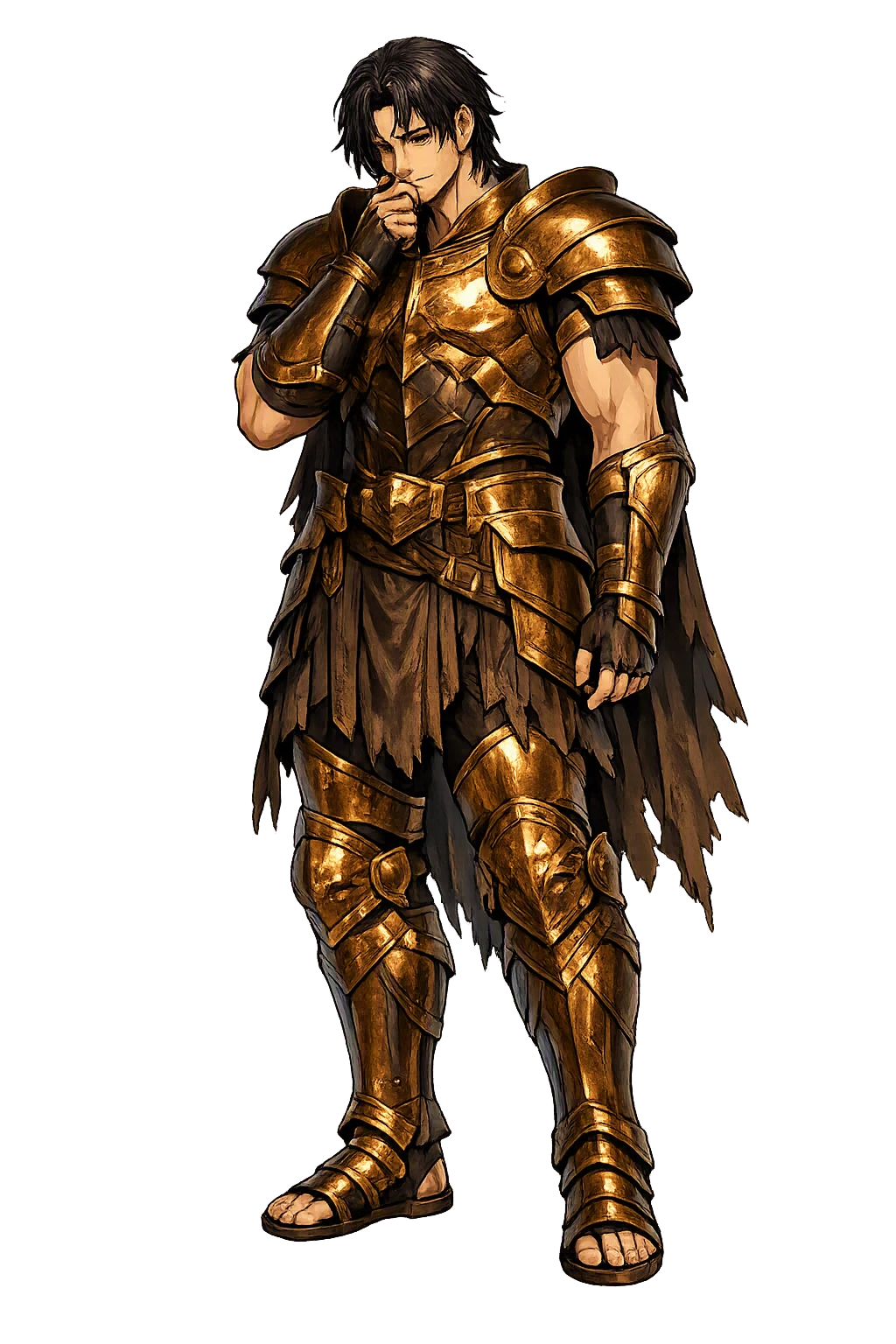
Epimētheus appears most fully in Hesiod's didactic poems and Plato's Protagoras, where he is less a hero than a caution: the type of mortal who acts first and understands later. His small cluster of myths is the Greek anatomy of hindsight.
At a Glance
- Restored name: Epimētheús
- ASCII form: epimetheus
- Meaning: "Afterthinker (from ἐπί + μῆτις)"
- Domain of influence: Afterthought, Hindsight
- Pantheon: Greek
- Classification: Tier 1
- Original script: Ἐπιμηθεύς
- Series: The Restoration Files, No. 147 of 548
The Name Before the Marks
The name is attested as Ἐπιμηθεύς, in the attestation Hesiod, Theogony 507-616 (Epimētheus, Promētheus, and the deception at Mekonē) and Hesiod, Works and Days 42-105 (Pandora and the jar of evils) give us. On the evidence, it means "Afterthinker (from ἐπί + μῆτις)".
Strip Epimētheús to epimetheus and 2 pieces of evidence vanish:
- e → ē — Eta: long epsilon: the vowel length the ASCII form cannot show.
- u → ú — Upsilon with acute: stress falls on final syllable: the stress position the ASCII form cannot show.
These are the small, provable things a restoration is made of: not taste, not branding — attestation.
Spoken, the name runs `/e.pi.mɛː́.tʰe.us/` — 'eh-pee-MAY-thay-oos' — stress falls on the long middle syllable; the final syllable is held and ends with an -oos sound.
The Temple That Stands Now
The restored name is not a plaque; it is an address. The temple of Epimētheús lives at /epimetheus/, with its mythology in the lore halls, its peer-reviewed record in the Scholarly Edition, and its place in the pattern atlas on the patterns floor.
The restoration preserves more than the ASCII form can express — stress, length, or a letter the Latin keyboard lost — which places it, mechanically, in Tier-1.
Where the Name Stood First
Epimetheus is a purely textual figure: no sanctuary, cult image, or votive inscription names him. His witnesses are the manuscripts of Hesiod and Plato, the Attic ceramic tradition that depicts Pandora and the jar, and the long afterlife of the myth in Western literature and philosophy. His absence from the archaeological record is itself informative — the Greeks personified hindsight in words, not in cult. The temple on the web is the newest of these addresses — the first one that fits in a pocket.
The Archetype at Work
The pattern atlas seats this temple in 5 industries, each match argued and weighted: Mythic Name Restoration (afterthought personified; the brother of Promētheús whose name marks the wisdom that arrives too late.); Global Pantheon Brands (the afterthinker; the acute and length mark the restored Greek form.); Mental Health & Emotional Wellness (afterthought and hindsight; the brother of forethought whose name names the reflection that follows the act.). The Resonance File reads those seats through the myths themselves.
In the Sacred Texts
The Greek tradition is not a vibe; it is a library. The Sacred Texts collection holds Theogony, Homeric Hymns, and Works and Days — the primary sources the temple's scholarship is built on. The temple is the argument; the texts are the evidence.
The File Continues
The temple's founding dispatch tells the name's story; its Resonance File reads the myths into the industries; the blog index holds the whole archive.
Continue the series — previous file: Ēōs (read it here) · next file: Érebos (read it here).
The Restoration Files are written from the same canonical record as the temples themselves: the lexicon, the lore catalog, the pattern atlas, and the cited scholarly sources. If a file ever disagrees with its temple, the temple is right — tell us, and the file will be corrected.