PuniCodex

Extended Lore

Ἐπιμηθεύς Epimētheús

Etymology · Orthography · Cult · Iconography · Reception · Sources

Tier 1 Epimētheús.com
Epimētheús — Afterthought, Hindsight
01

Quick Facts

Essential information about Epimētheús, Afterthought, Hindsight

Original ScriptἘπιμηθεύς
Unicode RestorationEpimētheús
Reconstructed Pronunciation/e.pi.mɛː́.tʰe.us/
PantheonGreek
DomainAfterthought, Hindsight
MeaningAfterthinker (from ἐπί + μῆτις)
ClassificationTier 1
Primary DomainEpimētheús.com
Sacred SymbolsThe storage-jar (pithos), Pandora, Brother pair, The forgotten warning, Ember or fading flame
02

Etymology & Word Family

From original script to Unicode restoration

Original Script Ἐπιμηθεύς Epimētheús — "Afterthinker (from ἐπί + μῆτις)"
Unicode Restoration Epimētheús Restored stress, length, and script
Modern ASCII epimetheus Plain-ASCII fallback

The name Epimētheús carries the orthographic signature of the greek tradition: Ἐπιμηθεύς. Unicode restoration recovers what ASCII flattens.

03

Unicode Character Breakdown

Character-by-character philological analysis

CharacterUnicodeNameBlockPhonetic Role
EU+0045Latin Capital Letter EBasic LatinEpsilon
pU+0070Latin Small Letter PBasic LatinPi
iU+0069Latin Small Letter IBasic LatinShort iota
mU+006DLatin Small Letter MBasic LatinMu
ēU+0113Latin Small Letter E with MacronLatin Extended-AEta: long epsilon
tU+0074Latin Small Letter TBasic LatinTau
hU+0068Latin Small Letter HBasic LatinTheta
eU+0065Latin Small Letter EBasic LatinShort epsilon
úU+00FALatin Small Letter U with AcuteLatin-1 SupplementUpsilon with acute: stress falls on final syllable
sU+0073Latin Small Letter SBasic LatinSigma

The Tier 1 classification reflects how much of the original phonology this restoration preserves — stress and vowel length for Greek names, distinctive letters and diacritics for every other tradition.

04

Cult & Worship

How the sacred was kept — rites, sanctuaries, remains

The Cult

No cult of Epimētheus is attested — no sanctuary, festival, priest, or votive anywhere in the Greek world. He was a figure of poetry and philosophy, not of worship: Hesiod (Works and Days 42–105) and Plato's Protagoras (320c–322d) are his only substantial ancient witnesses, and both treat him as an idea with a name. What the record preserves is not ritual but reflection: the Greeks honoured forethought with altars and left afterthought to the lesson it teaches.

In the Earth

Epimetheus is a purely textual figure: no sanctuary, cult image, or votive inscription names him. His witnesses are the manuscripts of Hesiod and Plato, the Attic ceramic tradition that depicts Pandora and the jar, and the long afterlife of the myth in Western literature and philosophy. His absence from the archaeological record is itself informative — the Greeks personified hindsight in words, not in cult.

05

Iconography

How Epimētheús was imaged across the ages

The Image

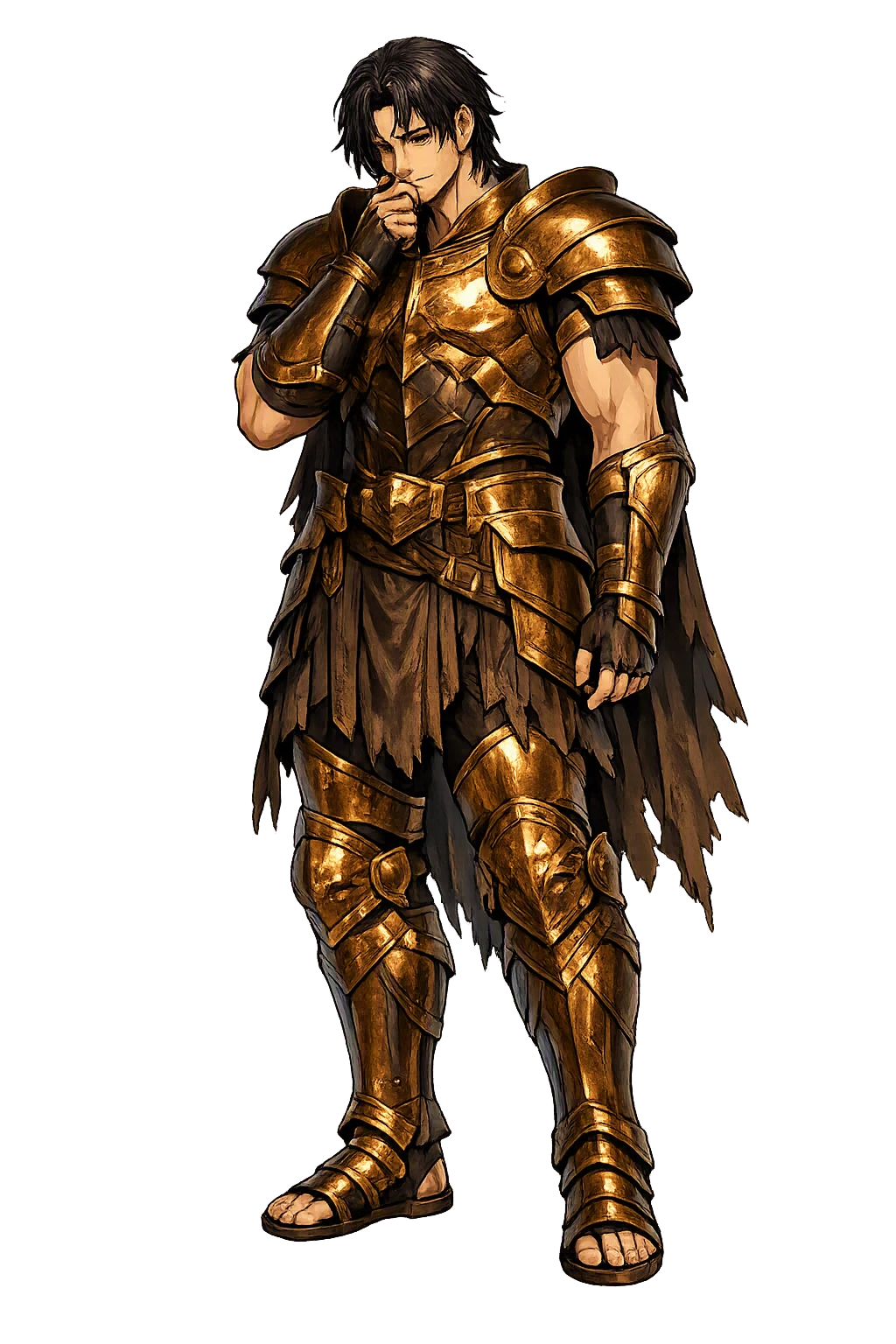
Epimētheus has no independent image in surviving art — the Greeks pictured his story, not his person. Attic and South Italian vase painters of the fifth and fourth centuries BCE show what his name set in motion: Pandora rising from the earth, decked by Athena and Hephaistos, or stepping toward the husband who will not refuse her, with some scenes naming him beside her in inscriptions. His attribute is the household storage-jar, the pithos, that Hesiod says he lifted and tipped — the vessel later ages, helped by Erasmus's Latin pyxis, misremembered as a box. Otherwise he exists in these scenes only by family resemblance: the listening, empty-handed brother among the maker-gods, the figure who does nothing and thereby does everything.

06

Reception & Transformation

The name after its own age — transmission, translation, survival

Afterlives

Epimētheus's afterlife is the biography of a text. Hesiod's Works and Days rode papyrus and Byzantine manuscripts into print at Milan around 1493, and Erasmus's sixteenth-century Latin rendering gave the jar as pyxis — a box — the single word-choice behind the whole world's 'Pandora's box.' Plato's Protagoras gave him a second career as philosophy's stock figure of the man equipped with nothing but hindsight, a reading the later Platonists and the mythographers — Apollodorus 1.7.2, Hyginus Fabulae 142–143 — carried down to the Renaissance. Goethe returned to the family with his unfinished Pandora drama of 1807–08, and in the twentieth century Bernard Stiegler built the first volume of Technics and Time on the brothers' fable, reading the Epimēthean fault as the origin of the human technical condition. A god nobody worshipped became a concept nobody can escape.

Identifications Across Traditions

Epimētheus has no Roman cult or foreign double; his afterlife is philosophical and literary. The Platonic Protagoras retells the distribution of qualities as a lesson in human lack and compensation, and later Platonists read the two brothers as faculties of the soul. Renaissance and Enlightenment writers used him as an emblem of impulsive judgment, and modern risk theory borrows his name for the habit of acting before consequences are understood — 'epimethean' thinking. His closest mythic kin is his own brother: Promētheus is the crime, Epimētheus is the regret, and the Greek tradition keeps them chained to each other as tightly as the Titan to his rock.

Modern Legacy

Epimētheus survives in the language of hindsight. Every proverb about looking before leaping, every warning against opening Pandora's box, every discussion of unintended consequences rehearses his story. In cognitive science and economics, 'epimethean' thinking names the backward glance that reorganizes judgment after the fact — the post-mortem, the audit, the lesson learned. The jar he opened cannot be closed, but Hope remains inside it, and second thoughts, which are his true gift to mortals, are the beginning of conscience. The restoration Epimētheus keeps the Greek stress and length that mark him as the necessary twin of forethought.

07

The Meditation

What Epimētheús means — beyond the dictionary

Epimētheus is the god every human being meets in the small hours. He is the one who says, 'If only I had known,' the one who understands the warning only after the jar is open. His myth is not an invitation to despise him but to recognize him: we are all, at some moment, the afterthinker. The jar he opened cannot be closed, but Hope remains inside it — not as a remedy, but as the thing that makes the next opening possible.

To meditate on Epimētheus is to meditate on the irreversibility of choice. His name means afterthought, and afterthought is where wisdom is born, always too late for the mistake that fathered it. Yet without it there would be no learning, no regret, no change of mind. He is the patron of second thoughts, and second thoughts are the beginning of conscience.

08

Frequently Asked Questions

Common questions about Epimētheús, Afterthought, Hindsight, and Unicode restoration

01How do you pronounce Epimētheús?

In reconstructed pronunciation, Epimētheús is /e.pi.mɛː́.tʰe.us/ — approximately 'eh-pee-MAY-thay-oos' — stress falls on the long middle syllable; the final syllable is held and ends with an -oos sound.

02What does Epimētheús mean?

Epimētheús means Afterthinker (from ἐπί + μῆτις) in the greek tradition.

03What are the symbols of Epimētheús?

Epimētheús is associated with The storage-jar (pithos) (The household vessel from which every human ill escaped, and in which Hope alone remained — a kitchen jar, which is precisely Hesiod's bitter point), Pandora (The crafted gift he accepted, embodying both allure and consequence — a 'beautiful evil' sent by Zeus), Brother pair (Forethought and afterthought as two sides of mortal decision: Promētheus sees ahead, Epimētheus sees behind), The forgotten warning (The advice he received and could not keep — the emblem of every precaution remembered after the door has opened), Ember or fading flame (The aftermath of Promētheus's fire — the heat that remains when the moment of choice has passed).

04Why restore Epimētheús in Unicode?

Plain ASCII epimetheus strips the stress, length, and script that make the name specific. Unicode restoration returns the name to its original written dignity.

05What is the most important myth about Epimētheús?

“The Brother Given the Job” — the The Task story that anchors the mythology of Epimētheús, told in full on the lore page.

09

Scholarly Sources

The philological foundations of this restoration

Every claim on this page is grounded in established scholarship. The orthographic restorations follow disciplinary convention. The etymological chain follows the best available reference works. This is not invention — it is resurrection through scholarship.

◈

Lexicography & Philology

  • Liddell, H. G., Scott, R., & Jones, H. S. A Greek-English Lexicon. Oxford: Clarendon Press, 9th ed. 1996.
  • Pape, W., & Benseler, G. E. Wörterbuch der griechischen Eigennamen. Braunschweig: Vieweg, 1884.
  • Beekes, R. S. P. Etymological Dictionary of Greek. Leiden: Brill, 2010.
◎

Primary Texts

  • Hesiod, Theogony 507-616 (Epimētheus, Promētheus, and the deception at Mekonē)
  • Hesiod, Works and Days 42-105 (Pandora and the jar of evils)
  • Plato, Protagoras 320c-322d (the distribution of qualities and the origin of the arts)
  • Apollodorus, Library 1.7.2
◉

Archaeology & Art History

  • Material evidence — iconography, inscriptions, and temple archaeology — for Epimētheús and related cults.
✦

Religious Studies

  • Hyginus, Fabulae 142-143
  • Beekes, Etymological Dictionary of Greek, s.v. Epimētheus
Return

The Surface Awaits

You have traced the name from its earliest attestation to its Unicode restoration. Now return to the myth. The story is where the name lives.

Back to Lore
Epimētheús mascot