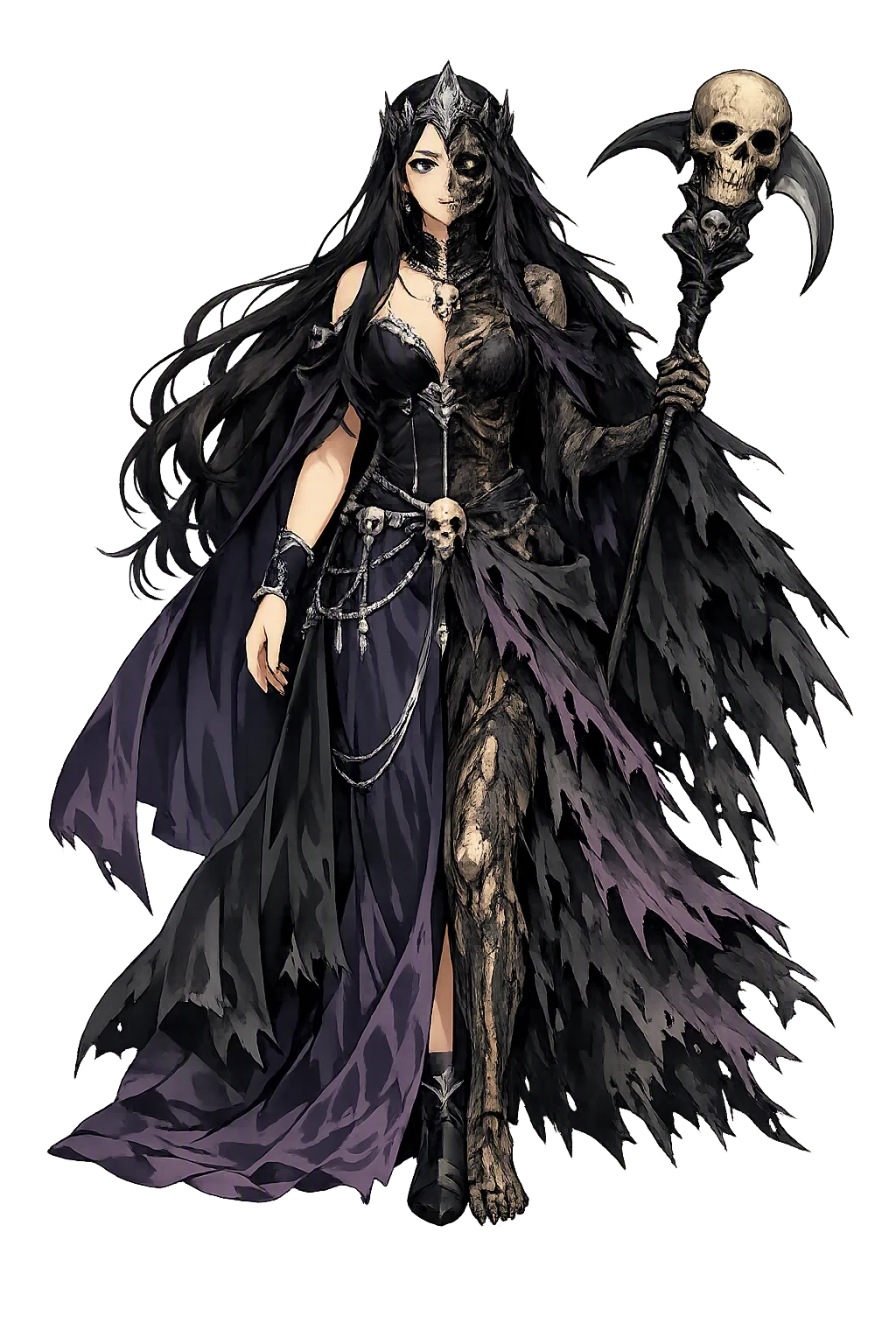
PUNICODEX entry for
Thirteen frames. One temple. Become a patron.
Say it right
HEHL
/ˈhel/ Derived from restored orthography (Old Norse)
Old Norse stress always falls on the first syllable.
Derived by the PuniCodex pronunciation engine — method at The Pronunciation Standard.
Banners at 1200 × 400 px · Boxes at 600 × 600 px · Prices scale by temple tier
Reserved for a single sponsor that shares the spirit of Death, Underworld, Souls. The Full-Page Takeover unlocks all thirteen frames — every banner and every box — as one cohesive presence. It only appears while no individual space is occupied, and every application is manually reviewed.
A curated presence, not a checkout lane — and three deliverables that make it worth more than the frames themselves.
Your dashboard shows impressions, click-through, and audience movement in real time. Every quarter, a full analytics report breaks down who saw your brand, where they came from, and how it performed against this temple's traffic.
Every quarter, The Unicode Herald — our virtual and physical newspaper — features sponsors temple by temple with professionally written profiles. Your brand, presented with the scholarship of the temple it stands beside, in print and online.
Placement across kindred temples in the same tradition, plus the student-creative marketplace: universities supply student designers and writers, sponsors gain a talent pipeline, and students gain a head start on their careers with the brands they serve.
