
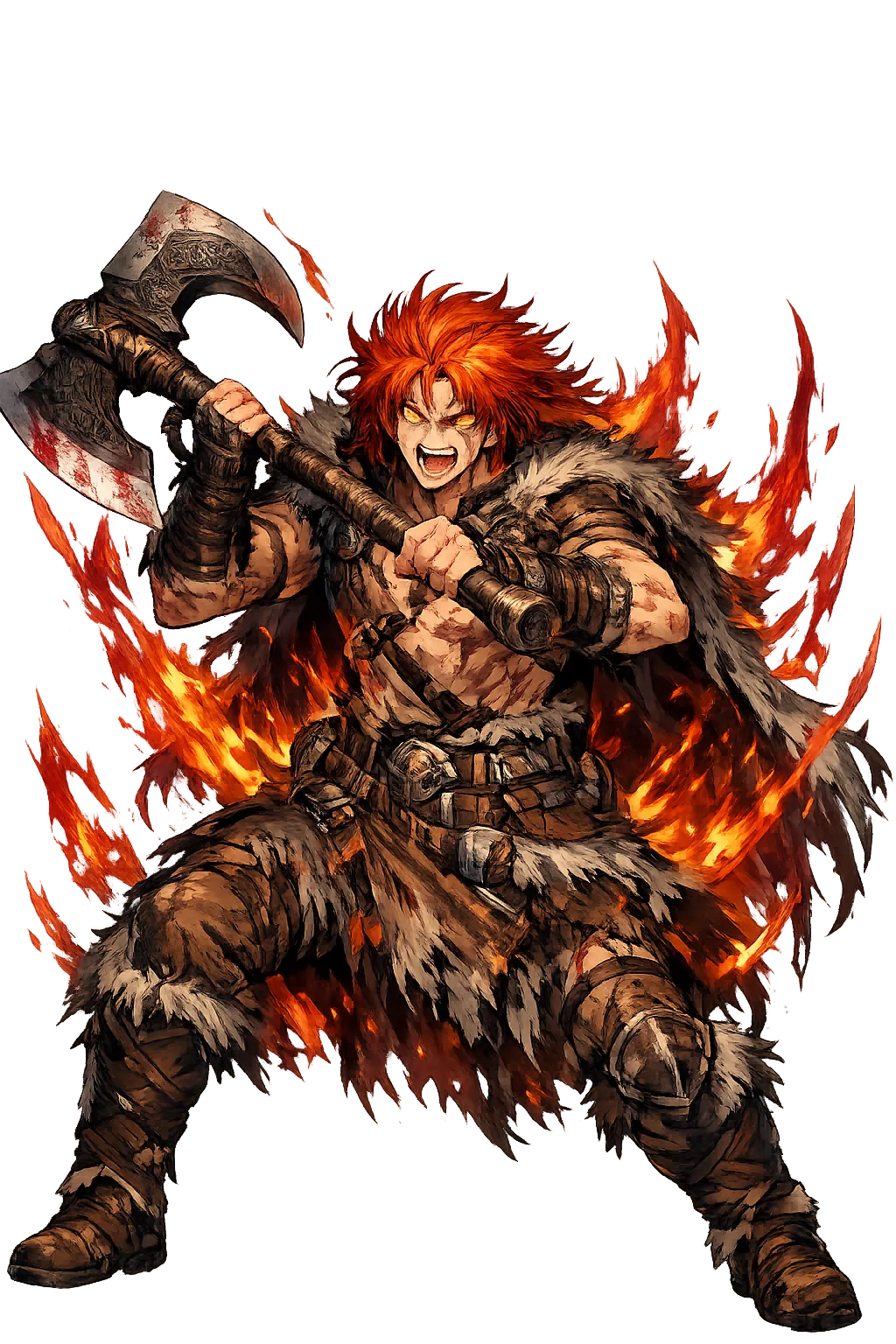
The appointments Móði made — and who is keeping them
The mistake is reading myths as entertainment. Móði's cycle reads more like a charter — each story assigning a duty the modern world still pays for.
At a Glance
- Temple: Móði
- Pantheon: Norse
- Domain of influence: Wrath, Son of Thor
- Pattern seats: 4
- Sectors touched: Commerce & Governance
- Strongest seat: Defense, Military & Security
- Series: The Resonance Files, No. 317 of 546
The Cycle, Read Forward
Defense, Military & Security — through The Sons Who Survive
The eddic poem Vafþrúðnismál asks the question every Norse listener cared about: who lives when the fire dies? Óðinn, disguised as Gagnráðr, puts it to the all-wise giant: what of the gods survives Surtr's flames?
The atlas states the seat in one line: Wrath embodied; the son who inherits the hammer and the fight. The story above is the long version of the same sentence. Industries do not invent their archetypes; they inherit them and call them best practice.
Disaster Resilience & Recovery — through The Lifting of Hrungnir
After Þórr kills the giant Hrungnir in single combat at the ford, the giant's corpse falls across him, one leg pinning the thunder-god's neck to the ground. The Æsir tug and heave in vain; none can shift the dead weight.
The atlas states the seat in one line: He survives Ragnarök and inherits Mjöllnir; continuity after the end of everything. The story above is the long version of the same sentence. That is the cycle working: story becomes duty, duty becomes trade.
Ancestry & Heritage Services — through The Children of Þórr
Snorri lists Þórr's children across his Edda, naming Móði and Magni as Þórr's sons by Járnsaxa, one of the giantesses (Gylfaginning; Skáldskaparmál 14), with the daughter Þrúðr among the children of Sif. Their names are the point: Mag-ni, 'Might,' and Mó-ði, 'Wrath' — the two halves of the thunder-god's power personified as an inheritance.
The atlas states the seat in one line: Through him Þórr's line does not end in the serpent's venom; the bloodline carried forward. The story above is the long version of the same sentence. That is the cycle working: story becomes duty, duty becomes trade.
Leadership, Governance & Public Administration — through The Kennings Keep the Name
Most of what can be said about Móði comes not from stories but from the skalds' grammar. Snorri's Skáldskaparmál (ch.
The atlas states the seat in one line: The heir who takes up his father's hammer; succession as the thunder's doctrine. The story above is the long version of the same sentence. That is the cycle working: story becomes duty, duty becomes trade.
The Theme That Runs the Cycle
Móði is not a god of independent myths. His entire dossier is a handful of verses: his name in a list of survivors, his place in a genealogy, and the skalds' habit of naming Þórr as his father. His significance lies in what he represents — the wrath that inherits the hammer — and in what his survival promises after Ragnarök.
The Method, Stated Plainly
Skeptical? Good — the system is built for you. Every seat in this file carries its why-line and its weight, the full derivation is public at the methodology page, and the challenge process is part of the design. Falsifiable is not a posture here; it is the mechanism.
For the Ones Who Work There
If you work in defense, military & security, disaster resilience & recovery, or any trade this temple holds a seat in, this is the honest version of what a placement means: your industry beside the story it has been re-telling all along — on the temple floor itself, before an audience that came specifically to read it. The patron tier and the advertising terms describe the mechanics; the resonance above describes the fit.
The File Continues
One of 546 Resonance Files — the series where the pantheon goes to work. Read the founding dispatch for the name, the Restoration File for the spelling, or the whole archive end to end.
Continue the series — previous: Mnēmosýnē (read it) · next: Moirai (read it).
The Resonance Files are argued from the same canonical record as the pattern atlas itself: the lexicon, the lore catalog, and the cited sources. Every seat can be challenged at the methodology page — and the challenge is the point.