
The appointments Baldr made — and who is keeping them
The mistake is reading myths as entertainment. Baldr's cycle reads more like a charter — each story assigning a duty the modern world still pays for.
At a Glance
- Temple: Baldr
- Pantheon: Norse
- Domain of influence: Light, Beauty, Purity
- Pattern seats: 3
- Sectors touched: Home & Lifestyle · Society & Spirit · Culture & Entertainment
- Strongest seat: Beauty, Fashion & Cosmetics
- Series: The Resonance Files, No. 78 of 548
The Cycle, Read Forward
Beauty, Fashion & Cosmetics — through The Best and Fairest
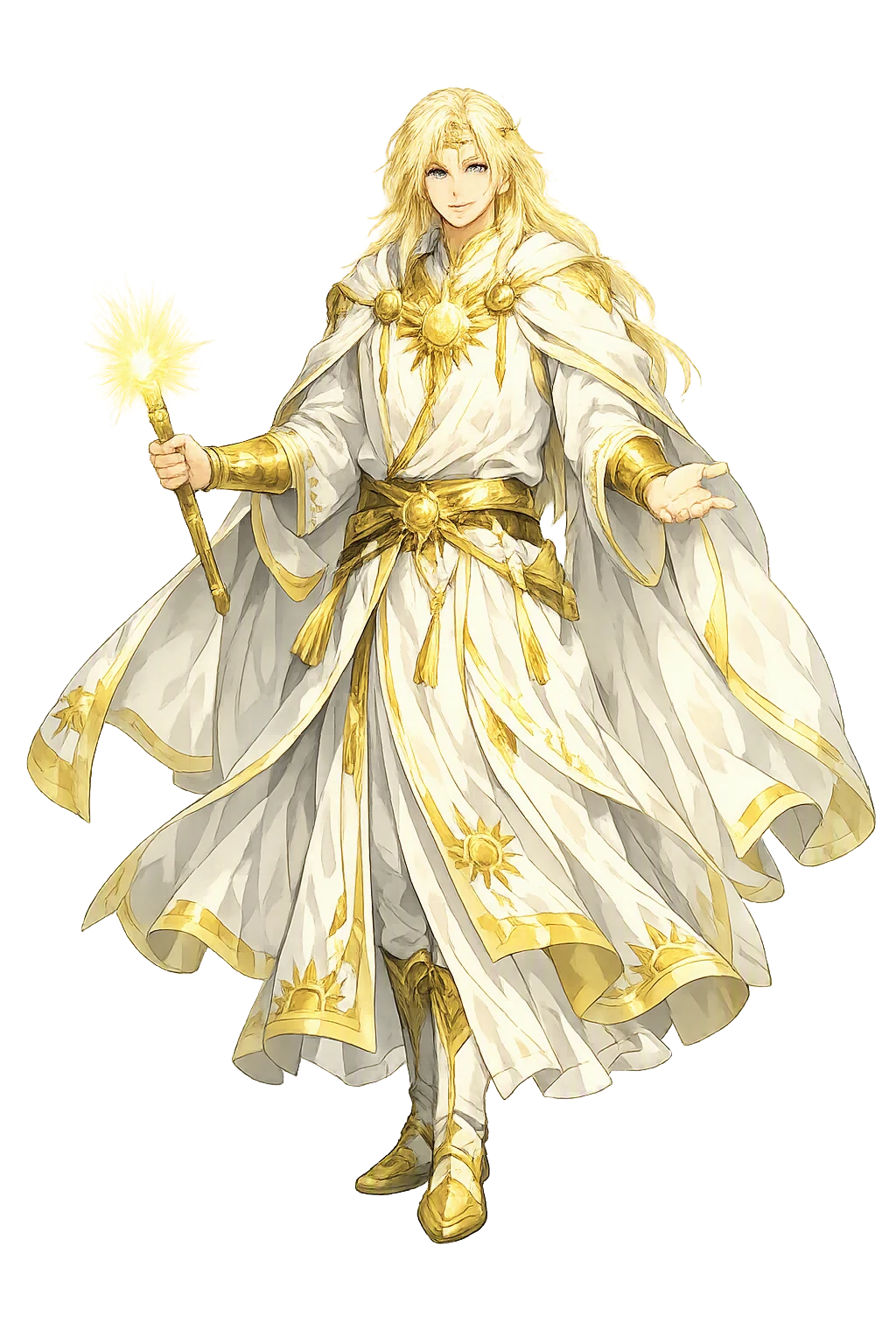
Snorri introduces him in the catalogue of the Æsir with a formula the tradition never varies: Baldr the Good, second son of Óðinn, and 'he is the best, and all praise him'. He is so fair of face and bright that a splendour radiates from him, and one plant is so white that it takes its name from his eyelash — baldrs brá, the daisy, whitest of all plants.
The atlas states the seat in one line: The Snorri formula: the fairest of the Æsir, so bright that light streams from him — beauty as divine attribute. The story above is the long version of the same sentence. The trade thinks it is optimizing a process. It is re-enacting a charter.
Funerary & Memorial Services — through The Dreams and the Prophecy
It begins with dreams. Baldr dreams baleful dreams for his life, and the Æsir take counsel.
The atlas states the seat in one line: Hringhorni — the ship-funeral of the gods, the most famous burial in Norse myth, pyre lit on the deck of the greatest of ships. The story above is the long version of the same sentence. That is the cycle working: story becomes duty, duty becomes trade.
Optics, Imaging & Vision — through The Oath and the Mistletoe
Frigg takes the foreseen answer and fights it: she travels the world and exacts an oath from all things — fire and water, iron and every metal, stones, earth, trees, sicknesses, beasts, birds, poison, serpents — that they will not harm Baldr. Only the mistletoe, growing west of Valhǫll, seemed too young to demand the oath of.
The atlas states the seat in one line: The shining one — light itself is said to stream from his face; the luminous god of the northern pantheon. The story above is the long version of the same sentence. Industries do not invent their archetypes; they inherit them and call them best practice.
The Theme That Runs the Cycle
Baldr has the thinnest dossier and the heaviest role of any god in the Edda: he acts in almost nothing, and his death sets everything in motion. The sources agree on the shape — the dreams, the oath, the mistletoe, the blind brother's throw, the burning ship, the failed ransom, the promised return — and almost nothing else about him survives at all.
The Method, Stated Plainly
Skeptical? Good — the system is built for you. Every seat in this file carries its why-line and its weight, the full derivation is public at the methodology page, and the challenge process is part of the design. Falsifiable is not a posture here; it is the mechanism.
For the Ones Who Work There
If you work in beauty, fashion & cosmetics, funerary & memorial services, or any trade this temple holds a seat in, this is the honest version of what a placement means: your industry beside the story it has been re-telling all along — on the temple floor itself, before an audience that came specifically to read it. The patron tier and the advertising terms describe the mechanics; the resonance above describes the fit.
The File Continues
One of 548 Resonance Files — the series where the pantheon goes to work. Read the founding dispatch for the name, the Restoration File for the spelling, or the whole archive end to end.
Continue the series — previous: Baiame (read it) · next: Balor (read it).
The Resonance Files are argued from the same canonical record as the pattern atlas itself: the lexicon, the lore catalog, and the cited sources. Every seat can be challenged at the methodology page — and the challenge is the point.