
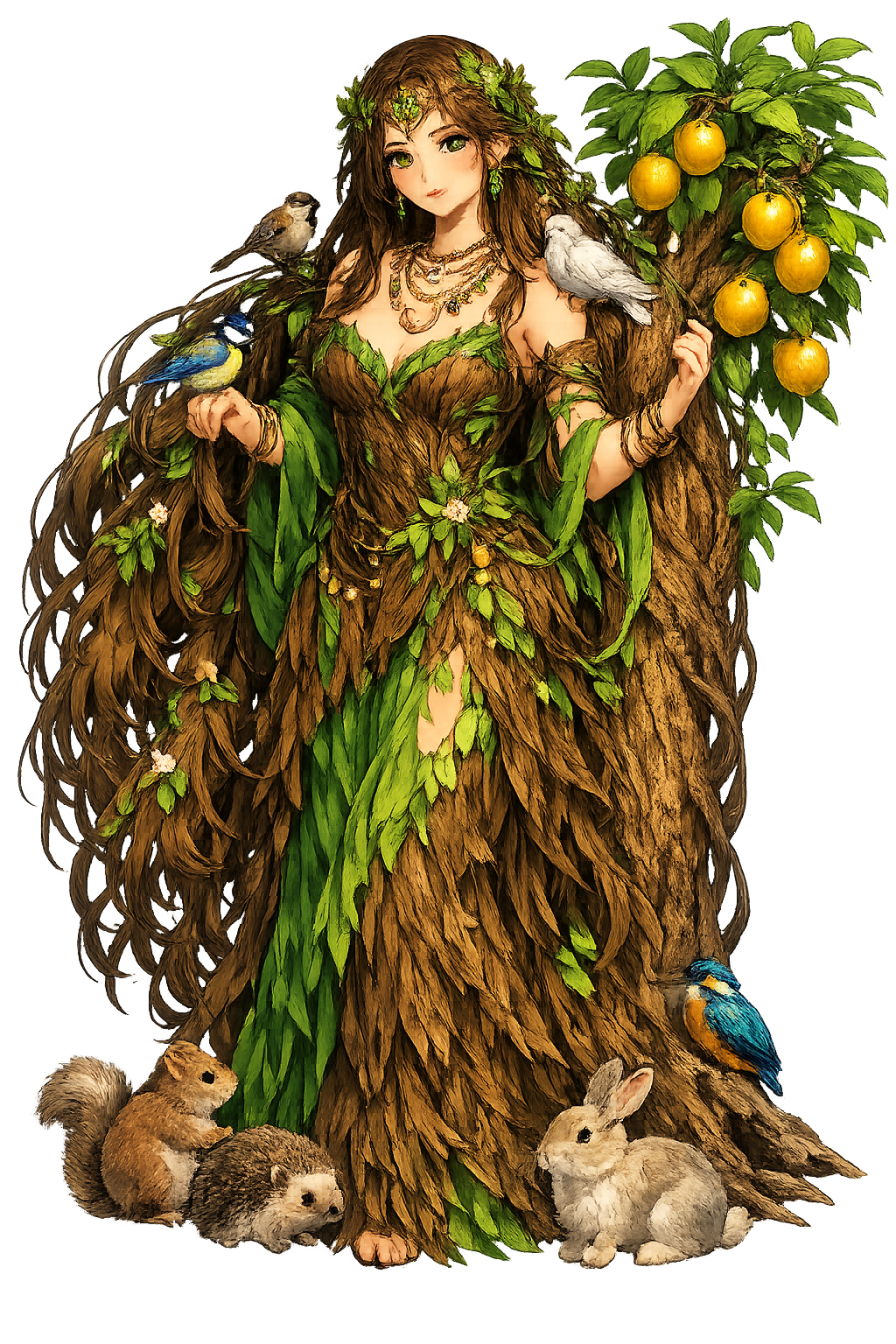
The appointments Ašeratu made — and who is keeping them
Take Ašeratu's stories in sequence. They are not episodes; they are appointments — and the modern trades are keeping them.
At a Glance
- Temple: Ašeratu
- Pantheon: Phoenician
- Domain of influence: Sea, Mother Goddess
- Pattern seats: 4
- Sectors touched: Energy & Natural World · Health & Wellbeing · Home & Lifestyle
- Strongest seat: Maritime, Shipping & Ocean Industries
- Series: The Resonance Files, No. 56 of 546
The Cycle, Read Forward
Maritime, Shipping & Ocean Industries — through The Queen Mother's Journey
In KTU 1. 4, Baꜥal longs for a palace but cannot win Ēl's approval directly.
The atlas states the seat in one line: She who treads on the sea — the maritime goddess of Phoenician sailors. The story above is the long version of the same sentence. Industries do not invent their archetypes; they inherit them and call them best practice.
Women's Health & Femtech — through Creatress of the Gods
Ašeratu is repeatedly called qnyt ʾilm, 'Creatress of the Gods' (KTU 1. 3 v 25–26; 1.
The atlas states the seat in one line: Reclaimed as the sacred feminine suppressed by later monotheism; the goddess recovered. The story above is the long version of the same sentence. The trade thinks it is optimizing a process. It is re-enacting a charter.
Textiles, Weaving & Networks — through Nurse of the Divine
In KTU 1. 23, the 'Birth of the Gracious Gods,' Ašeratu stands behind a sacred-marriage and birth narrative in which the newborn gods — the gracious ones, the princely ones — are suckled and nourished, and the text joins her nursing to the fruitfulness of flocks, wombs, and fields.
The atlas states the seat in one line: The spindle in Ugaritic and Hittite iconography; feminine labor as cosmic order. The story above is the long version of the same sentence. The trade thinks it is optimizing a process. It is re-enacting a charter.
Wedding, Family & Maternity — through Treader of the Sea
Her title 'Lady Ašeratu of the Sea' (rbt ʾaṯrt ym) has been read two ways, and the sources let us keep both. If ym is 'sea', she is the one who treads the waters — the Mediterranean that fed Ugarit's fishing fleets, the cosmic deep that the storm-god must split with his club.
The atlas states the seat in one line: Creatrix and nurse of the gods; the mother who intercedes for her children. The story above is the long version of the same sentence. That is the cycle working: story becomes duty, duty becomes trade.
The Theme That Runs the Cycle
Ašeratu's mythology is the mythology of influence. She does not fight; she intercedes. Her journeys to Ēl's tent, her titles as creatrix and nurse, and her treading of the sea all mark her as the figure who turns raw divine power into ordered legitimacy.
The Method, Stated Plainly
None of this is numerology. A seat exists only where the match can be argued from the deity’s documented domains and deeds — weighted, published, and falsifiable. The derivation, the weights, and the challenge process are public on the methodology page. If a seat in this file reads wrong, the atlas itself tells you how to prove it — and the correction becomes part of the record.
For the Ones Who Work There
If you work in maritime, shipping & ocean industries, women's health & femtech, or any trade this temple holds a seat in, this is the honest version of what a placement means: your industry beside the story it has been re-telling all along — on the temple floor itself, before an audience that came specifically to read it. The patron tier and the advertising terms describe the mechanics; the resonance above describes the fit.
The File Continues
One of 546 Resonance Files — the series where the pantheon goes to work. Read the founding dispatch for the name, the Restoration File for the spelling, or the whole archive end to end.
Continue the series — previous: Asanga (read it) · next: Ašavahišta (read it).
The Resonance Files are argued from the same canonical record as the pattern atlas itself: the lexicon, the lore catalog, and the cited sources. Every seat can be challenged at the methodology page — and the challenge is the point.