PuniCodex

Extended Lore

少彦名神 Sukunahikona

Etymology · Phonology · Orthography · Cultural Legacy · Primary Sources

Tier 2 Sukunahikona
Sukunahikona — Healing, Sake, Smallpox
01

Quick Facts

Essential information about Sukunahikona, Healing, Sake, Smallpox

Original Script少彦名神
Unicode RestorationSukunahikona
Reconstructed Pronunciation/sɯ.kɯ.na.hi.ko.na/
PantheonJapanese
DomainHealing, Sake, Smallpox
MeaningRenowned little prince
ClassificationTier 2
Primary DomainSukunahikona
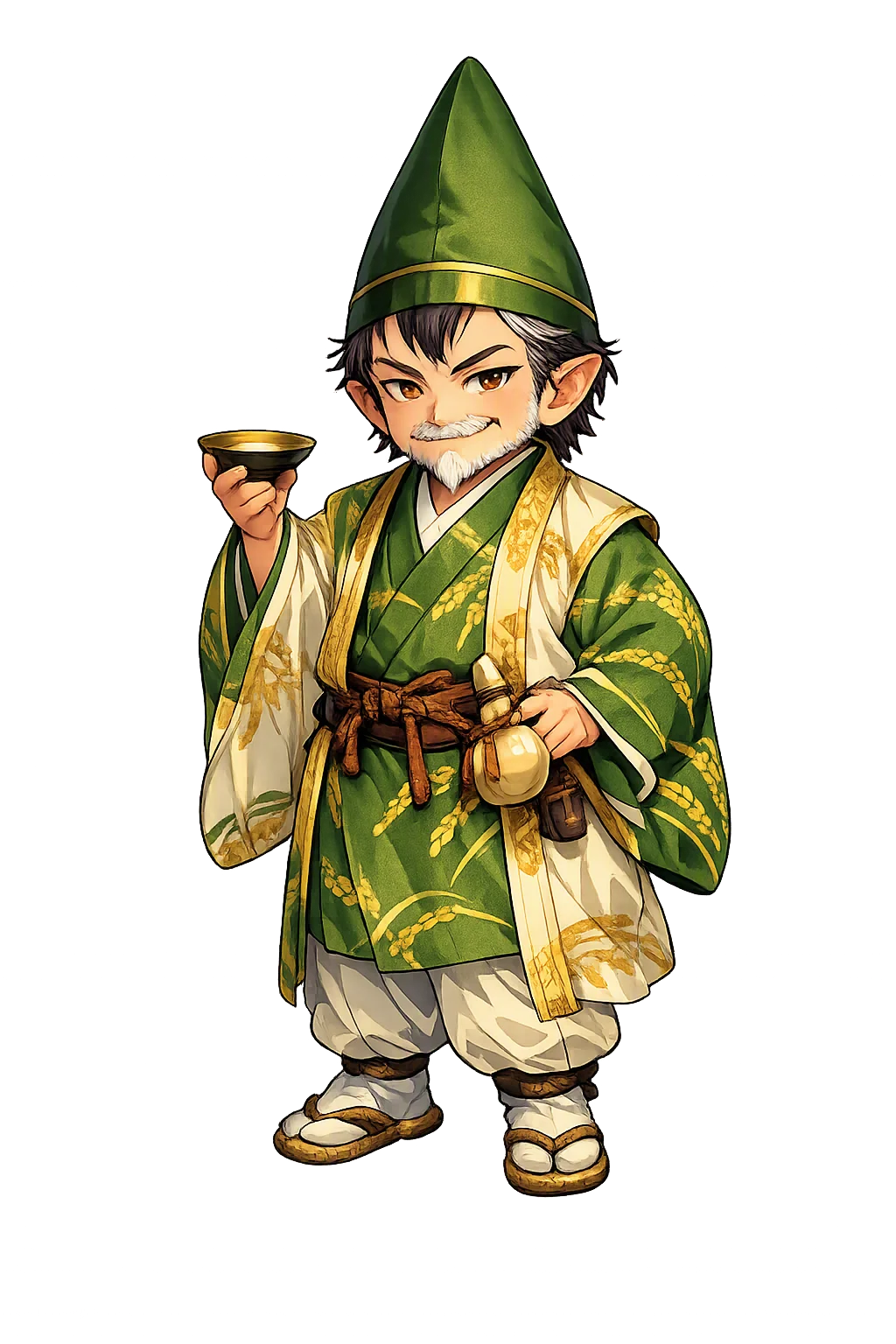
Sacred SymbolsBark boat, Sake jar, Medicine, Small stature
02

Etymology & Word Family

From original script to Unicode restoration

Original Script 少彦名神 Sukunahikona — "Renowned little prince"
Unicode Restoration Sukunahikona Restored stress, length, and script
Modern ASCII sukunahikona Plain-ASCII fallback

Sukunahikona is Tier 2: plain Hepburn. He is a small but powerful kami who assisted Ōkuninushi in shaping the land.

03

Unicode Character Breakdown

Character-by-character philological analysis

CharacterUnicodeNameBlockPhonetic Role
SU+0053Latin Capital Letter SBasic LatinSame, capitalized
uU+0075Latin Small Letter UBasic LatinSame
kU+006BLatin Small Letter KBasic LatinSame
uU+0075Latin Small Letter UBasic LatinSame
nU+006ELatin Small Letter NBasic LatinSame
aU+0061Latin Small Letter ABasic LatinSame
hU+0068Latin Small Letter HBasic LatinSame
iU+0069Latin Small Letter IBasic LatinSame
kU+006BLatin Small Letter KBasic LatinSame
oU+006FLatin Small Letter OBasic LatinSame
nU+006ELatin Small Letter NBasic LatinSame
aU+0061Latin Small Letter ABasic LatinSame

The Tier 2 classification reflects how much of the original phonology this restoration preserves — stress and vowel length for Greek names, distinctive letters and diacritics for every other tradition.

04

Cultural Significance

From ancient cult to modern Unicode

Ancient Domain

Sukunahikona is a tiny kami with enormous power. Floating to Japan in a boat of bark, he met Ōkuninushi and helped him pacify and cultivate the land. He taught the arts of healing and sake-making, and he became a protector against smallpox and illness. His small size makes him a deity of the overlooked and the underestimated.

Sukunahikona in Later Traditions

Sukunahikona overlaps with healing deities, sake-brewing kami, and the folklore of tiny spiritual beings. His partnership with Ōkuninushi mirrors other divine helper figures across Eurasia, but his specific role as a healer and brewer is distinctively Japanese.

Modern Legacy

Sukunahikona is venerated at shrines associated with healing and sake brewing. His story remains a favorite in retellings of Japanese myth, and his image as a tiny but mighty deity resonates in a culture that values subtle strength.

Unicode Restoration as Cultural Act

Restoring Sukunahikona in a domain name is more than orthographic accuracy. It is a statement that the internet should recognize the full range of human writing — not only the ASCII keyboard.

05

Frequently Asked Questions

Common questions about Sukunahikona, Healing, Sake, Smallpox, and Unicode restoration

01How do you pronounce Sukunahikona?

In reconstructed pronunciation, Sukunahikona is /sɯ.kɯ.na.hi.ko.na/ — approximately 'SOO-koo-nah-hee-koh-nah' — light, even syllables; the final vowels are soft..

02What does Sukunahikona mean?

Sukunahikona means Renowned little prince in the japanese tradition.

03What are the symbols of Sukunahikona?

Sukunahikona is associated with Bark boat (The tiny vessel in which he arrived from across the sea), Sake jar (His gift of brewing to humanity), Medicine (His role as a healer, especially against smallpox), Small stature (The sign that great power can come in small forms).

04Why restore Sukunahikona in Unicode?

Plain ASCII sukunahikona strips the stress, length, and script that make the name specific. Unicode restoration returns the name to its original written dignity.

05What is the most important myth about Sukunahikona?

Sukunahikona arrived in Japan from the land of Tokoyo in a boat made of bark. He met Ōkuninushi, who recognized his power despite his small size. Together they traveled the land, pacifying spirits, establishing boundaries, and making the world fit for human habitation.

06

Scholarly Sources

The philological foundations of this restoration

Every claim on this page is grounded in established scholarship. The orthographic restorations follow disciplinary convention. The etymological chain follows the best available reference works. This is not invention — it is resurrection through scholarship.

Lexicography & Philology

  • Kojiki
  • Nihon Shoki

Primary Texts

  • Kojiki (Sukunahikona episodes)
  • Nihon Shoki (parallel account)
  • Philippi, Kojiki

Archaeology & Art History

  • Material evidence — iconography, inscriptions, and temple archaeology — for Sukunahikona and related cults.
  • Sukunahikona has no major independent archaeological site. His cult is preserved in shrines associated with Ōkuninushi and with healing, as well as in the textual record of the Kojiki.

Religious Studies

  • Comparative studies of japanese religion and the place of Sukunahikona within it.
Return

The Surface Awaits

You have traced the name from its earliest attestation to its Unicode restoration. Now return to the myth. The story is where the name lives.

Back to Lore
Sukunahikona mascot