
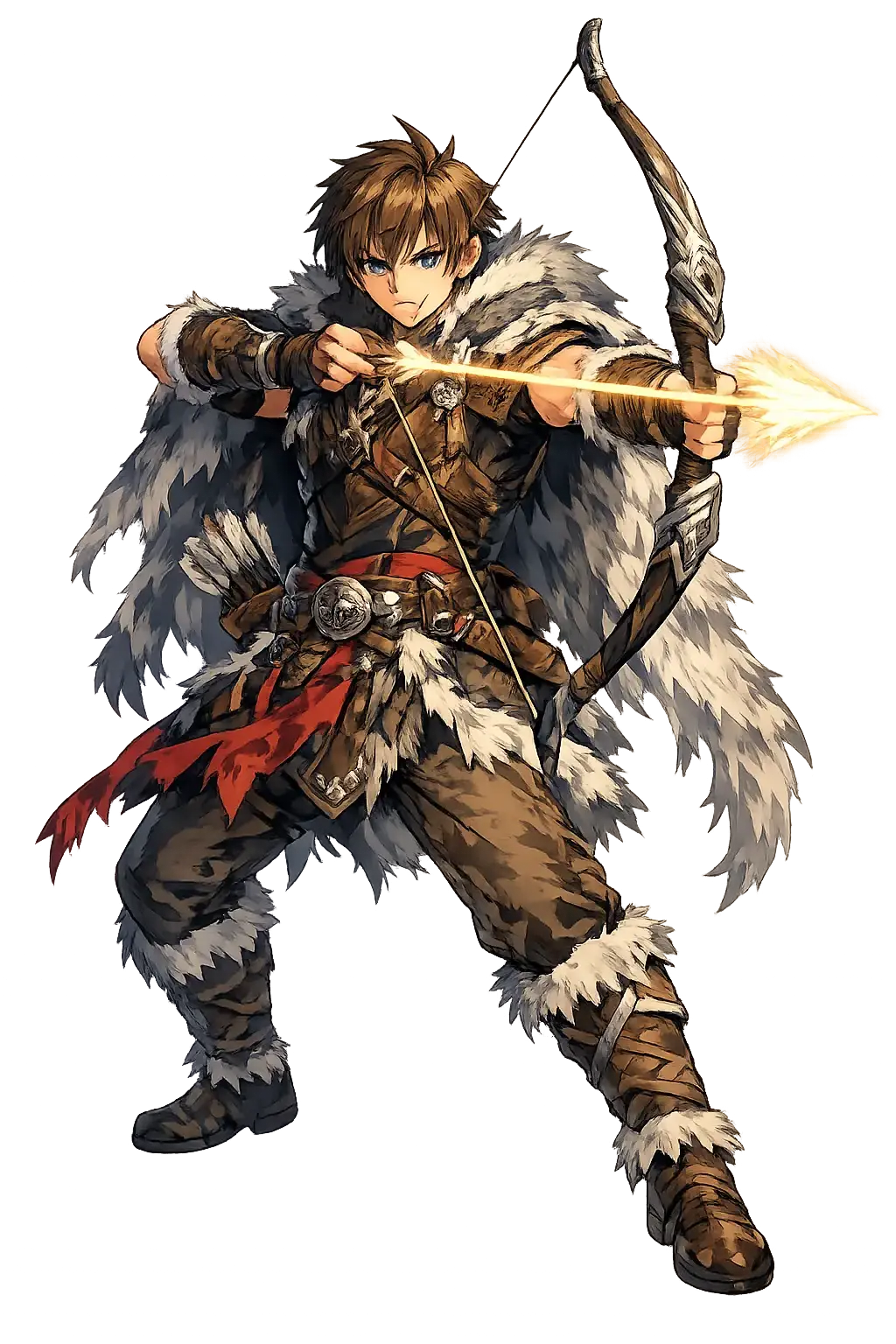
The provenance file on Váli
Catalogue entry — Váli. Every claim below carries its chain of custody.
Provenance
1. The attestation. ᚢᛅᛚᛁ, from the tradition's own record. On record: Poetic Edda, Völuspá, Poetic Edda, Baldrs draumar, Snorri Sturluson, Prose Edda, Cleasby-Vigfusson, Icelandic Dictionary.
2. The preserved evidence. a → á (Stress on a) — absent from the ASCII form vali, present in the restoration, verifiable against the sources above.
3. The narrative record. Born for Vengeance — After Baldr is slain, the gods cannot simply kill Höðr, for he is one of their own and acted in blindness. Óðinn therefore fathers Váli on Rindr, a reluctant giantess. The Binding of Loki — When Loki flees Asgard after engineering Baldr's death, the gods capture him in a riverside house. They seize his sons Váli and Nari (or Narfi): Váli is turned into a wolf and tears his own brother Nari apart, and the Æsir bind Loki with Nari's entrails to three stones beneath the earth (Gylfaginning 50).
4. The current holding. The temple at /sites/vali/, classified Tier 1. What survives here cannot be shown in ASCII: a feature of the original that the fallback alphabet flattens. That is the Tier-1 test, and this name passes it without argument.
5. The documented resonances. Legal, Justice & Compliance, Defense, Military & Security, Disaster Resilience & Recovery — seats argued and weighted in the pattern atlas, read through the myths in this temple's Resonance File.
6. The primary sources. Poetic Edda, Prose Edda — the library this file answers to, open at the Sacred Texts collection.
7. The continuing record. Váli remains a minor but haunting figure in modern retellings of Norse myth. He embodies the idea that some violence is inescapable, that vengeance can be both righteous and tragic.
At a Glance
- Restored name: Váli
- ASCII form: vali
- Meaning: "The chosen"
- Domain of influence: Vengeance, Son of Odin
- Pantheon: Norse
- Classification: Tier 1
- Original script: ᚢᛅᛚᛁ
- Series: The Restoration Files, No. 257 of 271
The Emblems
The name does not travel alone. Bow — The weapon with which he avenges Baldr.; Mistletoe — The plant that killed Baldr and set Váli's vengeance in motion.; Wolf — Loki's son Váli is transformed into a wolf to tear his brother Nari (Narfi) — a namesake of Óðinn's son.. Each emblem is filed in the temple's record with its own provenance, the same discipline the spelling gets.
For the Voice
'WAH-lee' — begin with a 'w' as in 'water', hold the 'ah' long, and end with a light 'lee'. The reconstructed line runs `/ˈwɑːli/` — the temple's pronunciation atlas carries the phonemes one by one.
The Discipline It Answers To
This restoration belongs to Norse, a tradition that wrote its endings down in advance and sang them anyway. The rules that govern it are not house style; they are the tradition's own scholarship, applied with the same care here as in any edition — and published, with the sources, so the file can be checked the way an edition can be checked. What survives here cannot be shown in ASCII: a feature of the original that the fallback alphabet flattens. That is the Tier-1 test, and this name passes it without argument.
The File Continues
Read the founding dispatch for the name's full story, the Resonance File for the archetype at work — or the whole archive in one sitting.
Continue the series — previous file: Valhǫll (read it here) · next file: Varuṇa (read it here).
The Restoration Files are written from the same canonical record as the temples themselves: the lexicon, the lore catalog, the pattern atlas, and the cited scholarly sources. If a file ever disagrees with its temple, the temple is right — tell us, and the file will be corrected.