
ART OF Ištar
Every visual thread of Ištar in one room — the temple's curated historical gallery, the house's Commons studies, and the Creatives marketplace as it opens.

Temple Gallery
Old-Babylonian terracotta relief, c
commons.wikimedia.org · CC0

Temple Gallery
Fired clay plaque of Ishtar (Inanna) wearing a horned headdress and necklace, 19th–17th century BCE, Southern Mesopotamia
commons.wikimedia.org · CC BY-SA 4.0

Temple Gallery
Akkadian Empire cylinder seal, c
commons.wikimedia.org · CC BY 3.0

Temple Gallery
Top register of the Warka (Uruk) Vase, Jemdet Nasr period, c
commons.wikimedia.org · CC BY-SA 4.0

Temple Gallery
Akkadian cylinder seal, c
commons.wikimedia.org · CC BY 3.0

Temple Gallery
Reconstructed glazed-brick Ishtar Gate from Babylon, dedicated to the goddess, c
commons.wikimedia.org · CC0
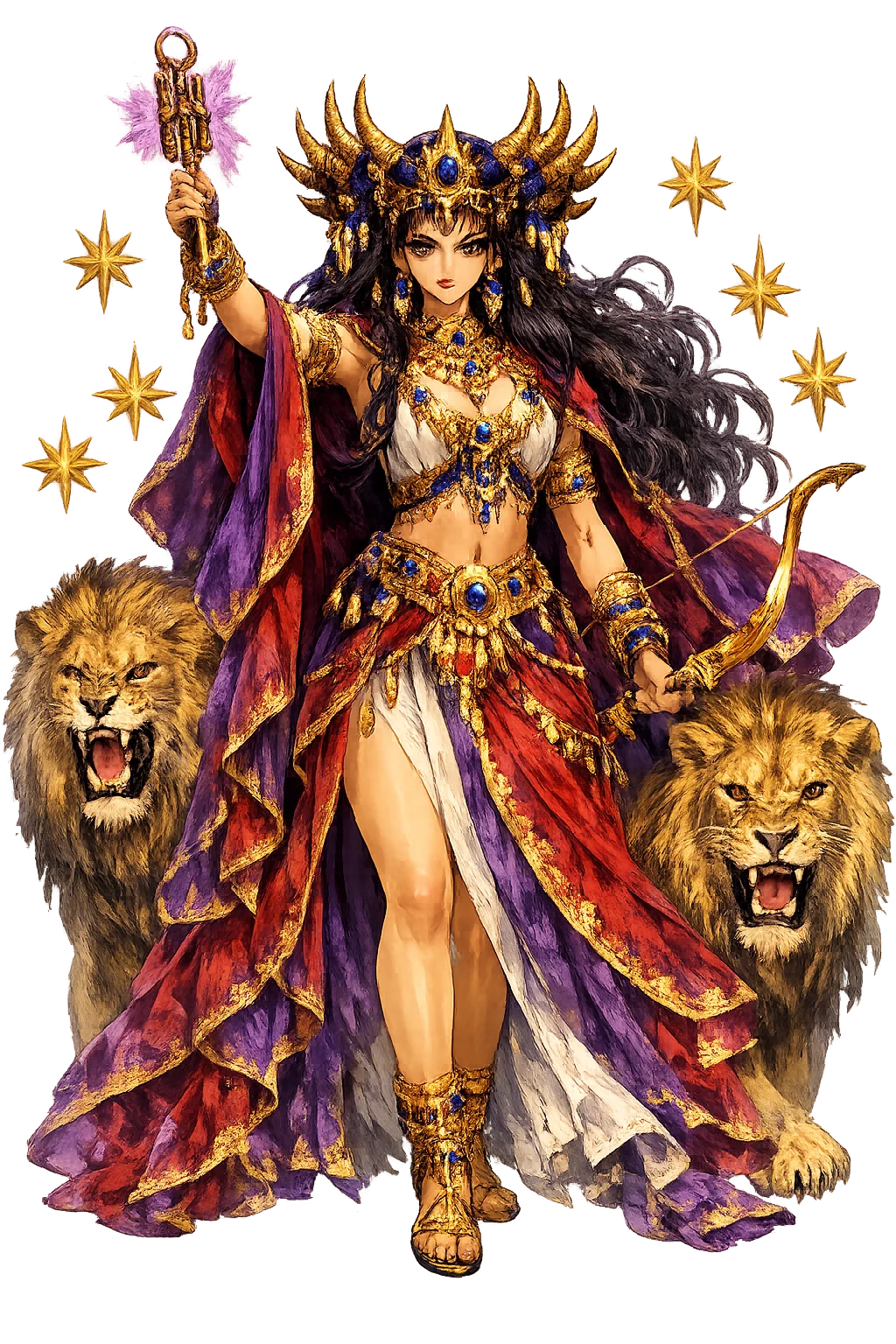
The Commons · current
Ištar — current mascot
CC BY 4.0 · attribution required
Temple Gallery
Old-Babylonian terracotta relief, c
commons.wikimedia.org · CC0
Temple Gallery
Fired clay plaque of Ishtar (Inanna) wearing a horned headdress and necklace, 19th–17th century BCE, Southern Mesopotamia
commons.wikimedia.org · CC BY-SA 4.0
Temple Gallery
Akkadian Empire cylinder seal, c
commons.wikimedia.org · CC BY 3.0
Temple Gallery
Top register of the Warka (Uruk) Vase, Jemdet Nasr period, c
commons.wikimedia.org · CC BY-SA 4.0
Temple Gallery
Akkadian cylinder seal, c
commons.wikimedia.org · CC BY 3.0
Temple Gallery
Reconstructed glazed-brick Ishtar Gate from Babylon, dedicated to the goddess, c
commons.wikimedia.org · CC0
✦
The Creatives room for Ištar is being gathered.
Student and independent artists will license mythological work here — credited always, paid properly.
Open to university creators first: the university door →
The Commons · current
Ištar — current mascot
CC BY 4.0 · attribution required