
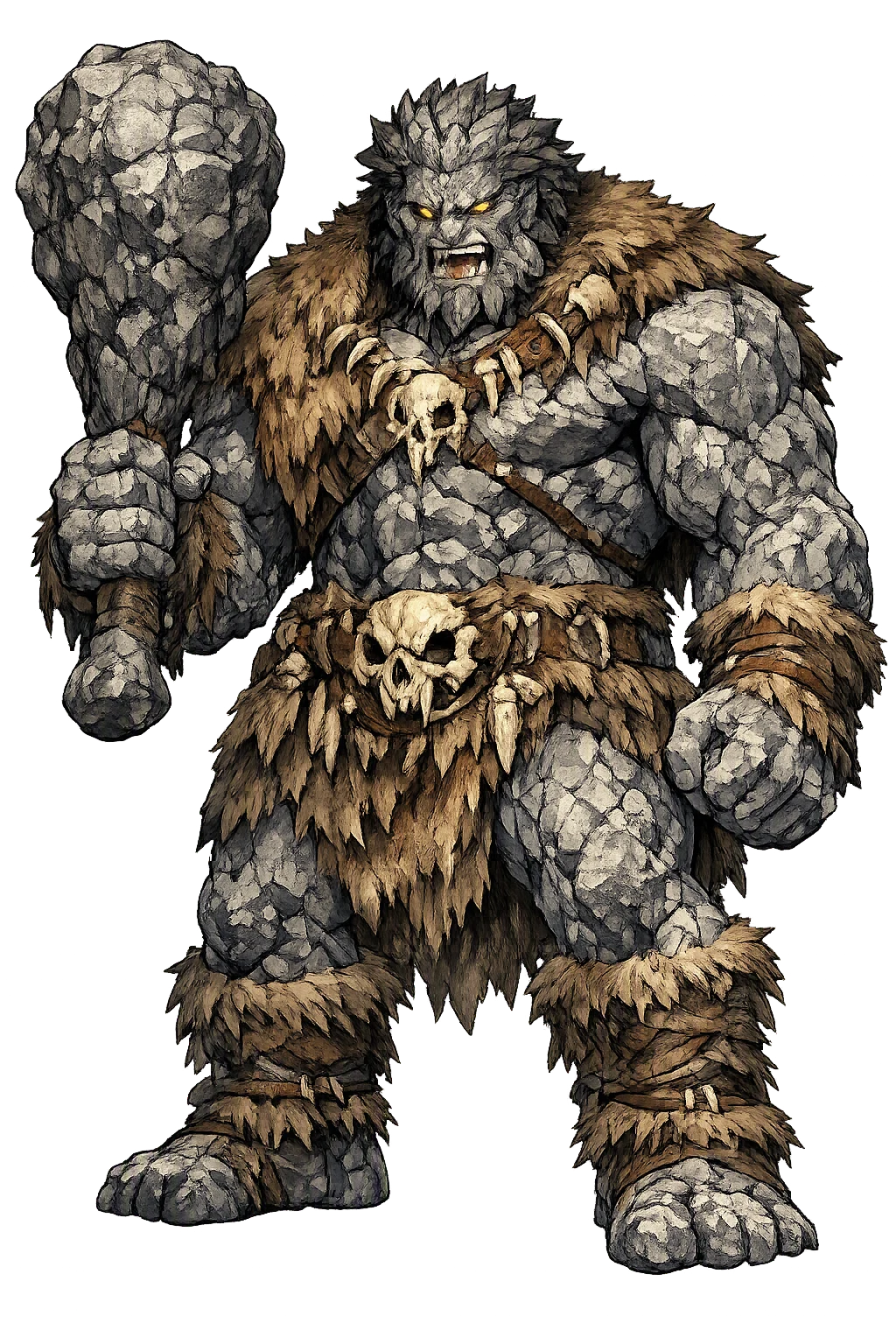
The appointments Hrungnir made — and who is keeping them
Take Hrungnir's stories in sequence. They are not episodes; they are appointments — and the modern trades are keeping them.
At a Glance
- Temple: Hrungnir
- Pantheon: Norse
- Domain of influence: Giant, Duel with Thor
- Pattern seats: 3
- Sectors touched: Commerce & Governance · Energy & Natural World · Culture & Entertainment
- Strongest seat: Defense, Military & Security
- Series: The Resonance Files, No. 219 of 548
The Cycle, Read Forward
Defense, Military & Security — through The Wager of Heads
It begins with a boast Óðinn could not keep to himself. Riding Sleipnir through Jötunheimr, he met the giant Hrungnir, who asked who this man was with the golden helmet, riding so well over sea and air, and praised the horse.
The atlas states the seat in one line: The strongest of the jötnar — the giant who wagered his head against the gods and lost it to Mjǫllnir. The story above is the long version of the same sentence. Industries do not invent their archetypes; they inherit them and call them best practice.
Mining & Natural Resources — through Drunk in the Hall of the Gods
The Æsir received him with the hospitality due an uninvited guest: they set before him the great horns Thor himself drank from, and Hrungnir emptied them one after another. Drunk, he let the boasts out — he would take Valhǫll up and carry it off to Jötunheimr, he would sink Ásgarðr, he would kill all the gods, save only Freyja and Sif, whom he would carry home; and the mead, he said, he would drink up all by himself.
The atlas states the seat in one line: Stone heart, stone head, stone shield, and a whetstone for a weapon — the giant made of quarry. The story above is the long version of the same sentence. The trade thinks it is optimizing a process. It is re-enacting a charter.
Sports, Fitness & Competition — through Grjótúnagarðar: The Whetstone and the Hammer
The giants made much of the appointment, for Hrungnir was the strongest of them and they expected one outcome or the other to be decisive. For his second they built a champion of clay: Mǫkkurkálfi, nine leagues tall and three leagues broad across the chest, with no heart big enough for the frame — so they gave him a mare's heart, and it quaked within him when Thor came.
The atlas states the seat in one line: Gullfaxi against Sleipnir — mythology's most expensive horse race. The story above is the long version of the same sentence. That is the cycle working: story becomes duty, duty becomes trade.
The Theme That Runs the Cycle
Hrungnir has essentially one story, and it is the greatest fight in the Edda: the wager, the drunken boasting in the hall of the gods, the appointed duel at Grjótúnagarðar, the shattered whetstone, and the fall that left even victorious Thor pinned beneath his enemy's leg. Snorri tells it in Skáldskaparmál, and the skald Þjóðólfr of Hvin had carved it into verse three centuries earlier.
The Method, Stated Plainly
None of this is numerology. A seat exists only where the match can be argued from the deity’s documented domains and deeds — weighted, published, and falsifiable. The derivation, the weights, and the challenge process are public on the methodology page. If a seat in this file reads wrong, the atlas itself tells you how to prove it — and the correction becomes part of the record.
For the Ones Who Work There
If you work in defense, military & security, mining & natural resources, or any trade this temple holds a seat in, this is the honest version of what a placement means: your industry beside the story it has been re-telling all along — on the temple floor itself, before an audience that came specifically to read it. The patron tier and the advertising terms describe the mechanics; the resonance above describes the fit.
The File Continues
One of 548 Resonance Files — the series where the pantheon goes to work. Read the founding dispatch for the name, the Restoration File for the spelling, or the whole archive end to end.
Continue the series — previous: Ḥꜥpy (read it) · next: Huángdì (read it).
The Resonance Files are argued from the same canonical record as the pattern atlas itself: the lexicon, the lore catalog, and the cited sources. Every seat can be challenged at the methodology page — and the challenge is the point.