
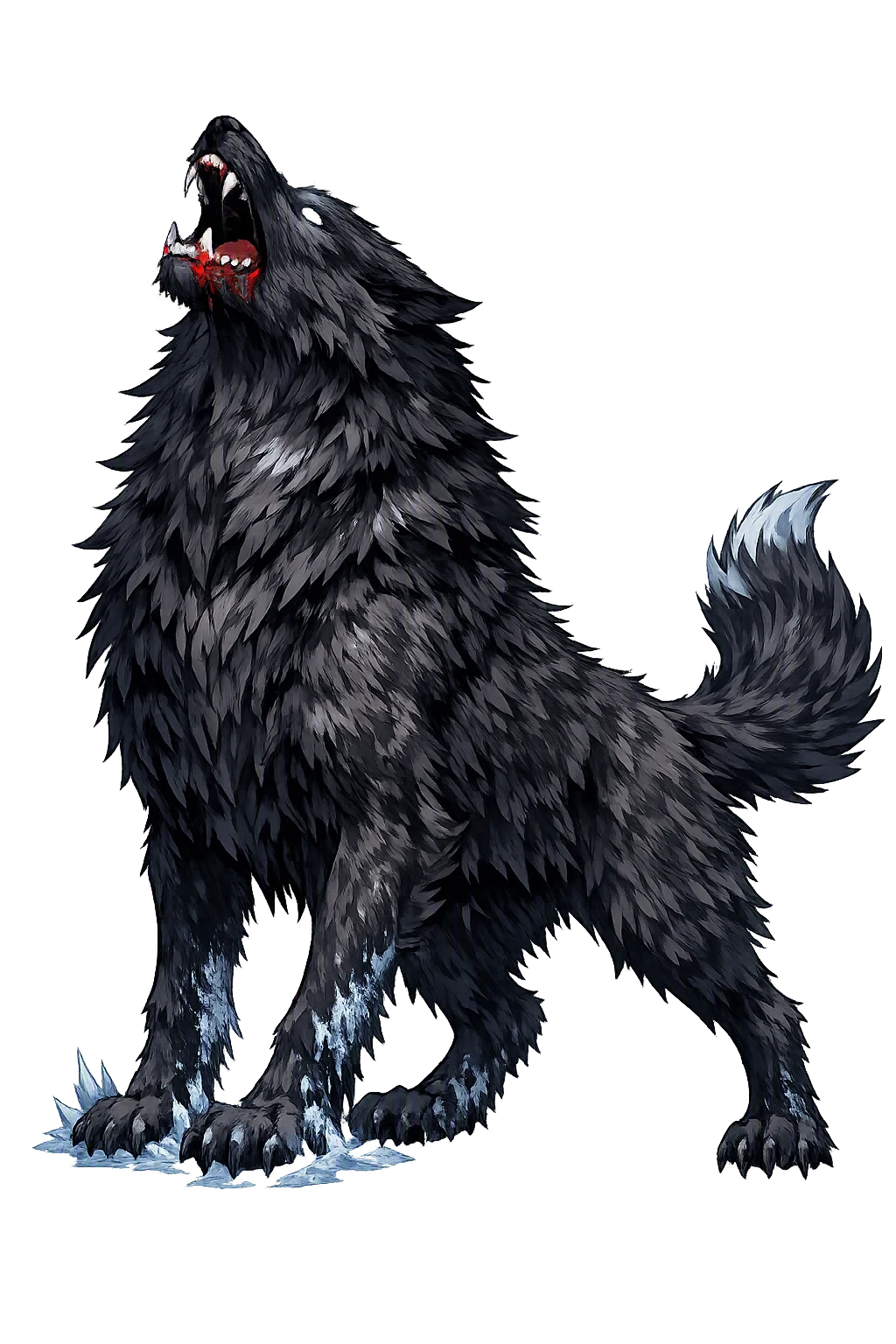
Evidence dossier: Hati
Evidence dossier 191 — Hati. Every exhibit catalogued, every ruling stated with its grounds.
At a Glance
- Canonical form: Hati
- Original script: ᚼᛅᛏᛁ
- Pantheon: Norse
- Convention: normalized Old Norse spelling — þ, ð, ǫ, æ and length marks preserved as the editions print them
- False forms on record: 0
- Contested forms: none attested
- Series: The Canonical Register, No. 191 of 548
The Evidence
Exhibit 1 — the attestation. The attested form is ᚼᛅᛏᛁ, from the tradition's own record. The canonical transliteration is Hati.
Exhibit 2 — the flattened form. The plain form hati differs from the canonical Hati only by convention of display — case, not content. It is acceptable everywhere: in legacy systems, in plain-text citation, in the DNS itself. What is not acceptable is what follows in the register: respellings that change the letters, not just their case.
Exhibit 3 — the physical record. Hati is a wholly textual figure: no runestone names him, no votive deposit invokes him, and no image can be securely assigned to him. Wolf iconography is plentiful in the Viking-Age record — the wolf-rider and great-wolf scenes on the Gotland picture stones have long been argued over, and Hyrrokkin's wolf-mount at Baldr's funeral was carved in Óláfr pái's hall (Húsdrápa, c. 983) — but no carving carries an inscription that ties a wolf to the moon-chase. The name's witnesses are the manuscripts: Grímnismál in the Codex Regius (c. 1270) and AM 748 I 4to, Völuspá in the Codex Regius and Hauksbók, and Gylfaginning in the Codex Regius of the Prose Edda and its sister codices (Codex Wormianus, Codex Upsaliensis), all recording material centuries older. The þulur of Skáldskaparmál preserve Hati and Hróðvitnir among the poetic heiti for 'wolf' — the tradition's own file of the name.
Exhibit 4 — the continuing record. Hati's afterlife is the eclipse-wolf's: wherever the Ragnarǫk story is retold, the pair Skǫll and Hati run in the sky above it. Victorian and later handbooks of Norse myth made the chase a set-piece of cosmological explanation — the sky's motions as a hunt, the eclipse as the moment the wolf gains — and modern retellings, novels, and games keep the two wolves as Ragnarǫk's outriders.
The Convention's Own History
The Poetic Edda survives essentially in one manuscript — the Codex Regius, c. 1270 — and normalized Old Norse spelling descends from what that manuscript and its siblings actually write. Þ and ð are not decorations: they are letters of the alphabet the skalds used (and English later abandoned), and ǫ is a nasal vowel the normalization preserves because the sources carry it. The register's rule is the manuscript's rule: spell the names the way the tradition that sang them wrote them down.
The Protocol's Position
Can the canonical form live in the address bar? Almost always, yes. IDNA 2008 admits every mark this register defends — the DNS stores them as `xn--` punycode and modern browsers render them natively. The real frictions are practical, not legal: some registrars stock only part of the IDN space, so a theoretically valid name can be temporarily unbuyable; and stacked combinations (an acute riding a macron) remain awkward to type on mobile keyboards even where the protocol accepts them.
The project's answer is a ranked ladder, not a compromise: the full restoration first, then attested fallbacks in descending order of completeness. The ladder's lowest rung, plain ASCII, is a vehicle for legacy systems — sanctioned, but never presented as the scholarly form.
The Verdict
Case closed on Hati: canonical, cited, and defended. The keyboard form hati is the same name in another register of display — always acceptable. The register's files remain open: if a source surfaces that changes any line of this entry, the entry changes. Until then, the temple at /hati/ holds the canonical form.
The docket for this ruling: no false forms on the docket; no contested forms attested; the attestation rests on 5 cited sources — Poetic Edda: Grímnismál 39 (Hati, Hróðvitnir's son, before the bright bride of heaven) and Völuspá 39-40 (the Ironwood brood; the snatcher of the moon), Snorri Sturluson, Prose Edda: Gylfaginning 12 (Skǫll and Hati; Mánagarmr) and 51 (Ragnarǫk); Skáldskaparmál þulur (wolf-heiti), Cleasby-Vigfusson, An Icelandic-English Dictionary, s.v. hati, hata, Hróðvitnir.
The Register Continues
This is one of 548 entries in the Canonical Register — the authoritative reference for every flagship temple. The temple's founding dispatch tells the name's story; its Restoration File details the marks; its Resonance File reads the archetype into the industries. The blog index holds the whole archive, and the Rulebook states the convention this register enforces.
Continue the register — previous entry: Haoma (read it) · next entry: Haumiatiketike (read it).
The Canonical Register is written from the same canonical record as the lexicon itself. If a false form is missing from this page, it is because the evidence does not support calling it false — or because we have not seen it yet. Show us, with a citation, and the register will answer.