
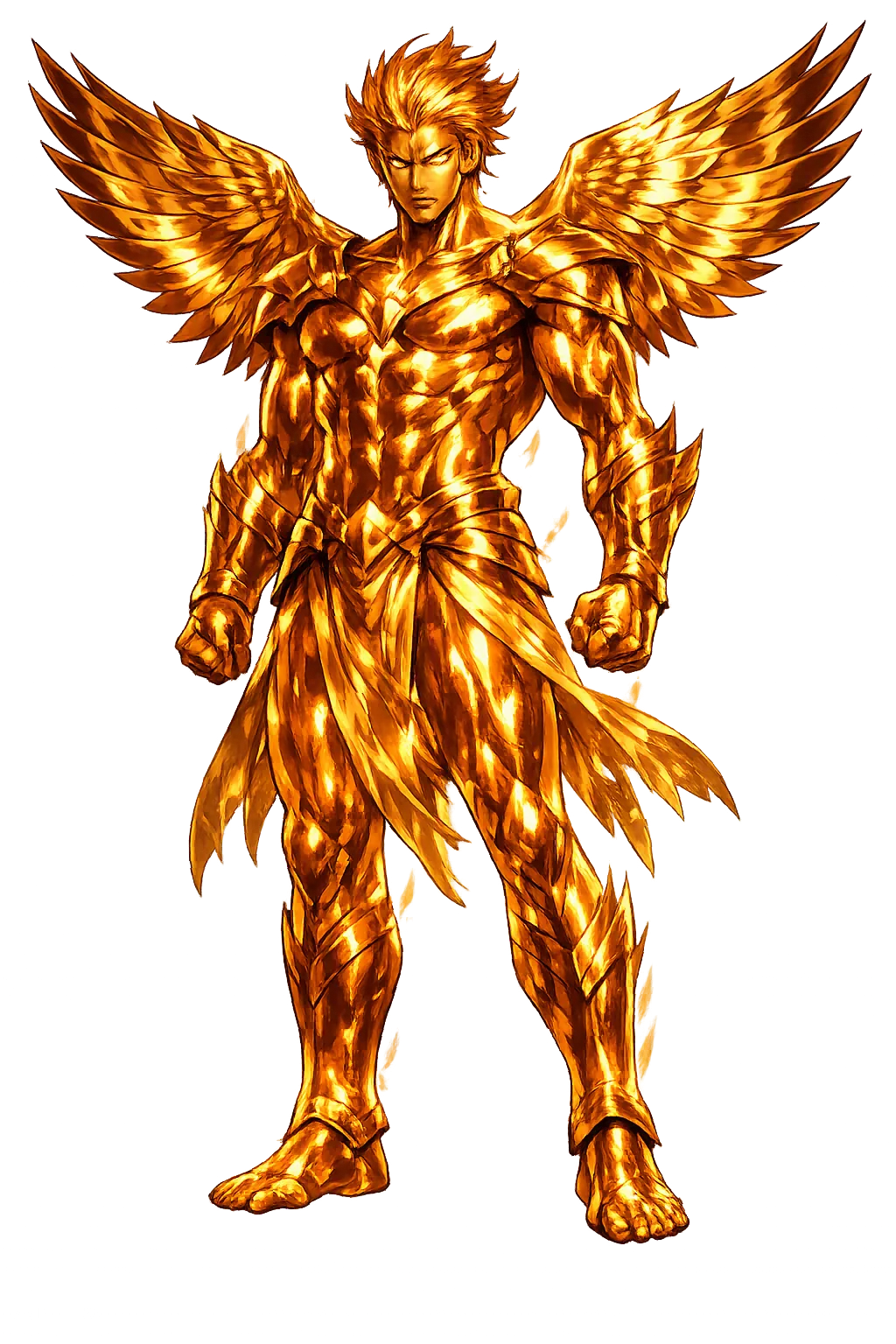
Why Animus is spelled that way — and what it costs to get it right
There is a version of this name the early internet had to settle for: animus. This is the file on how Animus replaced it.
Animus is not a mythological character but a concept that runs through Roman literature, rhetoric, and ethics. Its 'mythology' is the story of how Latin speakers imagined the active self: the mind that commands, the spirit that endures, and the anger that destroys.
At a Glance
- Restored name: Animus
- ASCII form: animus
- Meaning: "Mind, spirit, courage"
- Domain of influence: Mind, Spirit, Courage
- Pantheon: Greek
- Classification: Tier 2
- Original script: ANIMUS
- Series: The Restoration Files, No. 36 of 548
The Name Before the Marks
Spoken, the name runs `/ˈa.nɪ.mʊs/` — 'AH-nih-moos' — stress the first syllable; the final vowel is short and rounded.
The Temple That Stands Now
The restored name is not a plaque; it is an address. The temple of Animus lives at /animus/, with its mythology in the lore halls, its peer-reviewed record in the Scholarly Edition, and its place in the pattern atlas on the patterns floor.
The restoration keeps one feature the ASCII form drops. One is enough to matter, and the label says so plainly: Tier-2.
Where the Name Stood First
No altar to Animus is known — the word never had a cult — but the concept has a material footprint. Polybius, explaining Roman power to Greeks, describes the aristocratic funeral: the corpse arrayed in the forum with actors wearing the wax portrait-masks (imagines) of every ancestor, each mask a stored animus brought back to embody the dead (Histories 6.53–54). The Roman portrait tradition — the veristic busts of the Republic and thousands of funerary inscriptions commending the animus to the gods — is the largest surviving archive of the idea. Roman coins personified virtus and fides; what they struck in bronze was the disciplined animus itself, made payable. The temple on the web is the newest of these addresses — the first one that fits in a pocket.
The Archetype at Work
The pattern atlas seats this temple in 3 industries, each match argued and weighted: Education, Research & Knowledge (primary seat: Animus embodies mind, spirit, courage — the core of education.); Mythic Name Restoration (resonant seat: Animus shares symbolic territory with mythic restoration.); Writing, Publishing & Media (resonant seat: Animus shares symbolic territory with publishing media.). The Resonance File reads those seats through the myths themselves.
In the Sacred Texts
The Greek tradition is not a vibe; it is a library. The Sacred Texts collection holds Theogony, Homeric Hymns, and Works and Days — the primary sources the temple's scholarship is built on. The temple is the argument; the texts are the evidence.
The File Continues
The temple's founding dispatch tells the name's story; its Resonance File reads the myths into the industries; the blog index holds the whole archive.
Continue the series — previous file: Anima (read it here) · next file: ꜥnḫ (read it here).
The Restoration Files are written from the same canonical record as the temples themselves: the lexicon, the lore catalog, the pattern atlas, and the cited scholarly sources. If a file ever disagrees with its temple, the temple is right — tell us, and the file will be corrected.