PuniCodex

Extended Lore

ANIMUS Animus

Etymology · Phonology · Orthography · Cultural Legacy · Primary Sources

Tier 2 Animus
Animus — Mind, Spirit, Courage
01

Quick Facts

Essential information about Animus, Mind, Spirit, Courage

Original ScriptANIMUS
Unicode RestorationAnimus
Reconstructed Pronunciation/ˈa.nɪ.mʊs/
PantheonGreek
DomainMind, Spirit, Courage
MeaningMind, spirit, courage
ClassificationTier 2
Primary DomainAnimus
Sacred SymbolsHeart, Sword, Flame, Brow or forehead
02

Etymology & Word Family

From original script to Unicode restoration

Original Script ANIMUS Animus — "Mind, spirit, courage"
Unicode Restoration Animus Restored stress, length, and script
Modern ASCII animus Plain-ASCII fallback

Animus is a Latin word, not a Greek proper name. It has no indigenous alphabetic 'original script' other than the Latin alphabet. The ASCII form animus is already the Latin spelling; the restoration capitalises the proper-noun form as a scholarly citation. Because no distinctive diacritic or special letter is added, the entry is Tier 2.

03

Unicode Character Breakdown

Character-by-character philological analysis

CharacterUnicodeNameBlockPhonetic Role
AU+0041Latin Capital Letter ABasic LatinA uppercase
nU+006ELatin Small Letter NBasic Latinn same
iU+0069Latin Small Letter IBasic Latini same
mU+006DLatin Small Letter MBasic Latinm same
uU+0075Latin Small Letter UBasic Latinu same
sU+0073Latin Small Letter SBasic Latins same

The Tier 2 classification reflects how much of the original phonology this restoration preserves — stress and vowel length for Greek names, distinctive letters and diacritics for every other tradition.

04

Cultural Significance

From ancient cult to modern Unicode

Ancient Domain

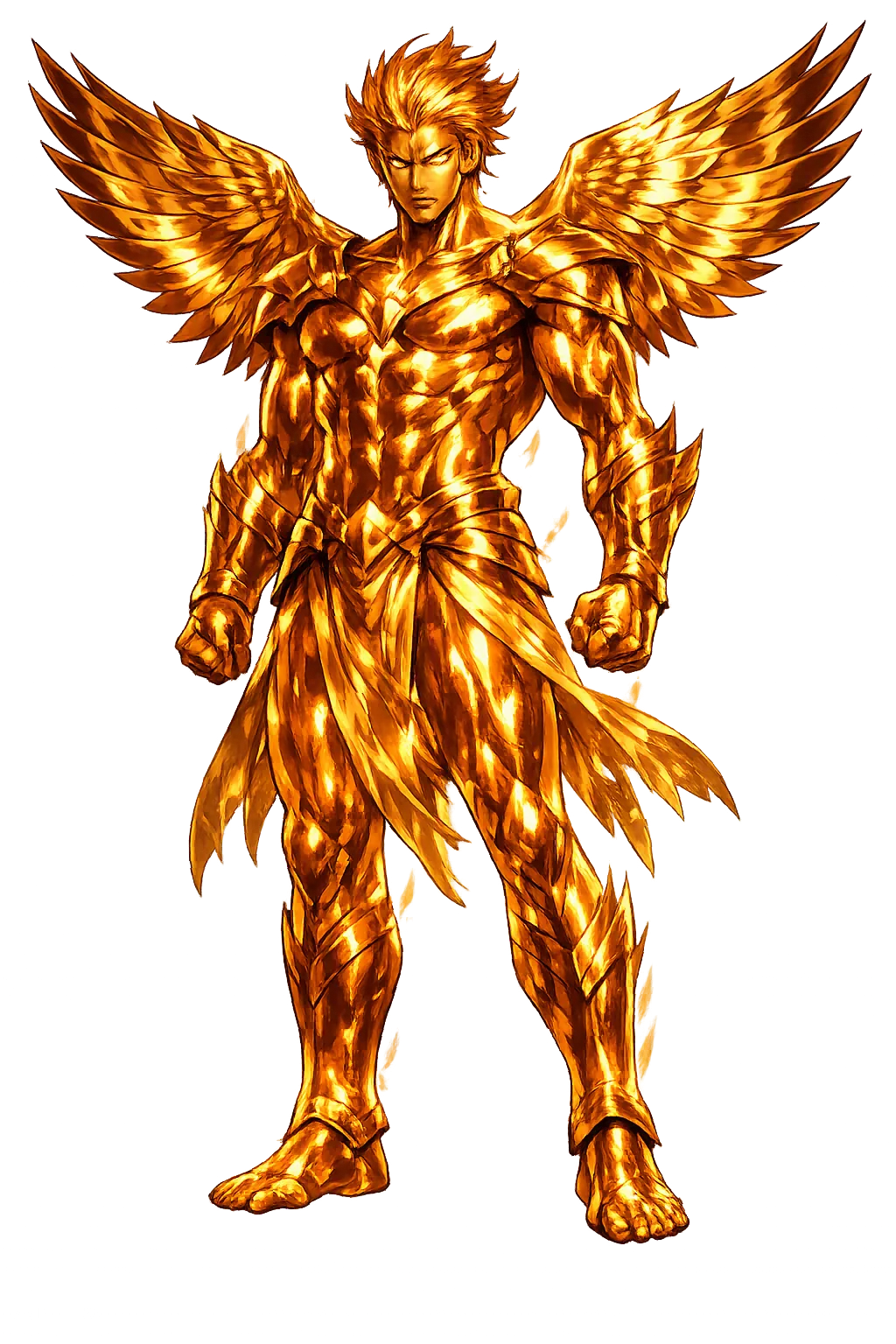
Animus is the Latin word for mind, spirit, courage, and sometimes fierce anger. It names the active, directing part of the person: the faculty that thinks, decides, resists, and fights. Where anima is breath and life, animus is will and consciousness. Roman ethics placed great weight on the animus as the seat of virtue, and the word survives in English as a sign of both spiritedness and settled hostility.

Animus in Later Traditions

The Latin animus maps onto Greek thymos (spiritedness), nous (mind), and psychē (soul). Roman Stoicism absorbed Greek psychology and gave it a distinctly Roman emphasis on duty, endurance, and public virtue. In modern English 'animus' has narrowed to mean hostility or ill will, but the broader Latin sense survives in words such as animate, magnanimous, and animosity. The word is a bridge between ancient ethics and modern psychology.

Modern Legacy

Animus survives in English as both a technical term and an everyday word. 'Animate,' 'animation,' and 'animal' derive from anima, but 'animus,' 'magnanimous,' 'pusillanimous,' and 'animosity' preserve the masculine, spirited sense. In Jungian psychology the animus is a major archetype, and in law and rhetoric 'animus' still names intention or state of mind. The word's career shows how Roman concepts of mind and courage continue to shape Western languages and thought.

Unicode Restoration as Cultural Act

Restoring Animus in a domain name is more than orthographic accuracy. It is a statement that the internet should recognize the full range of human writing — not only the ASCII keyboard.

05

Frequently Asked Questions

Common questions about Animus, Mind, Spirit, Courage, and Unicode restoration

01How do you pronounce Animus?

In reconstructed pronunciation, Animus is /ˈa.nɪ.mʊs/ — approximately 'AH-nih-moos' — stress the first syllable; the final vowel is short and rounded..

02What does Animus mean?

Animus means Mind, spirit, courage in the greek tradition.

03What are the symbols of Animus?

Animus is associated with Heart (The seat of courage and emotional resolve in Roman and modern symbolism.), Sword (The instrument of courage and the willingness to act with force.), Flame (The fire of spirit, ambition, and anger that drives action.), Brow or forehead (The visible place of mind and determination, where animus shows on the face.).

04Why restore Animus in Unicode?

Plain ASCII animus strips the stress, length, and script that make the name specific. Unicode restoration returns the name to its original written dignity.

05What is the most important myth about Animus?

For Roman writers such as Cicero and Livy, the animus is the source of virtus, the courage that makes a citizen worthy of the state. Scipio Africanus, Horatius at the bridge, and the unnamed soldiers of the Roman legions are all praised for the strength of their animus. The word carries the conviction that character is an inner force that outward action reveals.

06

Scholarly Sources

The philological foundations of this restoration

Every claim on this page is grounded in established scholarship. The orthographic restorations follow disciplinary convention. The etymological chain follows the best available reference works. This is not invention — it is resurrection through scholarship.

Lexicography & Philology

  • Cicero
  • Lewis-Short

Primary Texts

  • Cicero, Tusculanae disputationes and De officiis
  • Virgil, Aeneid

Archaeology & Art History

  • Material evidence — iconography, inscriptions, and temple archaeology — for Animus and related cults.

Religious Studies

  • Oxford Latin Dictionary, s.v. animus
  • Lewis and Short, A Latin Dictionary, s.v. animus
  • Seneca, De ira
  • Marcus Aurelius, Meditations
Return

The Surface Awaits

You have traced the name from its earliest attestation to its Unicode restoration. Now return to the myth. The story is where the name lives.

Back to Lore
Animus mascot