
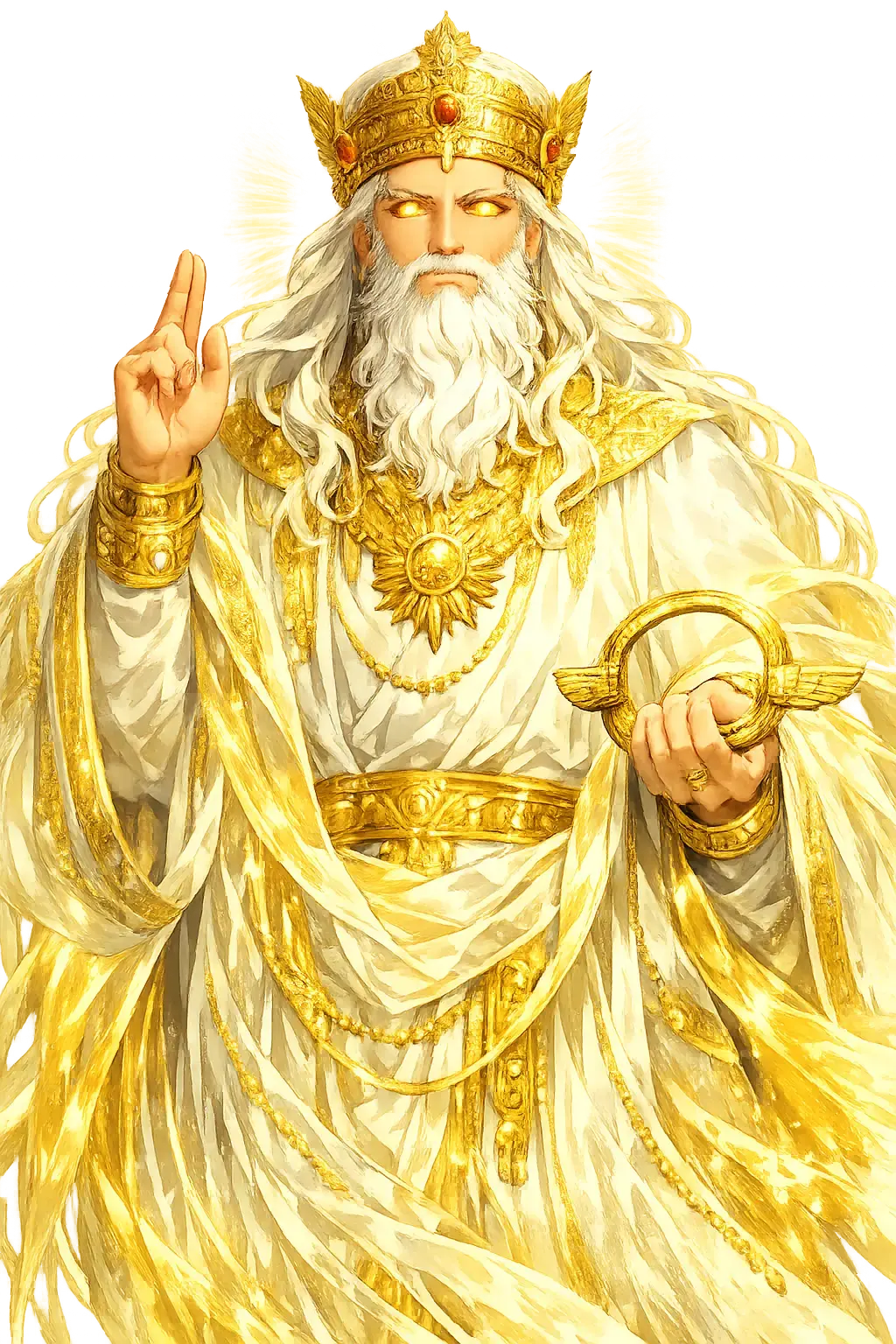
The Cult
AhuraMazdā's cult is fire and word. The Achaemenid kings invoked Auramazdā in their inscriptions, and the Persepolis tablets record the royal economy of sacrifice — wine, grain, and livestock distributed to the gods — though how far the empire's populace worshipped him directly remains debated. His enduring cult home is the Zoroastrian liturgy: the Yasna with its haoma pressing, maintained by hereditary priesthoods — the magi of the Greeks, the mowbeds of the Sasanians, the mobeds of today — and centered on consecrated fire, not an idol but his visible presence, tended in temples from Sasanian times to the Āteshkadeh of Yazd. The laity pray before household or temple fire; initiates tie the kusti; the year turns on Nowruz and the six seasonal Gāhānbārs. Worship is ethical action as much as offering: good thoughts, good words, good deeds.