PuniCodex

Extended Lore

Yurlungur

Etymology · Phonology · Orthography · Cultural Legacy · Primary Sources

Tier 2 Yurlungur
Yurlungur — Copper Snake, Initiator
01

Quick Facts

Essential information about Yurlungur, Copper Snake, Initiator

Scholarly TransliterationYurlungur
Unicode RestorationYurlungur
Reconstructed Pronunciation/ˈjʊəlʊŋɡʊə/
PantheonAboriginal
DomainCopper Snake, Initiator
MeaningThe great copper snake
ClassificationTier 2
Primary DomainYurlungur
Sacred SymbolsCopper python, Rainbow, Waterhole, Bullroarer, White ochre
02

Etymology & Word Family

From original script to Unicode restoration

Scholarly Transliteration Yurlungur Yurlungur — "The great copper snake"
Unicode Restoration Yurlungur Restored stress, length, and script
Modern ASCII yurlungur Plain-ASCII fallback

The ideal form would preserve Yolŋu retroflex or postalveolar phonemes, but these are not registrable in the DNS root zone. PuniCodex therefore records the conventional English scholarly spelling **Yurlungur** with initial capitalization. The name is Tier 2: the restoration capitalizes the proper noun but does not add a diacritic or distinctive letter that the ASCII form lacks, because the Aboriginal source is transmitted orally and is conventionally romanized without special marks.

03

Unicode Character Breakdown

Character-by-character philological analysis

CharacterUnicodeNameBlockPhonetic Role
YU+0059Latin Capital Letter YBasic LatinSame, capitalized
uU+0075Latin Small Letter UBasic LatinSame
rU+0072Latin Small Letter RBasic LatinSame
lU+006CLatin Small Letter LBasic LatinSame
uU+0075Latin Small Letter UBasic LatinSame
nU+006ELatin Small Letter NBasic LatinSame
gU+0067Latin Small Letter GBasic LatinSame
uU+0075Latin Small Letter UBasic LatinSame
rU+0072Latin Small Letter RBasic LatinSame

The Tier 2 classification reflects how much of the original phonology this restoration preserves — stress and vowel length for Greek names, distinctive letters and diacritics for every other tradition.

04

Cultural Significance

From ancient cult to modern Unicode

Ancient Domain

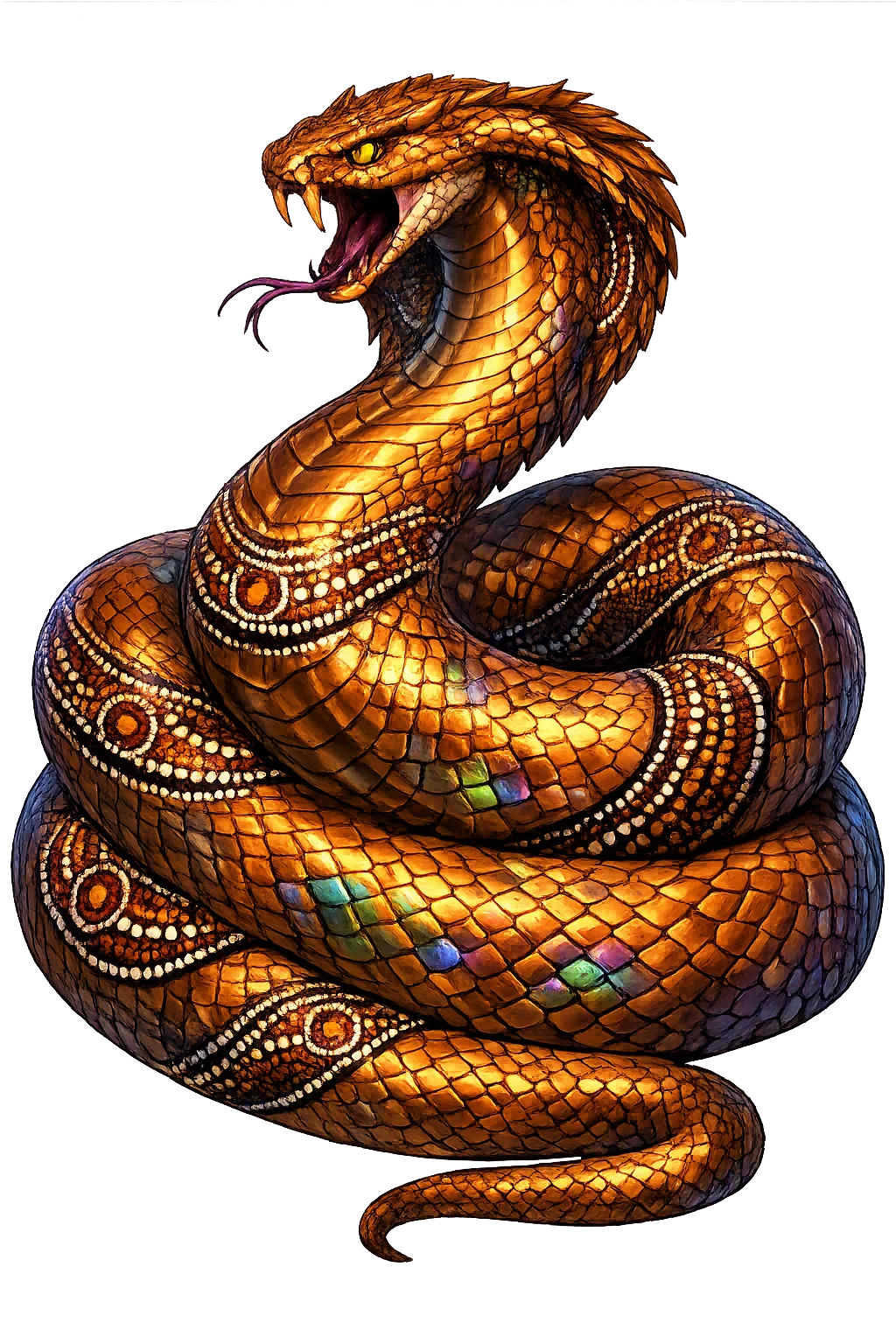
Yurlungur is the great copper python of the Yolŋu peoples of northeast Arnhem Land — a Rainbow Serpent whose swallowing of the boy Wawi at the first circumcision became the template for male initiation across the Murngin world. He is not merely a monster; he is the law itself, the waterhole guardian, and the ancestor who transforms boys into men.

Yurlungur in Later Traditions

Yurlungur is best understood within the Yolŋu moieties (Dhuwa and Yirritja) and the clan-specific song cycles (manikay) that map his journeys between waterholes. He is not a universal Aboriginal god but a regional ancestor whose story is owned and transmitted by particular Yolŋu lineages. Comparative anthropologists have grouped him with Rainbow Serpent figures across the continent, yet Yolŋu custodians emphasize the local specificity of his name, sites, and ritual obligations. In modern discourse he appears in Indigenous land-rights testimony, in museum interpretations of Arnhem Land art, and in scholarly discussions of Aboriginal religion and environmental knowledge.

Modern Legacy

Yurlungur remains a living ancestor for Yolŋu peoples. His story is performed in initiation, painted in bark paintings and on bodies, and invoked in claims to country and water. Anthropologists from Warner and the Berndts onward have used the Murngin material as a classic case study in Australian Aboriginal religion, kinship, and ritual. In wider Australian culture, the Rainbow Serpent — including figures such as Yurlungur — has become an emblem of Indigenous ecological knowledge and the deep connection between sacred law and the care of water. Contemporary Yolŋu artists continue to depict the great copper python, and his name is cited in discussions of cultural heritage, repatriation, and Indigenous intellectual property.

Unicode Restoration as Cultural Act

Restoring Yurlungur in a domain name is more than orthographic accuracy. It is a statement that the internet should recognize the full range of human writing — not only the ASCII keyboard.

05

Frequently Asked Questions

Common questions about Yurlungur, Copper Snake, Initiator, and Unicode restoration

01How do you pronounce Yurlungur?

In reconstructed pronunciation, Yurlungur is /ˈjʊəlʊŋɡʊə/ — approximately 'YUR-lun-gur' — three level syllables, with the first syllable receiving a light stress. Keep the 'r' soft; this is an anglicized scholarly rendering of a Yolŋu name..

02What does Yurlungur mean?

Yurlungur means The great copper snake in the aboriginal tradition.

03What are the symbols of Yurlungur?

Yurlungur is associated with Copper python (The living form of Yurlungur himself; the snake that is both ancestor and law), Rainbow (The celestial trace of the serpent moving between waterhole and sky; sign of rain and potency), Waterhole (The dwelling place of the great snake and the portal through which novices pass), Bullroarer (The sacred voice of the serpent heard during initiation; its sound must not be heard by women or uninitiated), White ochre (The clay with which initiates and ritual objects are painted; the mark of transformation).

04Why restore Yurlungur in Unicode?

Plain ASCII yurlungur strips the stress, length, and script that make the name specific. Unicode restoration returns the name to its original written dignity.

05What is the most important myth about Yurlungur?

At the first borum (circumcision) ceremony, the boy Wawi ate food that had been forbidden to him. The great copper snake Yurlungur rose from his waterhole and swallowed the boy whole. The other ancestors were dismayed; the boy's mother followed his tracks to the waterhole and wept. Moved — or perhaps shamed — by her grief, Yurlungur vomited the boy out, alive but transformed. From that day the pattern was set: every novice must enter the ancestral body and emerge again.

06

Scholarly Sources

The philological foundations of this restoration

Every claim on this page is grounded in established scholarship. The orthographic restorations follow disciplinary convention. The etymological chain follows the best available reference works. This is not invention — it is resurrection through scholarship.

Lexicography & Philology

  • AIATSIS
  • Berndt

Primary Texts

  • Primary sources in the aboriginal tradition for Yurlungur.

Archaeology & Art History

  • Material evidence — iconography, inscriptions, and temple archaeology — for Yurlungur and related cults.
  • The material evidence for Yurlungur is held in Yolŋu ceremonial objects, rock art, and sacred sites rather than in excavated strata. Bark paintings from northeast Arnhem Land depict the Rainbow Serpent and the initiation complex; notable collections are held by the Australian Institute of Aboriginal and Torres Strait Islander Studies (AIATSIS), the National Museum of Australia, and the Museum and Art Gallery of the Northern Territory. The waterholes identified as Yurlungur's dwelling remain active sacred sites, and access to them is governed by Yolŋu customary law. Archaeological research in the region has documented long-term Aboriginal occupation of the Arnhem Land plateau and adjacent coastal plains, providing the environmental context within which the Yurlungur narratives are embedded.

Religious Studies

  • AIATSIS
  • Berndt
  • Warner, W. Lloyd, A Black Civilization: A Social Study of an Australian Tribe
  • Berndt, R. M. and C. H. Berndt, The World of the First Australians
  • Elkin, A. P., Aboriginal Men of High Degree
  • Berndt, R. M., Kunapipi: A Study of an Australian Aboriginal Cult
Return

The Surface Awaits

You have traced the name from its earliest attestation to its Unicode restoration. Now return to the myth. The story is where the name lives.

Back to Lore
Yurlungur mascot