PuniCodex

Extended Lore

ᚢᛅᛚᛁ Váli

Etymology · Orthography · Cult · Iconography · Reception · Sources

Tier 1 Váli.com
Váli — Vengeance, Son of Odin
01

Quick Facts

Essential information about Váli, Vengeance, Son of Odin

Original Scriptᚢᛅᛚᛁ
Unicode RestorationVáli
Reconstructed Pronunciation/ˈwɑːli/
PantheonNorse
DomainVengeance, Son of Odin
MeaningThe chosen
ClassificationTier 1
Primary DomainVáli.com
Sacred SymbolsBow, Mistletoe, Wolf, Bonds
02

Etymology & Word Family

From original script to Unicode restoration

Original Script ᚢᛅᛚᛁ Váli — "The chosen"
Unicode Restoration Váli Restored stress, length, and script
Modern ASCII vali Plain-ASCII fallback

The name Váli carries the orthographic signature of the norse tradition: ᚢᛅᛚᛁ. Unicode restoration recovers what ASCII flattens.

03

Unicode Character Breakdown

Character-by-character philological analysis

CharacterUnicodeNameBlockPhonetic Role
VU+0056Latin Capital Letter VBasic LatinSame, capitalized
áU+00E1Latin Small Letter A with AcuteLatin-1 SupplementStress on a
lU+006CLatin Small Letter LBasic LatinSame
iU+0069Latin Small Letter IBasic LatinSame

The Tier 1 classification reflects how much of the original phonology this restoration preserves — stress and vowel length for Greek names, distinctive letters and diacritics for every other tradition.

04

Cult & Worship

How the sacred was kept — rites, sanctuaries, remains

The Cult

No ancient cult or priesthood is attested for Váli. The Norse sources remember him as a one-day-old avenger, born to Rindr for the single purpose of killing Höðr; that function is narrative, not liturgical. There are no runestones that name him, no sacral place-names, and no seasonal rituals. The absence does not mean he was unknown—Snorri Sturluson and the Poetic Edda preserve his story—but it does mean he was never an object of worship in the way that Óðinn, Þórr, or Freyja were. Modern Ásatrú and Heathen groups sometimes honor him as a god of vengeance and filial duty, yet these are contemporary constructions built from medieval texts.

05

Iconography

How Váli was imaged across the ages

The Image

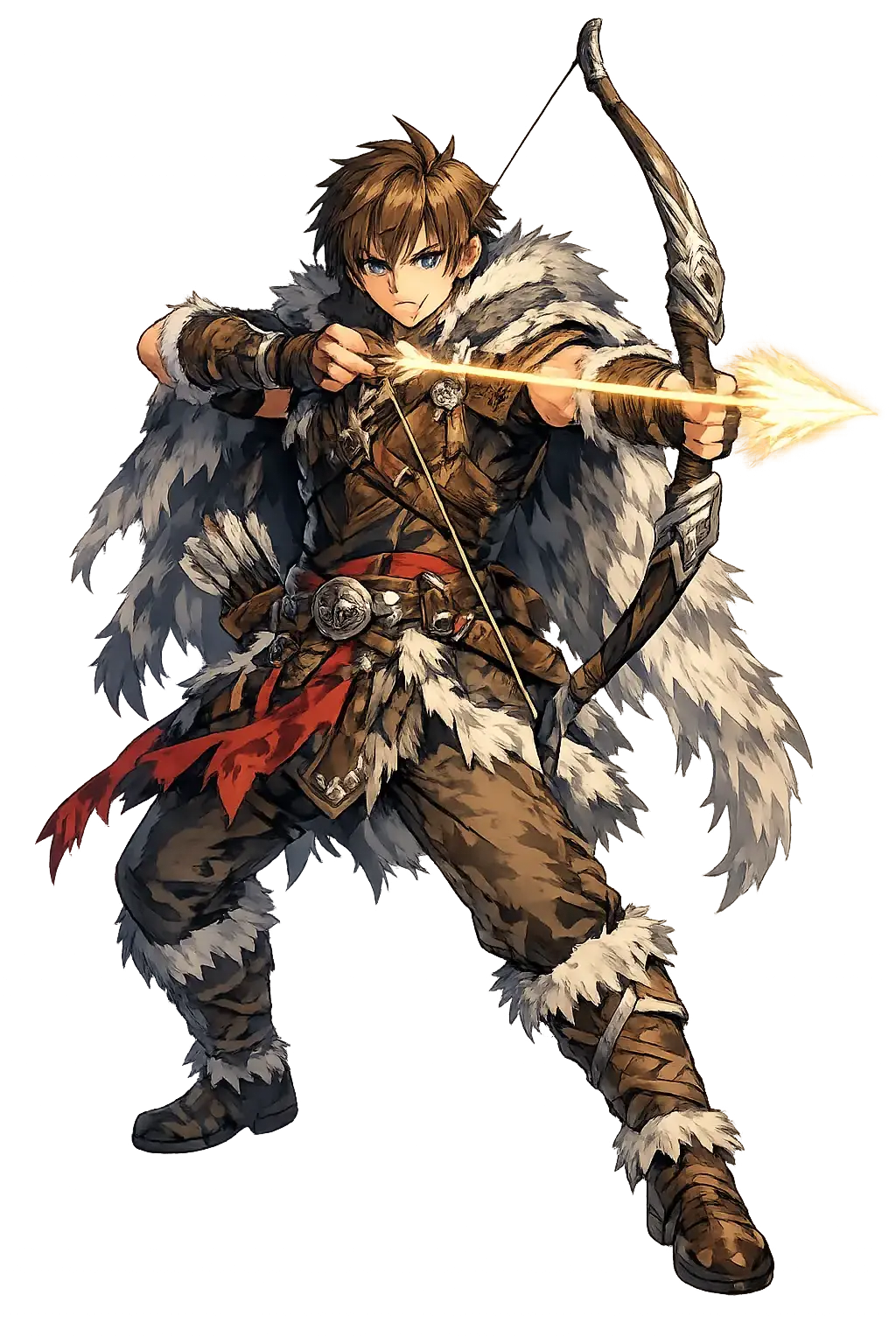
Váli left no Viking-Age images: no runestone, bronze figurine, or manuscript illumination names or depicts him. The visual tradition is entirely modern, beginning with nineteenth-century Romantic illustrations of the Edda and continuing through fantasy gaming, comics, and contemporary Norse-pagan art. These images usually show him as a youth with a bow—the weapon of Baldr's slaying—or as a wolf-linked figure conflated with the other Váli, son of Loki. Because his myth is so brief, artists have had to invent a visual identity. The result is a protean figure whose iconography tells us more about modern desire for complete Norse pantheons than about pre-Christian Scandinavian art.

06

Reception & Transformation

The name after its own age — transmission, translation, survival

Afterlives

Váli's afterlife depends on the survival of medieval Icelandic manuscripts—the Poetic Edda, Snorri's Prose Edda, and the legendary sagas that preserved Baldr's death. The story was transmitted through Danish and Swedish antiquarians of the seventeenth and eighteenth centuries, then absorbed into Romantic nationalism: artists and poets across Scandinavia, Britain, and Germany mined the Edda for tragic Nordic heroes. Wagner reshaped the Baldr myth into the Ring cycle, though Váli himself does not appear on stage. In the twentieth and twenty-first centuries he resurfaces in fantasy literature, role-playing games, and modern Heathenry, often folded into broader narratives of Ragnarök and divine vengeance. His reception is thus a case study in how a minor mythic figure is kept alive by scholarly editing and popular imagination.

Identifications Across Traditions

Váli has no secure non-Germanic counterpart, but his function — the avenger born to settle a blood-debt — has deep Indo-European pedigree, and Saxo Grammaticus preserves the euhemerized version: in Gesta Danorum (3.4) the hero Bous, son of Othinus and the reluctant Rinda, is begotten to avenge Balderus and dies in the very duel that kills Hotherus — the same chapter shows Christianity rewriting the story, Balderus mourned like a Christ. Romantic scholarship noted the resemblance between Váli's instantaneous childhood and other born-fully-armed avengers, while Wagner quietly discarded him: the Ring's Siegfried is, in effect, a Váli who was allowed to grow up. Modern comics and fantasy, following Snorri's ambiguity, have merged him with his namesake — the wolf-son of Loki — into a single shape-shifting avenger that neither manuscript actually describes.

Modern Legacy

Váli remains a minor but haunting figure in modern retellings of Norse myth. He embodies the idea that some violence is inescapable, that vengeance can be both righteous and tragic — a whole life compressed into a single duty. His one-day childhood made him an emblem of weaponized innocence, and modern fantasy keeps rediscovering him whenever it needs a child raised as an instrument: the engineered-avenger trope descends through figures like him. His namesake's part in the binding of Loki keeps the name alive in every retelling of that scene, usually with the two Vális conflated. In Ásatrú and Heathen practice he appears chiefly within the great liturgy of Baldr's death and the binding, where his function — necessary, unsentimental justice — is still the point.

07

The Meditation

What Váli means — beyond the dictionary

Váli is the god of necessary violence. He does not choose his mission; he is born into it. His entire life — if one day can be called a life — is shaped by a crime committed before he existed. In this he is less a hero than a mechanism: the cosmic balance demanding blood for blood.

Yet Váli also survives. After the twilight, after the binding and the battle, he walks in the new world. The old debts are paid, and the avenger is allowed a future. Perhaps that is the real meaning of his myth: vengeance cannot be escaped, but it can be survived.

08

Frequently Asked Questions

Common questions about Váli, Vengeance, Son of Odin, and Unicode restoration

01How do you pronounce Váli?

In reconstructed pronunciation, Váli is /ˈwɑːli/ — approximately 'WAH-lee' — begin with a 'w' as in 'water', hold the 'ah' long, and end with a light 'lee'.

02What does Váli mean?

Váli means The chosen in the norse tradition.

03What are the symbols of Váli?

Váli is associated with Bow (The weapon with which he avenges Baldr.), Mistletoe (The plant that killed Baldr and set Váli's vengeance in motion.), Wolf (Loki's son Váli is transformed into a wolf to tear his brother Nari (Narfi) — a namesake of Óðinn's son.), Bonds (The fetters made from Narfi's entrails, holding Loki until Ragnarök.).

04Why restore Váli in Unicode?

Plain ASCII vali strips the stress, length, and script that make the name specific. Unicode restoration returns the name to its original written dignity.

05What is the most important myth about Váli?

“The Ride to Hel” — the Baldrs draumar story that anchors the mythology of Váli, told in full on the lore page.

09

Scholarly Sources

The philological foundations of this restoration

Every claim on this page is grounded in established scholarship. The orthographic restorations follow disciplinary convention. The etymological chain follows the best available reference works. This is not invention — it is resurrection through scholarship.

◈

Lexicography & Philology

  • Cleasby-Vigfusson
◎

Primary Texts

  • Poetic Edda
  • Poetic Edda, Völuspá
  • Poetic Edda, Baldrs draumar
  • Poetic Edda, Vafþrúðnismál 51 (Rindr bears Váli)
  • Snorri Sturluson, Prose Edda, Gylfaginning 49–50, 53
  • Saxo Grammaticus, Gesta Danorum 3.4 (Bous, son of Othinus and Rinda)
◉

Archaeology & Art History

  • Material evidence — iconography, inscriptions, and temple archaeology — for Váli and related cults.
✦

Religious Studies

  • Lindow, Norse Mythology: A Guide to the Gods, Heroes, Rituals, and Beliefs
Return

The Surface Awaits

You have traced the name from its earliest attestation to its Unicode restoration. Now return to the myth. The story is where the name lives.

Back to Lore
Váli mascot