
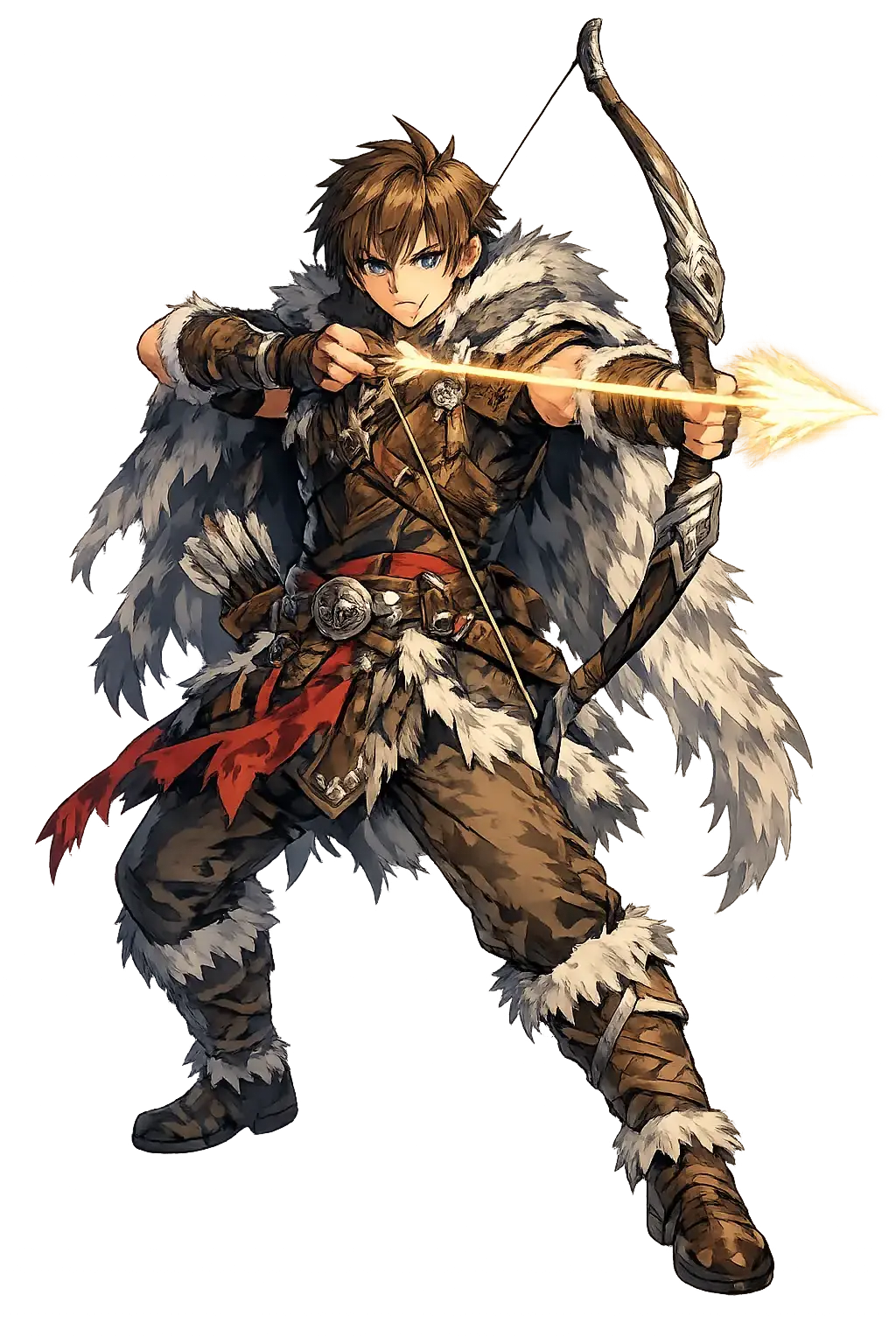
The provenance file on Váli
Catalogue entry — Váli. Every claim below carries its chain of custody.
Provenance
1. The attestation. ᚢᛅᛚᛁ, from the tradition's own record. On record: Poetic Edda, Völuspá, Poetic Edda, Baldrs draumar, Poetic Edda, Vafþrúðnismál 51 (Rindr bears Váli), Snorri Sturluson, Prose Edda, Gylfaginning 49–50, 53.
2. The preserved evidence. a → á (Stress on a) — absent from the ASCII form vali, present in the restoration, verifiable against the sources above.
3. The narrative record. The Ride to Hel — The tragedy begins before Váli is conceived. After Baldr's dreams forebode his death, Óðinn saddles Sleipnir and rides to the eastern gate of Hel's hall, where he wakes a dead seeress with the songs of the dead (Baldrs draumar). Born for Vengeance — Snorri's Gylfaginning (49) tells the deed. When the ransom of Baldr fails — thwarted by Loki, who took the shape of a giantess in Hel — vengeance becomes the remaining duty.
4. The current holding. The temple at /vali/, classified Tier 1. What survives here cannot be shown in ASCII: a feature of the original that the fallback alphabet flattens. That is the Tier-1 test, and this name passes it without argument.
5. The documented resonances. Legal, Justice & Compliance, Defense, Military & Security, Disaster Resilience & Recovery — seats argued and weighted in the pattern atlas, read through the myths in this temple's Resonance File.
6. The primary sources. Poetic Edda, Prose Edda — the library this file answers to, open at the Sacred Texts collection.
7. The continuing record. Váli remains a minor but haunting figure in modern retellings of Norse myth. He embodies the idea that some violence is inescapable, that vengeance can be both righteous and tragic — a whole life compressed into a single duty.
At a Glance
- Restored name: Váli
- ASCII form: vali
- Meaning: "The chosen"
- Domain of influence: Vengeance, Son of Odin
- Pantheon: Norse
- Classification: Tier 1
- Original script: ᚢᛅᛚᛁ
- Series: The Restoration Files, No. 511 of 546
The Emblems
The name does not travel alone. Bow — The weapon with which he avenges Baldr.; Mistletoe — The plant that killed Baldr and set Váli's vengeance in motion.; Wolf — Loki's son Váli is transformed into a wolf to tear his brother Nari (Narfi) — a namesake of Óðinn's son.. Each emblem is filed in the temple's record with its own provenance, the same discipline the spelling gets.
For the Voice
'WAH-lee' — begin with a 'w' as in 'water', hold the 'ah' long, and end with a light 'lee'. The reconstructed line runs `/ˈwɑːli/` — the temple's pronunciation atlas carries the phonemes one by one.
The Discipline It Answers To
This restoration belongs to Norse, a tradition that wrote its endings down in advance and sang them anyway. The rules that govern it are not house style; they are the tradition's own scholarship, applied with the same care here as in any edition — and published, with the sources, so the file can be checked the way an edition can be checked. What survives here cannot be shown in ASCII: a feature of the original that the fallback alphabet flattens. That is the Tier-1 test, and this name passes it without argument.
The File Continues
Read the founding dispatch for the name's full story, the Resonance File for the archetype at work — or the whole archive in one sitting.
Continue the series — previous file: Valhǫll (read it here) · next file: Vanaheimr (read it here).
The Restoration Files are written from the same canonical record as the temples themselves: the lexicon, the lore catalog, the pattern atlas, and the cited scholarly sources. If a file ever disagrees with its temple, the temple is right — tell us, and the file will be corrected.