PuniCodex

Extended Lore

鵜草葺不合命 Ugayafukiaezu

Etymology · Phonology · Orthography · Cultural Legacy · Primary Sources

Tier 2 Ugayafukiaezu
Ugayafukiaezu — Ancestor of Jimmu
01

Quick Facts

Essential information about Ugayafukiaezu, Ancestor of Jimmu

Original Script鵜草葺不合命
Unicode RestorationUgayafukiaezu
Reconstructed Pronunciation/ɯ.ɡa.ja.fɯ.ki.a.e.zɯ/
PantheonJapanese
DomainAncestor of Jimmu
MeaningCormorant grass-thatching unfinished
ClassificationTier 2
Primary DomainUgayafukiaezu
Sacred SymbolsCormorant feathers, Thatching, Sea and land, Bow and fishhook
02

Etymology & Word Family

From original script to Unicode restoration

Original Script 鵜草葺不合命 Ugayafukiaezu — "Cormorant grass-thatching unfinished"
Unicode Restoration Ugayafukiaezu Restored stress, length, and script
Modern ASCII ugayafukiaezu Plain-ASCII fallback

Ugayafukiaezu is Tier 2: plain Hepburn. His strange name refers to a birth hut thatched with cormorant feathers and left unfinished. He is the immediate father of Emperor Jimmu.

03

Unicode Character Breakdown

Character-by-character philological analysis

CharacterUnicodeNameBlockPhonetic Role
UU+0055Latin Capital Letter UBasic LatinSame, capitalized
gU+0067Latin Small Letter GBasic LatinSame
aU+0061Latin Small Letter ABasic LatinSame
yU+0079Latin Small Letter YBasic LatinSame
aU+0061Latin Small Letter ABasic LatinSame
fU+0066Latin Small Letter FBasic LatinSame
uU+0075Latin Small Letter UBasic LatinSame
kU+006BLatin Small Letter KBasic LatinSame
iU+0069Latin Small Letter IBasic LatinSame
aU+0061Latin Small Letter ABasic LatinSame
eU+0065Latin Small Letter EBasic LatinSame
zU+007ALatin Small Letter ZBasic LatinSame
uU+0075Latin Small Letter UBasic LatinSame

The Tier 2 classification reflects how much of the original phonology this restoration preserves — stress and vowel length for Greek names, distinctive letters and diacritics for every other tradition.

04

Cultural Significance

From ancient cult to modern Unicode

Ancient Domain

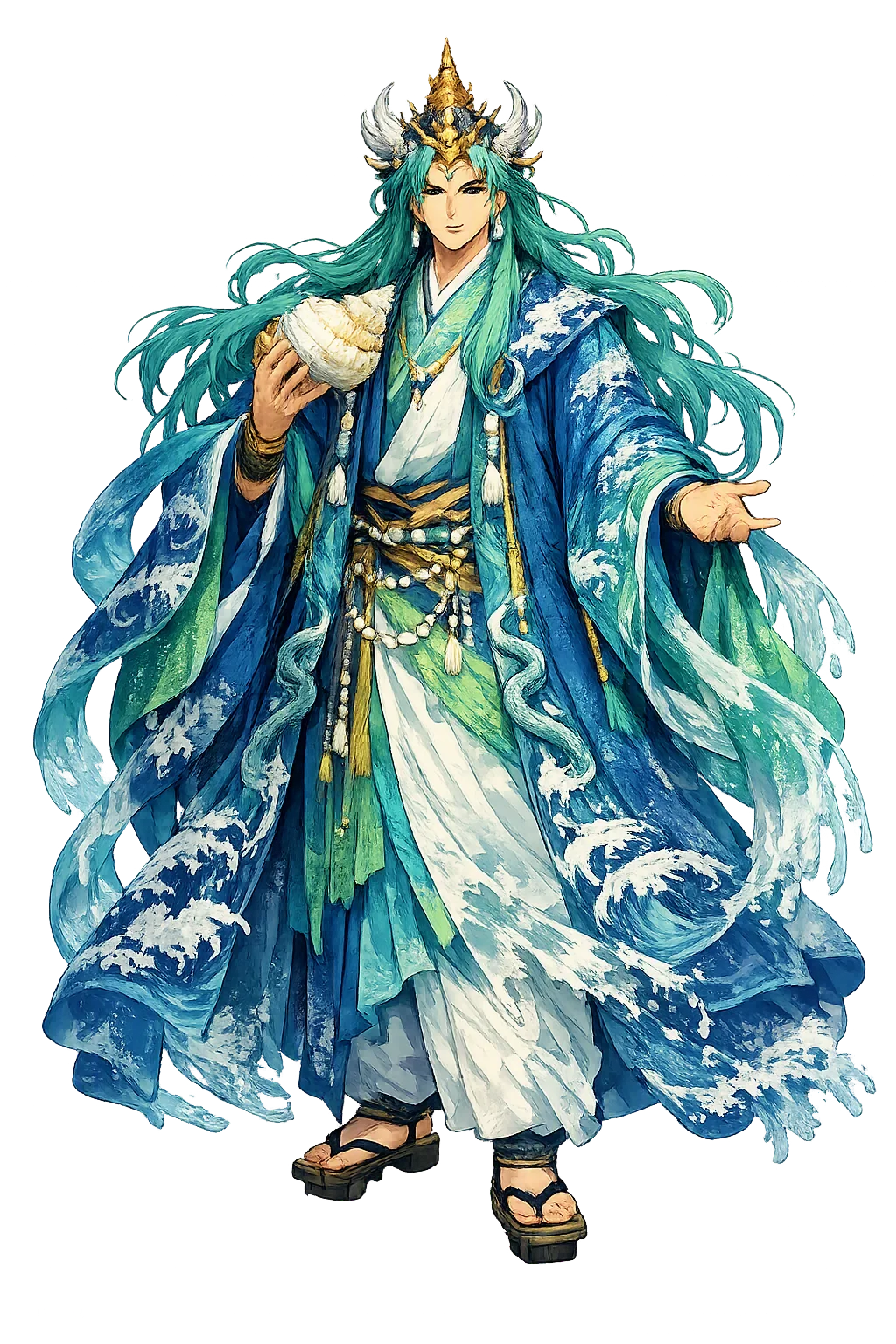
Ugayafukiaezu is one of the most strangely named figures in Japanese myth. His name describes the unfinished thatched hut, covered with cormorant feathers, in which he was born. As the son of Hoori and the sea princess Toyotama, and the father of Emperor Jimmu, he is the final link between the ocean depths and the imperial line.

Ugayafukiaezu in Later Traditions

Ugayafukiaezu is a genealogical figure whose strange name preserves the memory of archaic birth rituals and the alliance between sea and land. He has no independent cult but is essential to the imperial origin myth.

Modern Legacy

Ugayafukiaezu is little known outside mythological and genealogical contexts, but his name is one of the most discussed in Japanese myth because of its obscurity. It preserves a fragment of ritual vocabulary that has otherwise been lost.

Unicode Restoration as Cultural Act

Restoring Ugayafukiaezu in a domain name is more than orthographic accuracy. It is a statement that the internet should recognize the full range of human writing — not only the ASCII keyboard.

05

Frequently Asked Questions

Common questions about Ugayafukiaezu, Ancestor of Jimmu, and Unicode restoration

01How do you pronounce Ugayafukiaezu?

In reconstructed pronunciation, Ugayafukiaezu is /ɯ.ɡa.ja.fɯ.ki.a.e.zɯ/ — approximately 'OO-gah-yah-foo-kee-ah-eh-zoo' — many light syllables; the 'f' is soft, made with both lips..

02What does Ugayafukiaezu mean?

Ugayafukiaezu means Cormorant grass-thatching unfinished in the japanese tradition.

03What are the symbols of Ugayafukiaezu?

Ugayafukiaezu is associated with Cormorant feathers (The material of the unfinished birth hut), Thatching (The incomplete covering that gives him his name), Sea and land (His dual heritage from Toyotama and Hoori), Bow and fishhook (The paternal and maternal gifts that define his line).

04Why restore Ugayafukiaezu in Unicode?

Plain ASCII ugayafukiaezu strips the stress, length, and script that make the name specific. Unicode restoration returns the name to its original written dignity.

05What is the most important myth about Ugayafukiaezu?

After Toyotama returned to the sea, her son Ugayafukiaezu was born in a thatched hut. The name describes the hut's covering of cormorant feathers and its unfinished state. Toyotama's sister Tamayori came from the sea to raise him.

06

Scholarly Sources

The philological foundations of this restoration

Every claim on this page is grounded in established scholarship. The orthographic restorations follow disciplinary convention. The etymological chain follows the best available reference works. This is not invention — it is resurrection through scholarship.

Lexicography & Philology

  • Kojiki
  • Nihon Shoki

Primary Texts

  • Kojiki (Hoori, Toyotama, and Ugayafukiaezu cycle)
  • Nihon Shoki (parallel genealogy)
  • Philippi, Kojiki

Archaeology & Art History

  • Material evidence — iconography, inscriptions, and temple archaeology — for Ugayafukiaezu and related cults.
  • Ugayafukiaezu has no independent material cult. His significance is textual and genealogical, preserved in the Kojiki's account of the imperial lineage.

Religious Studies

  • Comparative studies of japanese religion and the place of Ugayafukiaezu within it.
Return

The Surface Awaits

You have traced the name from its earliest attestation to its Unicode restoration. Now return to the myth. The story is where the name lives.

Back to Lore
Ugayafukiaezu mascot