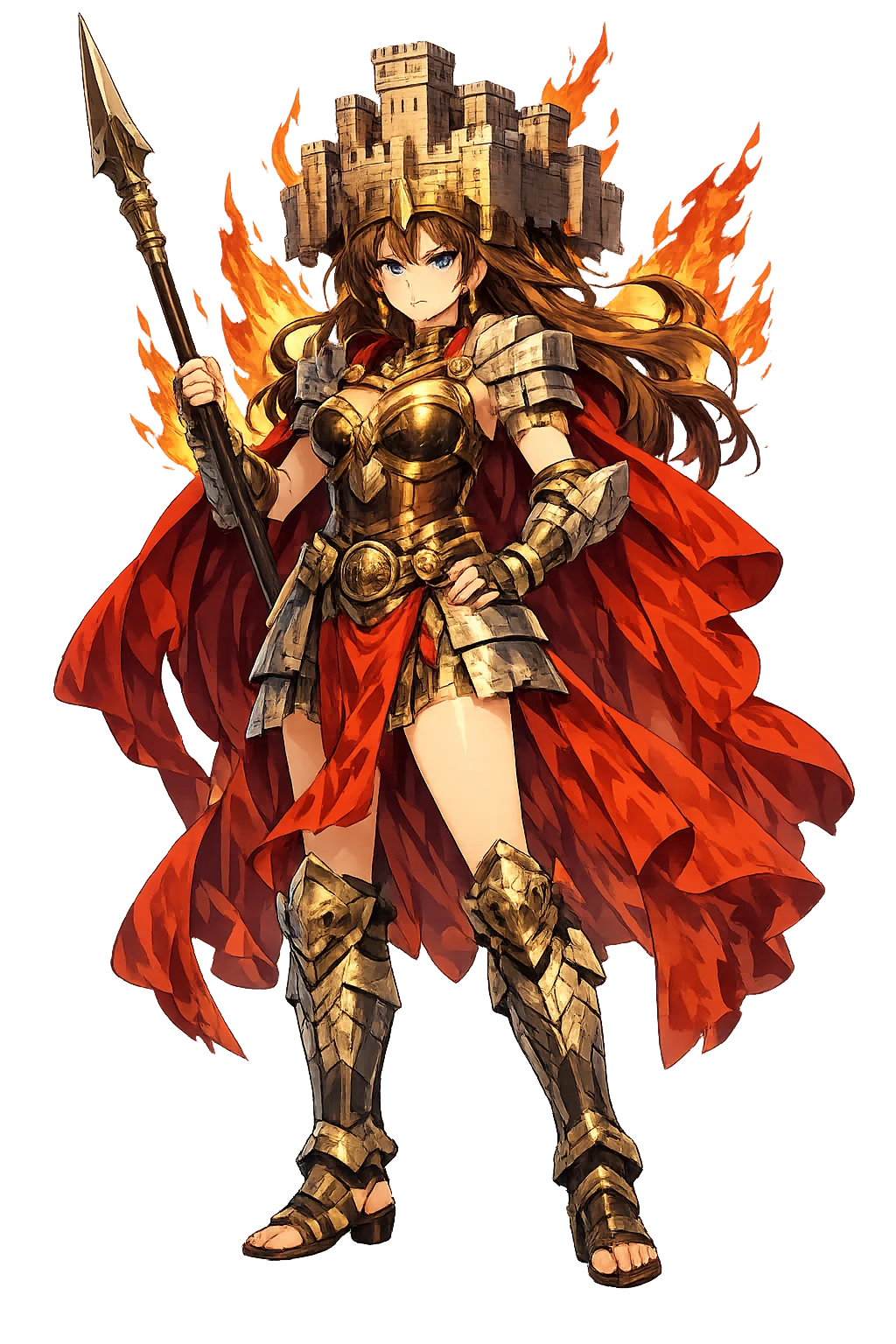
Troíā is the city that teaches what walls cannot do. Gods built hers; a story breached them. Every culture that has traced its ancestry to her fall has understood the lesson: the defeated city outlived all its conquerors because it alone became a story that everyone, including its enemies, needed to tell.
Her deepest lesson is the one the victors learned first: that a story is stronger than a wall. The Greeks won the war and spent three thousand years inside the city's aftermath — and Rome, wiser than all of them, simply claimed to be her. Every culture since has faced the same choice at her gate: to besiege the past, or to inherit it.
The Hittite letter and the burned layer do not prove the Iliad — nothing could — but they do the more valuable thing: they give the song an address. Every retelling since has been a kind of excavation, brushing the myth to find the memory underneath, and every excavator has found what Schliemann found: that a story told long enough and loved enough becomes true in the only way that finally matters — people build on it.
Every autumn the plain floods a little, as the Scamander remembers its old bed, and the mound stands in the water-meadow like the ship of the story it carries — nine cities deep, one name, and still unsinkable.
And the plain is quiet now, the way famous battlefields are — which is its own testimony: the war ended, the song did not.