PuniCodex

Extended Lore

ᚦᚱᚢᚦᚱ Þrúðr

Etymology · Orthography · Cult · Iconography · Reception · Sources

Tier 1 Þrúðr.com
Þrúðr — Strength, Daughter of Thor
01

Quick Facts

Essential information about Þrúðr, Strength, Daughter of Thor

Original Scriptᚦᚱᚢᚦᚱ
Unicode RestorationÞrúðr
Reconstructed Pronunciation/ˈθruːðr/
PantheonNorse
DomainStrength, Daughter of Thor
MeaningStrength, power
ClassificationTier 1
Primary DomainÞrúðr.com
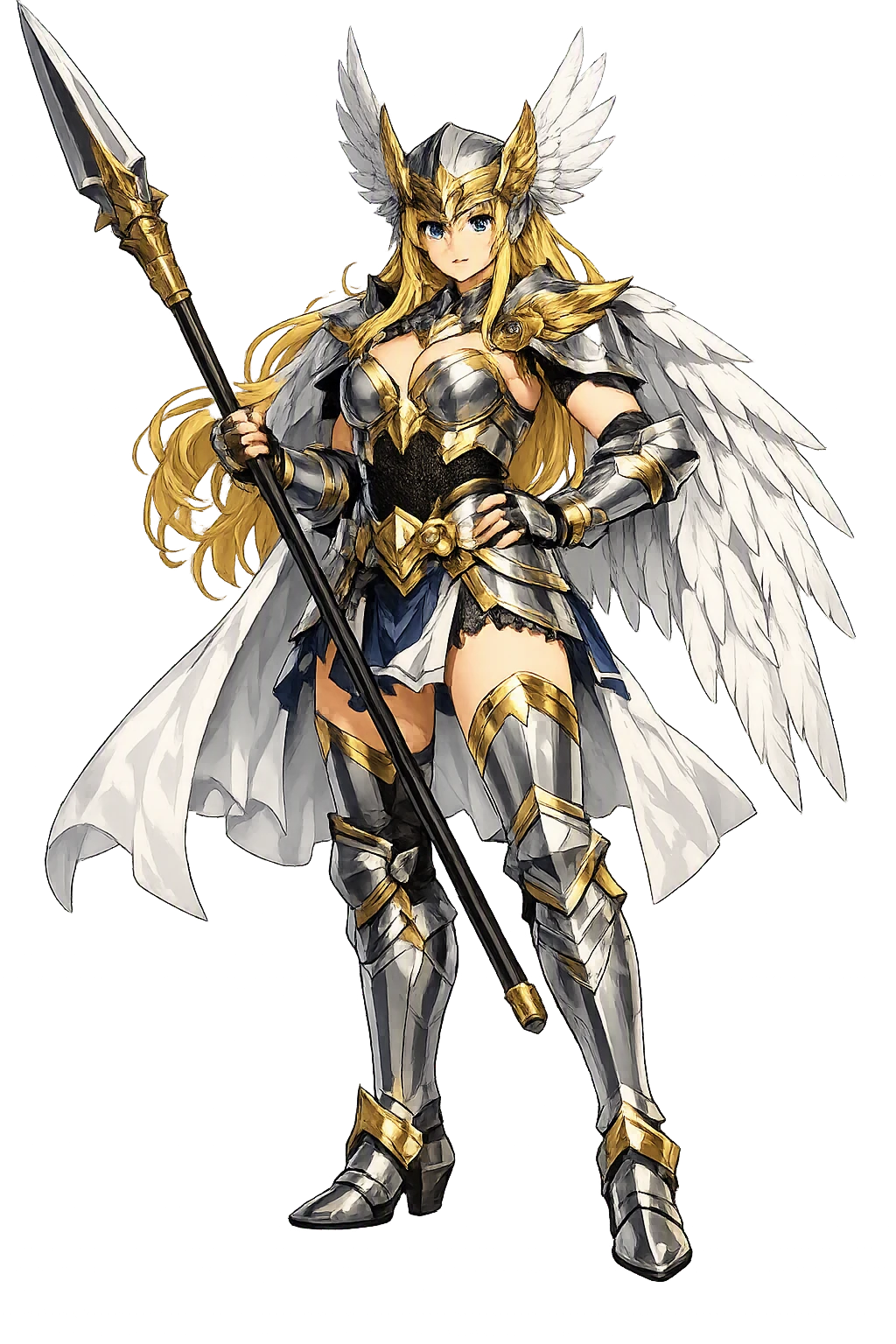
Sacred SymbolsThunderbolt or lightning, Shield and spear, The runic name Þrúðr, Long golden hair
02

Etymology & Word Family

From original script to Unicode restoration

Proto-germanic *þrūþiz strength
Original Script ᚦᚱᚢᚦᚱ Þrúðr — "Strength, power"
Unicode Restoration Þrúðr Restored stress, length, and script
Modern ASCII thrudr Plain-ASCII fallback

Old Norse Þrúðr, daughter of Thor and Sif, whose name means "strength, power"; cognate with Old English þrýð.

03

Unicode Character Breakdown

Character-by-character philological analysis

CharacterUnicodeNameBlockPhonetic Role
ÞU+00DELatin Capital Letter ThornLatin-1 SupplementThorn: voiceless dental fricative
—N/ADropped characterNorse orthographyDropped: merged with t into thorn
rU+0072Latin Small Letter RBasic LatinSame
úU+00FALatin Small Letter U with AcuteLatin-1 SupplementAcute on u
ðU+00F0Latin Small Letter EthLatin-1 SupplementEth: voiced dental fricative
rU+0072Latin Small Letter RBasic LatinSame

The Tier 1 classification reflects how much of the original phonology this restoration preserves — stress and vowel length for Greek names, distinctive letters and diacritics for every other tradition.

04

Cult & Worship

How the sacred was kept — rites, sanctuaries, remains

The Cult

Þrúðr's cult is thin but not invisible — it is carved in stone once, on the Karlevi runestone on Öland (c. 1000 CE), where a dead chieftain is praised in a full skaldic stanza as Þrúðar þegn, thane of Þrúðr: a servant of the strength-goddess, an epithet implying her name was invoked in aristocratic warrior devotion even if no temple to her existed. Skáldskaparmál 4 lists her among Þórr's children, and Grímnismál 36 counts her in the valkyrie roster; a daughter — often identified with her, though the poem does not name her — is promised to the dwarf Alvíss in Alvíssmál. No festival or priesthood is known. The rest is silence, of a loud kind.

In the Earth

Þrúðr is primarily a textual figure, but her name appears materially on the Karlevi runestone (Öl 1) on Öland, Sweden, c. 1000 CE. No image or temple can be securely identified with her. Her wider presence is in the Eddic manuscripts and the skaldic poetry that praised dead warriors as her servants.

05

Iconography

How Þrúðr was imaged across the ages

The Image

No image certainly of Þrúðr survives — but her type is everywhere in Viking art. As a valkyrie she belongs to the best-attested female iconography of the North: the woman who steps forward with a drinking-horn to greet the warrior on horseback, carved on the Gotland picture stones of the eighth and ninth centuries — Tjängvide, Stora Hammars — now kept in Visby's museum; armed women of the same sisterhood appear among the rider figures of the Swedish memorial stones and in the borders of the Oseberg tapestry. The texts dress her with her inheritance: her father Þórr's storm, her mother Sif's long gold hair, the weapons of a chooser of the slain. Specific as she is by name, her ancient face survives only as one of these armed, welcoming women.

06

Reception & Transformation

The name after its own age — transmission, translation, survival

Afterlives

Þrúðr's name had a second life as a word: Old Norse þrúðr, strength, runs through the skaldic corpus as a common noun, so every stanza that praises a king's might keeps her name alive without meaning to — the dictionaries preserve the double entry, goddess and word side by side. As a figure she travelled the standard road of the Edda's daughters: the Codex Regius (c. 1270) for Grímnismál, Snorri's Skáldskaparmál, then the antiquarian print age of Resen's 1665 Edda and the nineteenth-century translations that made Þórr's household famous in England. The Karlevi stanza, meanwhile, entered the canon of runology: nineteenth-century editors — Bugge in Norway, Brate and Wimmer in Sweden — copied and explicated it as one of the most ambitious inscriptions ever cut in stone, so her thane is quoted wherever dróttkvætt verse is taught. In modern Iceland her name returned as a girl's given name: the word made flesh a second time.

Identifications Across Traditions

Þrúðr has no foreign cult, but her type — the divine daughter who personifies an abstract quality inherited from her father — is common. Greek Bia and Kratos are the personified forces of Zeús; Roman Virtus is the manly courage that attends Mars. Within Norse mythology she is paired with her brothers Magni and Móði, the sons of Þórr who survive Ragnarǫk and inherit his hammer. Þrúðr is the feminine bearer of that same strength, present both in the divine family and on the battlefield.

Modern Legacy

Þrúðr survives in the modern Icelandic given name Þrúður and in popular retellings of Norse myth, where she is often cast as a warrior maiden or Valkyrie. In Marvel Comics and related media, a version of her appears as Thor's daughter, drawing on the Eddic hint. Modern Heathen and Ásatrú practice sometimes invokes her for physical strength, endurance, and the will to persist. Restoring Þrúðr preserves the thorn, long vowel, and eth that make her name a visible claim of Norse force.

07

The Meditation

What Þrúðr means — beyond the dictionary

Þrúðr is strength with a face. In a culture that valued physical courage above almost every other virtue, her name was a compliment and a boast: to be Þrúðr's servant was to be unbreakable. She asks us to consider what strength is for — whether it serves the storm, the battle, or the long endurance that outlasts both.

As a Valkyrie and a daughter, she stands at the intersection of family inheritance and chosen service. She did not choose her father, but she chooses the slain. That double belonging is the human condition: we inherit our bodies, but we decide what to do with them.

08

Frequently Asked Questions

Common questions about Þrúðr, Strength, Daughter of Thor, and Unicode restoration

01How do you pronounce Þrúðr?

In reconstructed pronunciation, Þrúðr is /ˈθruːðr/ — approximately 'THROOTH-r' — the first syllable is long and stressed, with the 'th' of 'thin' and a long 'oo' sound; the final 'r' is lightly pronounced.

02What does Þrúðr mean?

Þrúðr means Strength, power in the norse tradition.

03What are the symbols of Þrúðr?

Þrúðr is associated with Thunderbolt or lightning (The inheritance of her father Þórr), Shield and spear (The arms of the Valkyrie who chooses the brave), The runic name Þrúðr (The word for strength carved as a token of power), Long golden hair (Her mother Sif's most famous attribute, passed to the daughter).

04Why restore Þrúðr in Unicode?

Plain ASCII thrudr strips the stress, length, and script that make the name specific. Unicode restoration returns the name to its original written dignity.

05What is the most important myth about Þrúðr?

“The Daughter in the Catalogue” — the Skáldskaparmál 4 story that anchors the mythology of Þrúðr, told in full on the lore page.

09

Scholarly Sources

The philological foundations of this restoration

Every claim on this page is grounded in established scholarship. The orthographic restorations follow disciplinary convention. The etymological chain follows the best available reference works. This is not invention — it is resurrection through scholarship.

◈

Lexicography & Philology

  • Cleasby-Vigfusson
◎

Primary Texts

  • Poetic Edda
  • Prose Edda
  • Prose Edda: Skáldskaparmál 4 (Þórr as "father of Magni and Móði and Þrúðr")
  • Poetic Edda: Grímnismál 36 (Þrúðr in the valkyrie roster); Alvíssmál (the dwarf suitor)
◉

Archaeology & Art History

  • Material evidence — iconography, inscriptions, and temple archaeology — for Þrúðr and related cults.
✦

Religious Studies

  • Karlevi runestone, Öl 1 (Þrúðar þegn — the thane of Þrúðr)
  • Cleasby–Vigfusson, An Icelandic-English Dictionary, s.v. Þrúðr, þrúðr
  • Simek, Dictionary of Northern Mythology, s.v. Þrúðr; Lindow, Norse Mythology: A Guide, s.v. Þrúðr
Return

The Surface Awaits

You have traced the name from its earliest attestation to its Unicode restoration. Now return to the myth. The story is where the name lives.

Back to Lore
Þrúðr mascot