
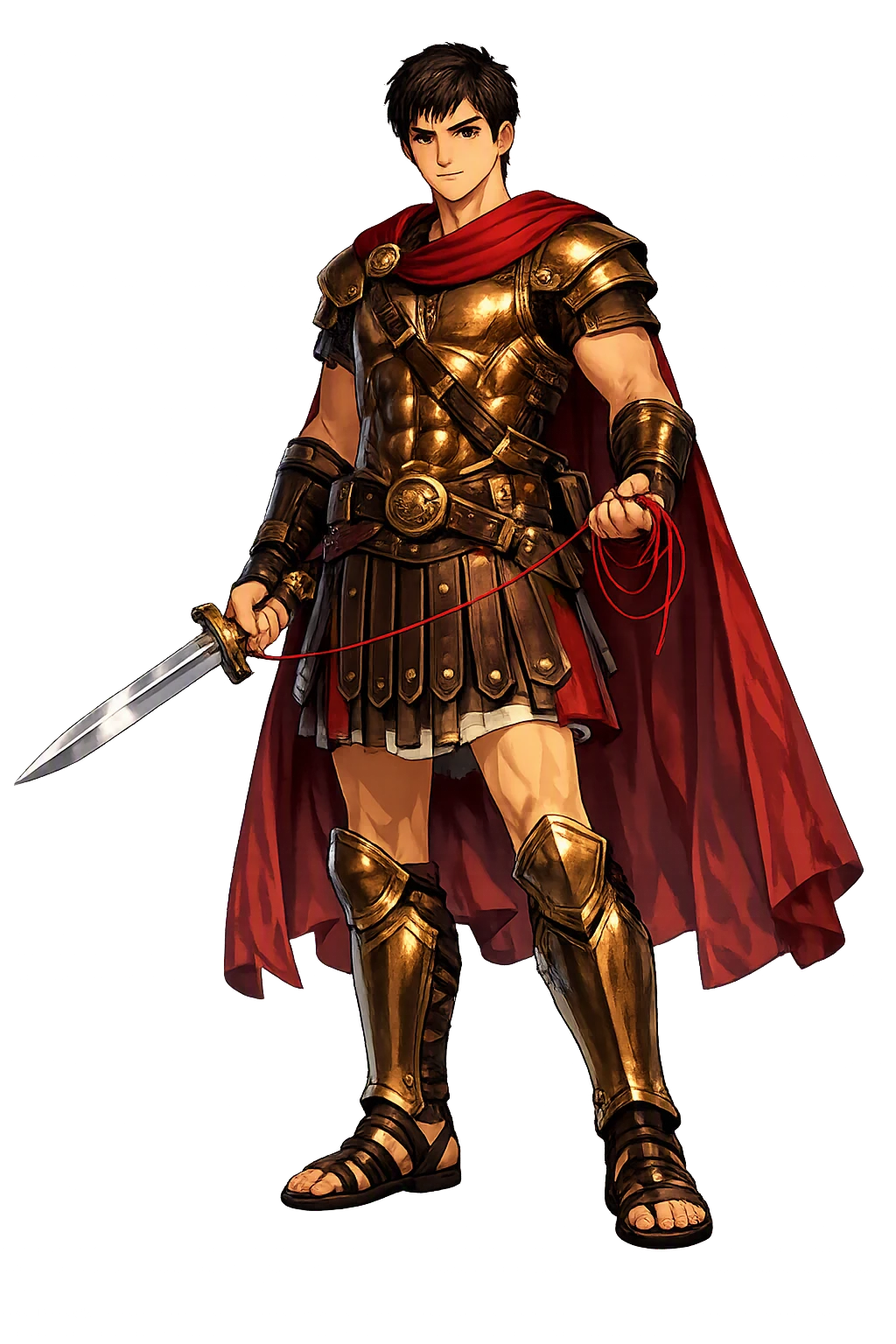
Why Thēseus is spelled that way — and what it costs to get it right
There is a version of this name the early internet had to settle for: theseus. This is the file on how Thēseus replaced it.
Thēseus's biography is the most complete 'life' of any Greek hero: the ephebic labours on the road, the Cretan expedition, the unification of Attica, the Helen abduction, the descent to Hades, and a squalid death on Skyros. Plutarch wrote his Life pairing him with Romulus; Athenian democracy wrote him first.
At a Glance
- Restored name: Thēseus
- ASCII form: theseus
- Meaning: "The Gatherer (from τίθημι)"
- Domain of influence: Heroism, Athens, Labours
- Pantheon: Greek
- Classification: Tier 1
- Original script: Θησεύς
- Series: The Restoration Files, No. 485 of 548
The Name Before the Marks
The name is attested as Θησεύς, on the evidence Plutarch, Life of Theseus and Apollodorus, Bibliotheca Epitome 1.1–24 set down. On the evidence, it means "The Gatherer (from τίθημι)".
Strip Thēseus to theseus and one piece of evidence vanishes:
- e → ē — Eta: long epsilon: the vowel length the ASCII form cannot show.
None of these marks is decoration. Each one is a fact about how the name was spoken, and each one is checkable against the scholarly record the temple cites.
Spoken, the name runs `/tʰɛː.ˈseu̯s/` — 'tay-SEWS' — aspirate the initial 'th' as you release it, hold the first vowel long, and glide the 'ew' into a single syllable. The pitch peaks on the second syllable, matching the Greek.
The Temple That Stands Now
The restored name is not a plaque; it is an address. The temple of Thēseus lives at /theseus/, with its mythology in the lore halls, its peer-reviewed record in the Scholarly Edition, and its place in the pattern atlas on the patterns floor.
What survives here cannot be shown in ASCII: a feature of the original that the fallback alphabet flattens. That is the Tier-1 test, and this name passes it without argument.
Where the Name Stood First
The Theseion in the Athenian agora held Kimon-recovered bones after 476/5 BCE, with wall-paintings of the Amazonomachy, the underworld rescue, and the Centauromachy (Pausanias 1.17.2–6; Plutarch, Kimon 8; Theseus 36). Plutarch also records that his shield, dedicated to the god, was preserved at Delphi (Theseus 36). Attic black-figure and red-figure vases from the sixth century BCE onward narrate the brigand cycle, the Cretan expedition, and the Amazonomachy — the 'ephebic' Theseus is one of the most popular heroic subjects in Athenian vase-painting, a visual counterpart to the initiationist reading. On Crete nothing of Thēseus himself exists; but the labyrinth-palace of Knossos, with its storerooms and corridors, underlies the entire myth — the historical seed inside the story. The temple on the web is the newest of these addresses — the first one that fits in a pocket.
The Archetype at Work
The pattern atlas seats this temple in 7 industries, each match argued and weighted: Mythic Name Restoration (the Athenian hero in long-vowel Greek form.); Travel, Tourism & Place Branding (athens, the labyrinth at Knossos, and the road from Troizen are still on the myth-tourism map.); Diacritic-First Domains (the macron on Thēseus restores the long eta of the Greek hero.). The Resonance File reads those seats through the myths themselves.
In the Sacred Texts
The Greek tradition is not a vibe; it is a library. The Sacred Texts collection holds Theogony, Homeric Hymns, and Works and Days — the primary sources the temple's scholarship is built on. The temple is the argument; the texts are the evidence.
The File Continues
The temple's founding dispatch tells the name's story; its Resonance File reads the myths into the industries; the blog index holds the whole archive.
Continue the series — previous file: Thémis (read it here) · next file: Þórr (read it here).
The Restoration Files are written from the same canonical record as the temples themselves: the lexicon, the lore catalog, the pattern atlas, and the cited scholarly sources. If a file ever disagrees with its temple, the temple is right — tell us, and the file will be corrected.