PuniCodex

Extended Lore

Σφίγξ Sphínx

Etymology · Phonology · Orthography · Cultural Legacy · Primary Sources

Tier 2 Sphínx.com
Sphínx — Riddling Monster
01

Quick Facts

Essential information about Sphínx, Riddling Monster

Original ScriptΣφίγξ
Unicode RestorationSphínx
Reconstructed Pronunciation/spʰíŋks/
PantheonGreek
DomainRiddling Monster
MeaningStrangler
ClassificationTier 2
Primary DomainSphínx.com
Sacred SymbolsLion's body, Wings, Woman's head, Cliff or gate
02

Etymology & Word Family

From original script to Unicode restoration

Original Script Σφίγξ Sphínx — "Strangler"
Unicode Restoration Sphínx Restored stress, length, and script
Modern ASCII sphinx Plain-ASCII fallback

The PUNICODEX form Sphigx restores the Greek consonant cluster γξ as gx, matching the scholarly transliteration of Σφίγξ. The more common English spelling 'Sphinx' flattens the gamma to n; the Sphigx form keeps the etymological strangling cluster visible.

03

Unicode Character Breakdown

Character-by-character philological analysis

CharacterUnicodeNameBlockPhonetic Role
SU+0053Latin Capital Letter SBasic LatinSame, capitalized
pU+0070Latin Small Letter PBasic LatinSame
hU+0068Latin Small Letter HBasic LatinSame
íU+00EDLatin Small Letter I with AcuteLatin-1 SupplementAcute on i (Σφίγξ)
nU+006ELatin Small Letter NBasic LatinSame
xU+0078Latin Small Letter XBasic LatinSame

The Tier 2 classification reflects how much of the original phonology this restoration preserves — stress and vowel length for Greek names, distinctive letters and diacritics for every other tradition.

04

Cultural Significance

From ancient cult to modern Unicode

Ancient Domain

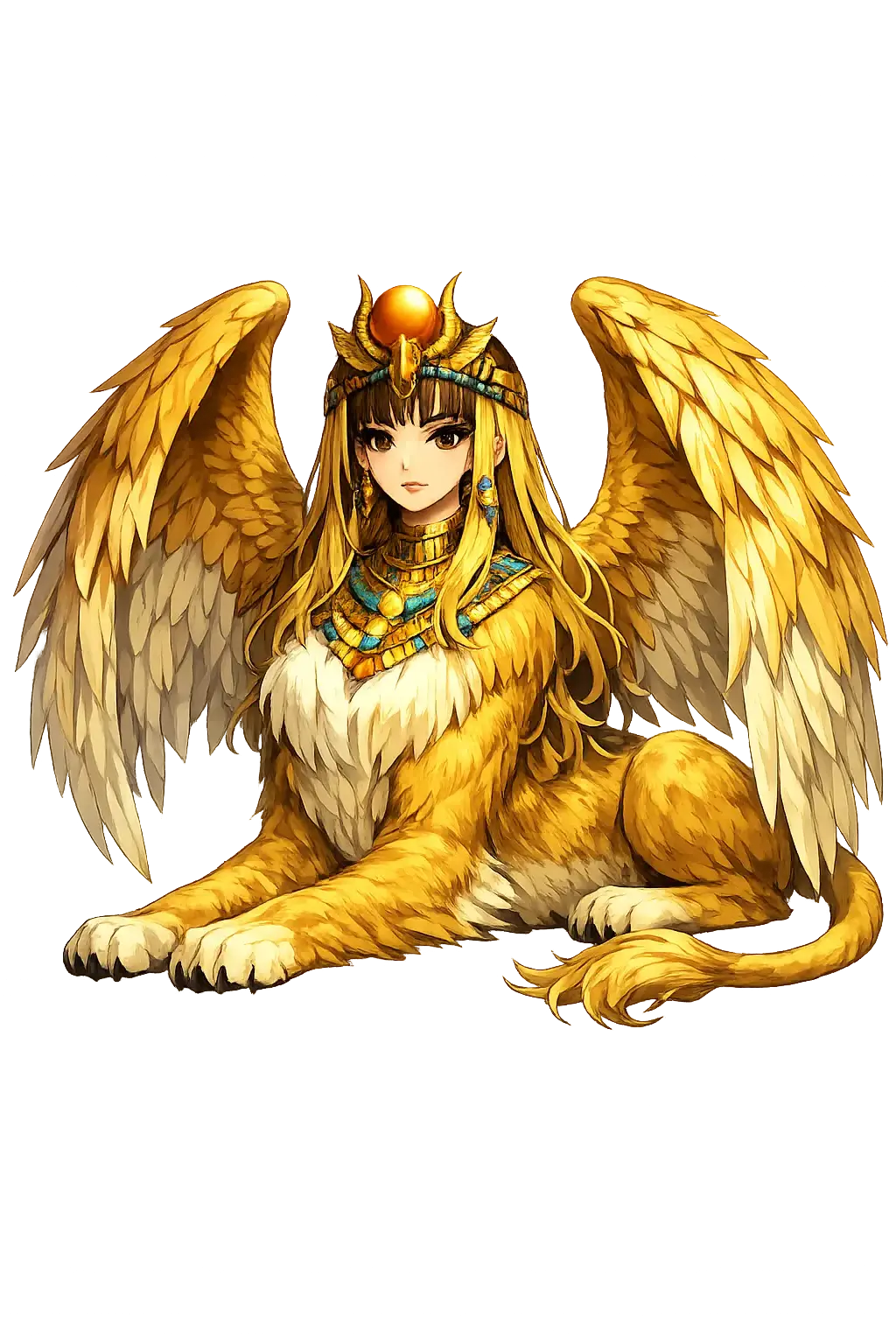
The Sphinx is the winged lion-woman who crouched outside Thebes and strangled those who could not answer her riddle. She is not merely a monster but a guardian of thresholds: the creature who bars entry until the traveller proves worthy of understanding.

Sphínx in Later Traditions

The Greek Sphinx merged with the much older Egyptian sphinx guardian, and the composite figure travelled through Roman, Byzantine, and Renaissance art. In medieval Europe the sphinx became a symbol of sin, especially deceit and luxury. By the Enlightenment it had become the emblem of enigma itself, and modern psychology borrowed the 'Riddle of the Sphinx' as a metaphor for the Oedipus complex.

Modern Legacy

The Sphinx is one of the most durable images in world art. The Great Sphinx of Giza remains an icon of ancient Egypt, while the Greek riddling sphinx dominates literature from Sophocles to Freud. The word itself has become a verb for any mysterious or inscrutable presence. In popular culture the sphinx appears as gatekeeper, puzzle-master, and symbol of ancient wisdom, preserving the ancient idea that knowledge is the price of passage.

Unicode Restoration as Cultural Act

Restoring Sphínx in a domain name is more than orthographic accuracy. It is a statement that the internet should recognize the full range of human writing — not only the ASCII keyboard.

05

Frequently Asked Questions

Common questions about Sphínx, Riddling Monster, and Unicode restoration

01How do you pronounce Sphínx?

In reconstructed pronunciation, Sphínx is /spʰíŋks/ — approximately 'SFINGKS' — aspirate the 'p' as you release it, stress the first syllable, and end with a sharp 'ks'..

02What does Sphínx mean?

Sphínx means Strangler in the greek tradition.

03What are the symbols of Sphínx?

Sphínx is associated with Lion's body (Royal power and the dangerous strength of the threshold guardian.), Wings (The aerial, predatory nature of the creature; she strikes from above.), Woman's head (Intelligence and speech, the source of the deadly riddle.), Cliff or gate (The liminal place between safety and destruction.).

04Why restore Sphínx in Unicode?

Plain ASCII sphinx strips the stress, length, and script that make the name specific. Unicode restoration returns the name to its original written dignity.

05What is the most important myth about Sphínx?

The Sphinx was born from Echidna, the half-woman half-serpent, and Typhon, the storm-giant who once challenged Zeus. Her siblings included Cerberus, the Hydra, and the Nemean Lion. She inherited her mother's hybrid form and her father's destructive temper, a perfect engine of ordeal.

06

Scholarly Sources

The philological foundations of this restoration

Every claim on this page is grounded in established scholarship. The orthographic restorations follow disciplinary convention. The etymological chain follows the best available reference works. This is not invention — it is resurrection through scholarship.

Lexicography & Philology

  • Sophocles
  • Liddell, H. G., Scott, R., & Jones, H. S. A Greek-English Lexicon. Oxford: Clarendon Press, 9th ed. 1996.

Primary Texts

  • Sophocles, Oedipus Tyrannus
  • Apollodorus, Bibliotheca
  • Hesiod, Theogony

Archaeology & Art History

  • Material evidence — iconography, inscriptions, and temple archaeology — for Sphínx and related cults.

Religious Studies

  • LSJ (Liddell-Scott-Jones)
  • Wilkinson, The Complete Gods and Goddesses of Ancient Egypt
Return

The Surface Awaits

You have traced the name from its earliest attestation to its Unicode restoration. Now return to the myth. The story is where the name lives.

Back to Lore
Sphínx mascot