Unicode restoration and ASCII comparison
Trengtreng
The name survives in scholarly transliteration. Trengtreng is the standard Incan romanisation, documented in academic sources — “Mapuche thunder and war god”. Because the spelling uses only Latin letters, the form is the same in both ASCII and Unicode.
No indigenous writing system is securely attested for individual incan names. The form shown is a modern scholarly transliteration.
trengtreng
The plain trengtreng form is identical to the Unicode restoration. Because this name is already written in Latin letters, no diacritics, stress, or script information were lost — only capitalization differs.
Trengtreng
The Unicode restoration does not need to recover lost marks for Trengtreng. Its value is canonical spelling and consistent cataloguing, not the reconstruction of erased orthography. The domain is readable as-is to both DNS and humanity.
Trengtreng.com → trengtreng.com
The non-ASCII characters in Trengtreng are encoded while the ASCII remains visible. To the DNS, it is Punycode. To humanity, it is Trengtreng.
How Trengtreng is preserved in writing
No indigenous writing system is securely attested for individual incan names. The form shown is a modern scholarly transliteration.
Contribute scholarly provenance →How Trengtreng was spoken
Volcanic refuge raised above the flood
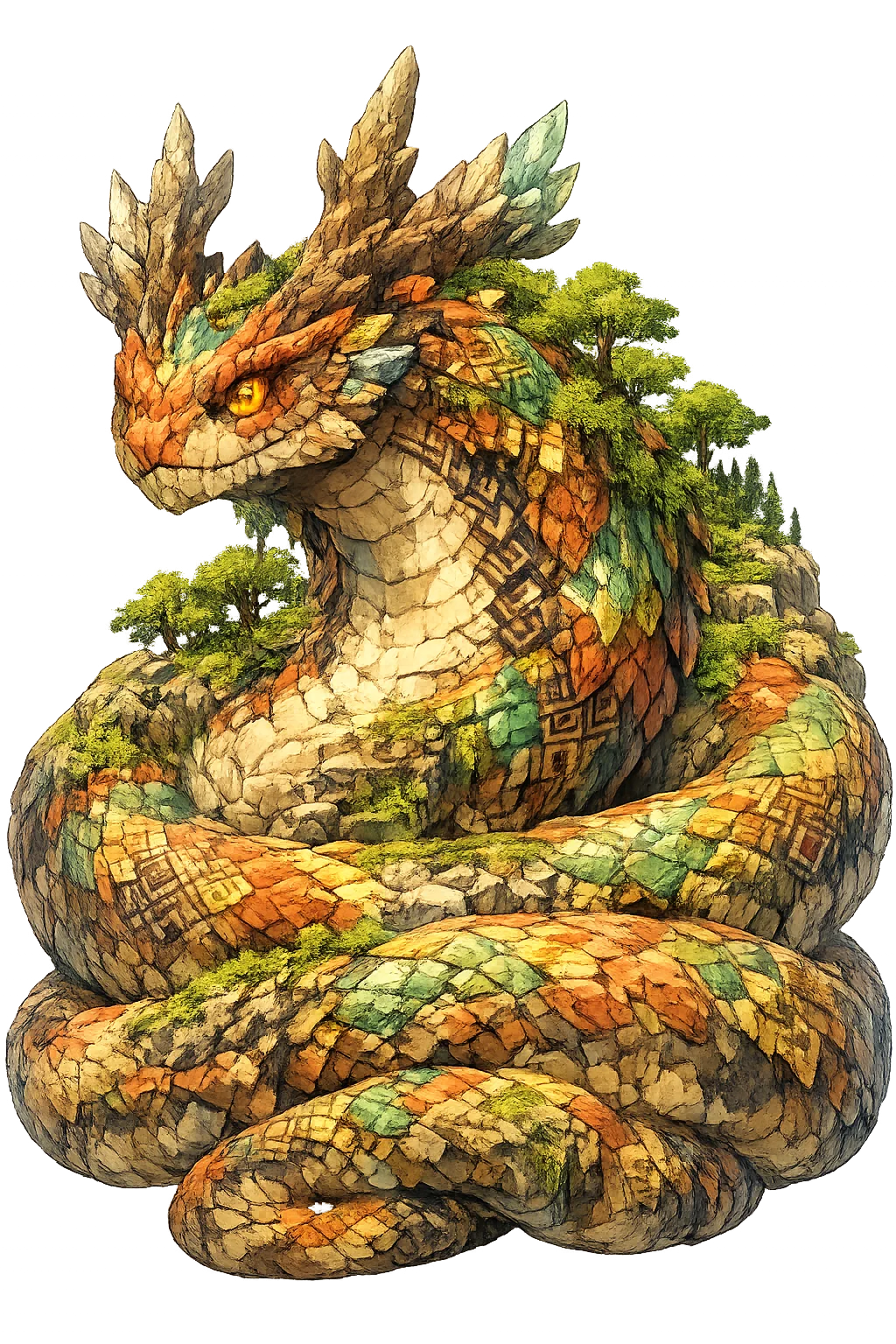
Trengtreng is the Mapuche thunder-and-war spirit whose name crackles like the storms that roll across the southern Andes. Together with Kai-Kai, the volcanic peak that bore survivors above the primordial flood, he embodies the living power of the earth and the warrior spirit that protected the first Mapuche communities.
The reduplicated name is onomatopoeic for rolling thunder; the spirit's voice is heard in storms and volcanic eruptions.
Trengtreng is one of the volcanic peaks raised by Pillan to save the people from the primordial deluge.
As a war deity, Trengtreng lends strength to Mapuche fighters and is associated with the striking power of the macana.
Those who climbed the sacred peaks during the flood became the ancestors of later Mapuche communities.
Stories of Trengtreng
Trengtreng is a sacred volcanic peak in Mapuche cosmology, one of the primordial heights raised during the great flood. Together with its counterpart Kai-Kai, it embodies the volcanic forces that shaped the southern Andes and the sacred geography that still anchors Mapuche identity.
Mapuche tradition tells of a primordial deluge sent by the water spirit Cai-Cai Vilu. To save the people, the thunder spirit Pillan raised high mountains: Trengtreng and Kai-Kai became refuges above the floodwaters. Those who reached the heights survived; the myth thus links volcanic peaks to ancestry, rescue, and the division of the world.
Pillan, the Mapuche thunder and volcano spirit, is associated with the eruptions and earthquakes of the Andes. The voice of the volcano is his voice, and its fire is his power. Trengtreng, as one of his raised places, is therefore not merely a mountain but a seat of divine presence and a reminder of the earth's living force.
The survivors who climbed Trengtreng and the other sacred peaks became the ancestors of later communities. The mountain thus functions as an origin place, a point where the present people connect to a mythic past of catastrophe and renewal. Pilgrimage and memory keep the peak active in Mapuche identity long after the flood has receded.
Today Trengtreng remains a landmark in the southern Andean landscape and a point of reference in Mapuche oral geography. Colonial chronicles such as Alonso de Ovalle's Histórica Relación del Reino de Chile record the name, and modern Mapuche communities continue to honour the mountains as kin, witnesses, and protectors.
The lore you have read is the surface — the living myth. Beneath it lies the scholarship: etymology, reconstructed pronunciation, Unicode character breakdown, and the cultural legacy of Trengtreng.
Enter Extended Lore