
Śakti — the one true spelling, and the forms that fail it
Evidence dossier 325 — Śakti. Every exhibit catalogued, every ruling stated with its grounds.
At a Glance
- Canonical form: Śakti
- Original script: शक्ति
- Pantheon: Sanskrit
- Convention: IAST — macrons for long vowels, underdots for retroflexes, the International Alphabet of Sanskrit Transliteration
- False forms on record: 0
- Contested forms: none attested
- Series: The Canonical Register, No. 325 of 406
The Evidence
Exhibit 1 — the attestation. The attested form is शक्ति, from the tradition's own record. The canonical transliteration is Śakti.
Exhibit 2 — the flattened form. The plain form shakti is not false — it is a fallback, and the register is exact about what that means. In systems that cannot carry diacritics (legacy databases, older tooling, parts of the address-bar pipeline) the flattened form is the accepted vehicle, and the rulebook names it explicitly as the final rung of the fallback hierarchy: full restoration first, circumflex where attested, macron-only by the academic standard, an attested variant, and only then plain ASCII.
What the fallback status forbids is promotion: shakti may carry the name where marks are impossible, but it may not represent the name where marks are possible. A fallback is a vehicle, never the primary.
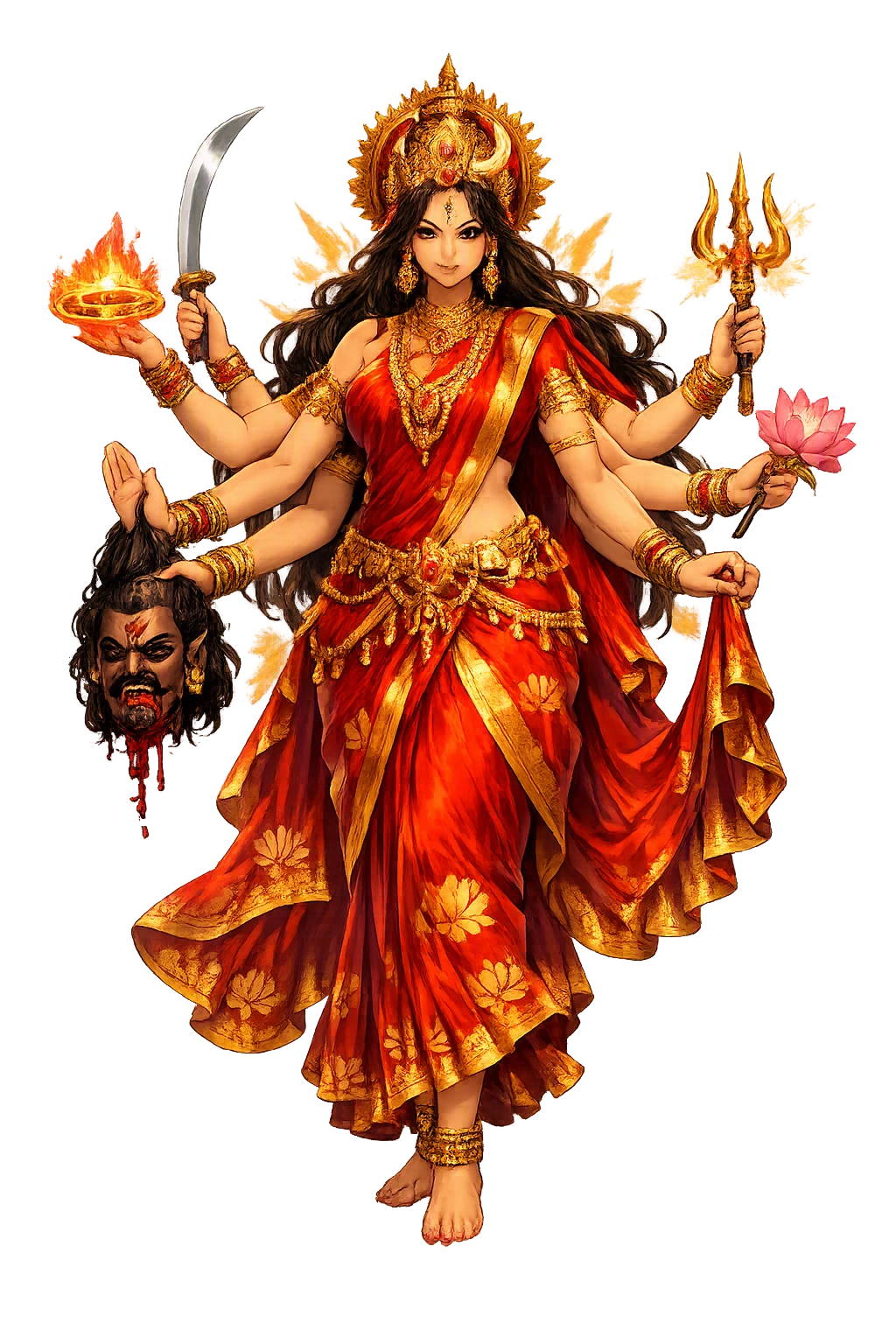
Exhibit 3 — the physical record. Śakti is attested in the textual and iconographic record of the Sanskrit tradition.
Exhibit 4 — the continuing record. Śakti continues to appear in scholarship, art, and popular reception as a significant figure of the Sanskrit tradition. Restoring the name in Unicode returns the original marks that ASCII removes.
The Convention's Own History
Long before IAST was formalized in 1912, Sanskrit had Pāṇini — the fourth-century-BCE grammarian whose rules describe the language's sounds with a precision no other ancient tradition matched. That heritage is why the convention is so exact: retroflexes (ṭ, ḍ, ṇ, ṣ) are not accented dentals but separate phonemes with separate meanings; long and short vowels (ā/a, ī/i, ū/u) change words, not just timing. IAST writes those distinctions down with underdots and macrons so that a reader who has never heard Sanskrit can still read it correctly. Dropping the marks is not transliteration at a lower resolution — it is a different, lesser claim.
The Protocol's Position
Can the canonical form live in the address bar? Almost always, yes. IDNA 2008 admits every mark this register defends — the DNS stores them as `xn--` punycode and modern browsers render them natively. The real frictions are practical, not legal: some registrars stock only part of the IDN space, so a theoretically valid name can be temporarily unbuyable; and stacked combinations (an acute riding a macron) remain awkward to type on mobile keyboards even where the protocol accepts them.
The project's answer is a ranked ladder, not a compromise: the full restoration first, then attested fallbacks in descending order of completeness. The ladder's lowest rung, plain ASCII, is a vehicle for legacy systems — sanctioned, but never presented as the scholarly form.
The Verdict
Case closed on Śakti: canonical, cited, and defended. The keyboard form shakti rides as the sanctioned fallback — and stays in that lane. The register's files remain open: if a source surfaces that changes any line of this entry, the entry changes. Until then, the temple at /shakti/ holds the canonical form.
The docket for this ruling: no false forms on the docket; no contested forms attested; the attestation rests on 3 cited sources — Monier-Williams, Bhagavata Purana, Ramayana.
The Register Continues
This is one of 406 entries in the Canonical Register — the authoritative reference for every flagship temple. The temple's founding dispatch tells the name's story; its Restoration File details the marks; its Resonance File reads the archetype into the industries. The blog index holds the whole archive, and the Rulebook states the convention this register enforces.
Continue the register — previous entry: Stḫ (read it) · next entry: Śākyamuni (read it).
The Canonical Register is written from the same canonical record as the lexicon itself. If a false form is missing from this page, it is because the evidence does not support calling it false — or because we have not seen it yet. Show us, with a citation, and the register will answer.