The Authentic Orthography
Realm of the Dead · Hel's home (from Hel + heimr)
Unicode restoration and ASCII comparison
ᚼᛁᛚᚼᛁᛘᚱ
The name in its original Norse form. Helheimr (ᚼᛁᛚᚼᛁᛘᚱ) is attested in the source tradition — “Hel's home (from Hel + heimr)”. Its original diacritics and script distinctions carry the full phonetic and orthographic weight of the source tradition.
helheimr
The plain helheimr form is identical to the Unicode restoration. Because this name is already written in Latin letters, no diacritics, stress, or script information were lost — only capitalization differs.
Helheimr
The Unicode restoration does not need to recover lost marks for Helheimr. Its value is canonical spelling and consistent cataloguing, not the reconstruction of erased orthography. The domain is readable as-is to both DNS and humanity.
Helheimr.com → helheimr.com
The non-ASCII characters in Helheimr are encoded while the ASCII remains visible. To the DNS, it is Punycode. To humanity, it is Helheimr.
How Helheimr travels from ancient script to the modern URL
Old Norse Helheimr; from Hel, goddess of the dead, + heimr “home"; the realm of the dead.
Realm of the Dead
The Unicode restoration Helheimr uses registrable Thorn and vowel accents; the runic form is not used because runic TLD support is impractical.
How Helheimr was spoken
The domain of Helheimr
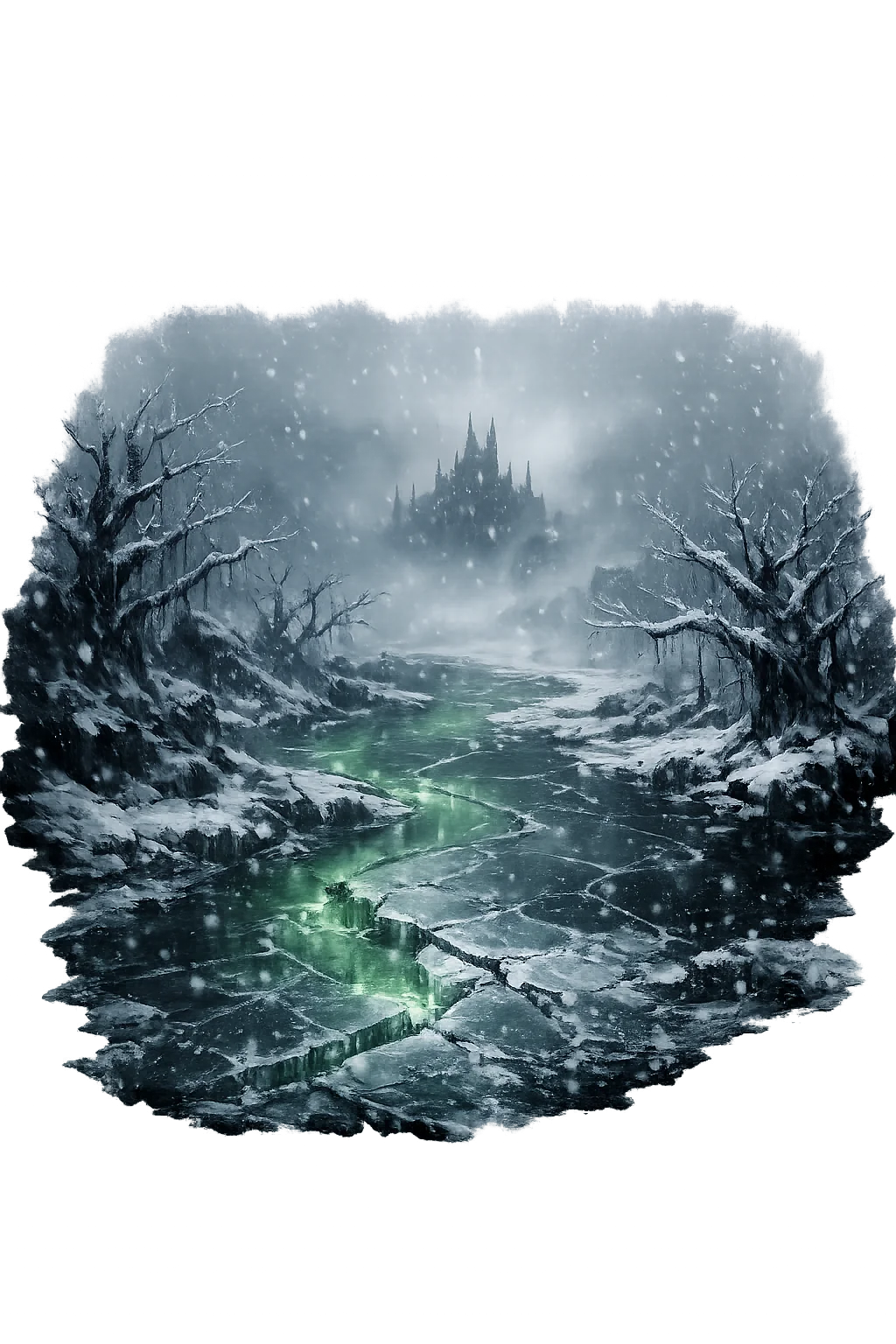
In the norse tradition, Helheimr governed realm of the dead. The name encodes a sphere of power that shaped ritual, narrative, and social order.
Éljúðnir is the hall of Hel, where the dead are fed from Hunger and cut with Famine.
The bridge over the river Gjöll is guarded by Móðguðr, who tests every soul entering Helheimr.
The bloody hound who guards the entrance to Helheimr waits at Gnipahellir for the end times.
Unlike Valhöll, Helheimr receives those who die of sickness, age, or accident—the quiet destiny of most mortals.
Stories of Helheimr
Helheimr is the grey underworld ruled by the goddess Hel, daughter of Loki and the giantess Angrboða. Unlike the warrior's paradise of Valhöll, it receives those who die of sickness, age, or any death not on the battlefield. The realm lies downward and northward, its entrance guarded by the hound Garmr and the maiden Móðguðr, who tests the dead at the bridge Gjallarbrú. Here the dead continue a shadowy existence, fed by Hel herself from a dish named Hunger with a knife named Famine. In Old Norse imagination, Helheimr is less a place of active punishment than the common destination of ordinary mortality, the quiet hall that waits beyond every bedside death. Helheimr is the destination of those who die of age, sickness, or accident, as opposed to warriors chosen for Valhǫll. This democratic afterlife reflects a Norse view that most deaths are not glorious. The realm's misty, hall-bound existence shaped later Scandinavian and Germanic conceptions of the quiet dead, preserved in folklore about the gravemound and the underworld.
When Baldr is killed by the mistletoe dart, the gods mourn so deeply that Frigg sends his brother Hermóðr to Helheimr to bargain for his return. Hermóðr takes Óðinn's eight-legged horse Sleipnir and rides for nine nights through valleys so dark and deep that he sees nothing, until he reaches the river Gjöll and the gold-floored bridge that leads to Hel's hall.
Hel agrees to release Baldr only if every creature in the nine worlds weeps for him. Almost all do, but the giantess Þökk—widely understood to be Loki in disguise—refuses, and Baldr must remain in Helheimr until Ragnarǫk. The myth establishes Helheimr as a realm of fixed law, not arbitrary cruelty, and it makes the underworld's door a place where even gods can negotiate.
In Gylfaginning, Snorri describes Helheimr as a realm of high walls and forbidding gates. Hel herself is half living flesh and half corpse-blue, a visual emblem of the threshold she guards. Her hall is called Éljúðnir, 'Sprayed with Showers,' and its threshold is named Stumbling-block, while those who enter fall under her authority.
The grim furnishings—Hunger the table, Starvation the knife, Bed the sick-bed, and Curtains the flames of misfortune—do not describe torture so much as the slow diminishment of the unheroic dead. Helheimr is less a place of punishment than a place of continuation, where existence persists without the vitality that defines life among gods and men.
Names are not merely labels; they are compressed worlds. Helheimr carries within it a norse understanding of hel's home (from hel + heimr). Unicode restoration returns that world to readable form.
Enter Extended Lore