
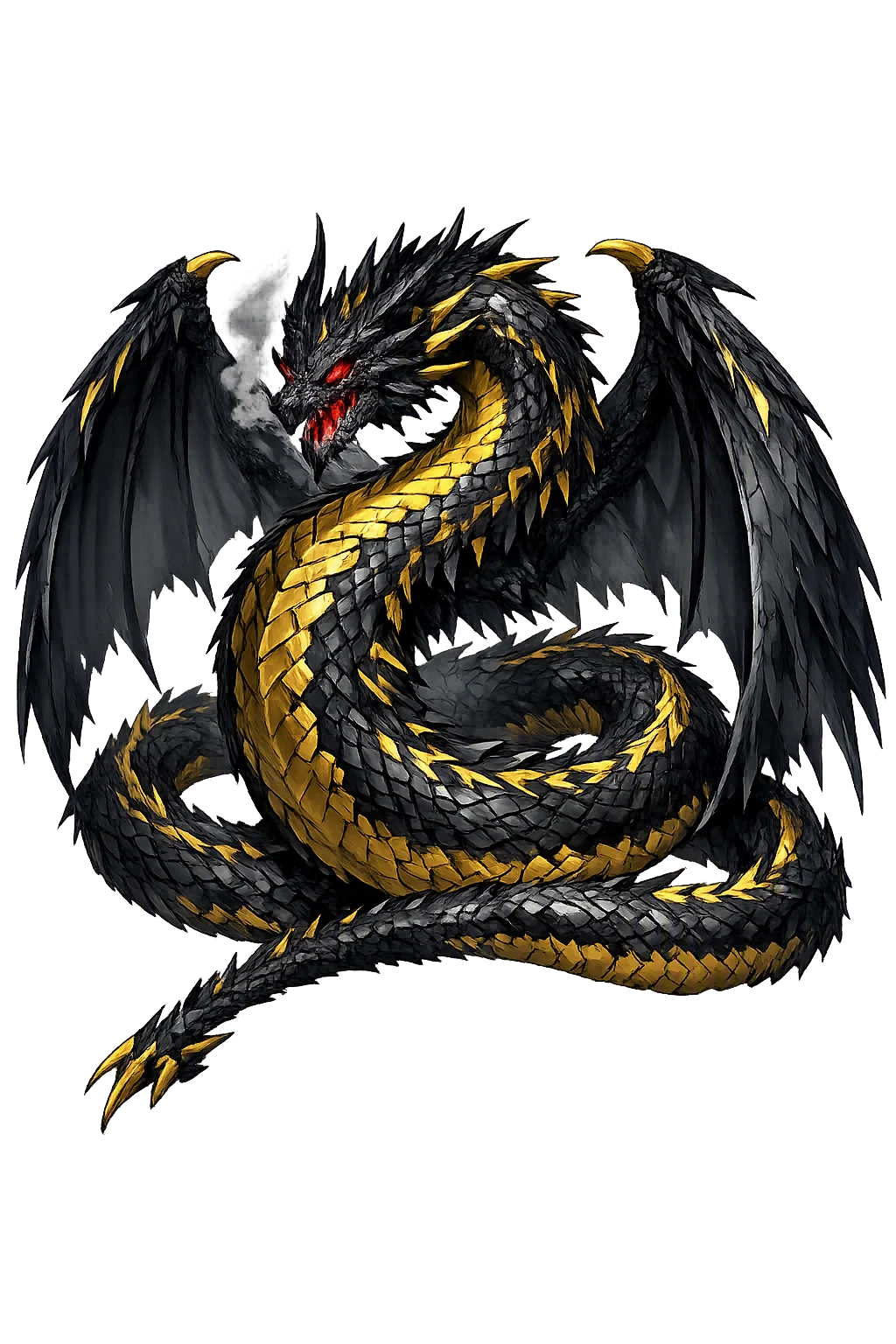
Stress-testing Fáfnir: do the industry seats hold?
The stress test for Fáfnir. Every seat in the atlas was attacked with the same question — is the match real, or is it poetry? — and the survivors are recorded with their evidence.
At a Glance
- Temple: Fáfnir
- Pantheon: Norse
- Domain of influence: Dwarf turned Dragon
- Pattern seats: 4
- Sectors touched: Culture & Entertainment · Commerce & Governance
- Strongest seat: Gaming, Fantasy & Entertainment IP
- Series: The Resonance Files, No. 87 of 293
The Test
Seat 1: Gaming, Fantasy & Entertainment IP
Claim: The hoard-guarding dragon of the Vǫlsunga cycle — Wagner's Ring and Tolkien's Smaug both descend from him; every treasure-vault boss in the genre is his descendant. Exhibit: The Weregild of Ótr — Óðinn, Hœnir, and Loki came traveling to a waterfall where an otter sat eating a salmon, half-asleep.
Verdict: holds under load. The correspondence is functional, not decorative.
Seat 2: Finance, Wealth & Commerce
Claim: The cursed hoard of Andvari is greed made plot — the gold that buys kingdoms and kills its owners; finance's oldest cautionary tale wears his coils. Exhibit: The Patricide of Gnitaheiðr — Fáfnir and Reginn demanded the blood-gold from their father as their share after Ótr.
Verdict: holds under load. The correspondence is functional, not decorative.
Seat 3: Music, Arts & Performance
Claim: Wagner casts him as the giant-turned-dragon of Siegfried; the greatest cycle in opera is partly his story. Exhibit: The Strike from Beneath — Reginn forged for Sigurðr the sword Gramr, so keen it sheared a lock of wool drifting down the Rhine and split Reginn's anvil in two.
Verdict: stands. Strip both to their function and the functions match.
Seat 4: Writing, Publishing & Media
Claim: The Vǫlsunga saga and the Nibelungenlied are the heroic literature of the North — and he is their dragon. Exhibit: The Weregild of Ótr — Óðinn, Hœnir, and Loki came traveling to a waterfall where an otter sat eating a salmon, half-asleep.
Verdict: stands. Strip both to their function and the functions match.
The Control Group
Against the seats that survived, one control: the temple's own summary of its figure — Fáfnir is the dragon at the hinge of the Vǫlsung cycle — born the son of the farmer-mage Hreiðmarr, brother to the shape-shifting Ótr and to Reginn the smith. The seats do not drift far from it. That is the audit's cleanest result.
The Method, Stated Plainly
The atlas is not a horoscope. Seats are earned from the sources — argued, weighted, published — and every one of them can be challenged at the methodology page. A match that cannot survive an argument does not survive review. That is the whole trick: the patterns are claims, and claims can be tested.
For the Ones Who Work There
For a sponsor in gaming, fantasy & entertainment ip, the fit here is not adjacency — it is inheritance. Your trade already tells this story every working day; the temple simply holds the original. The patron tier and the advertising terms carry the mechanics; the myths above carry the reason.
The File Continues
This is one of 293 Resonance Files — the third dispatch from every flagship temple, where the myths meet the markets. The temple's founding dispatch tells the name's story; its Restoration File tells the spelling's; the blog index holds the whole archive.
Continue the series — previous: Eurṓpē (read it) · next: Fūjin (read it).
The Resonance Files are argued from the same canonical record as the pattern atlas itself: the lexicon, the lore catalog, and the cited sources. Every seat can be challenged at the methodology page — and the challenge is the point.