The Authentic Orthography
Agriculture, Grain, Harvest · Agriculture, Grain, Harvest · Goddess of grain and growth — the source of the word "cereal"
Unicode restoration and ASCII comparison
Cerēs
The name survives only in scholarly transliteration. Cerēs is the standard Roman romanisation, documented in academic sources — “Goddess of grain and growth — the source of the word "cereal"”. Its macron-length vowels preserve distinctions lost in plain ASCII.
The original script for this roman name has not yet been added to PUNICODEX. The form shown is a scholarly transliteration.
ceres
Reduced to plain ceres, the name loses everything that made it specific: macron-length vowels. What remains is an ASCII string that machines can parse but that no longer speaks with its original voice.
Cerēs
The Unicode restoration recovers what ASCII flattened. Cerēs restores macron-length vowels, returning the name to its original written dignity. The domain encodes to Punycode, but the browser displays the truth.
Cerēs.com → xn--cers-dva.com
The non-ASCII characters in Cerēs are encoded while the ASCII remains visible. To the DNS, it is Punycode. To humanity, it is Cerēs.
How Cerēs is preserved in writing
A bespoke provenance study for Cerēs is being prepared by the PUNICODEX scholarly team.
Contribute scholarly provenance →How Cerēs was spoken
Agriculture, Bread, Law, and the People's Goddess
Cerēs is Rome's oldest working goddess: the power of grain and growth, patron of the plebeians who eat it, and the deity whose Greek sister's myth (Dēmētēr and Persephonē) she borrowed so completely that Rome's religion of the field became one with the mystery of the seasons.
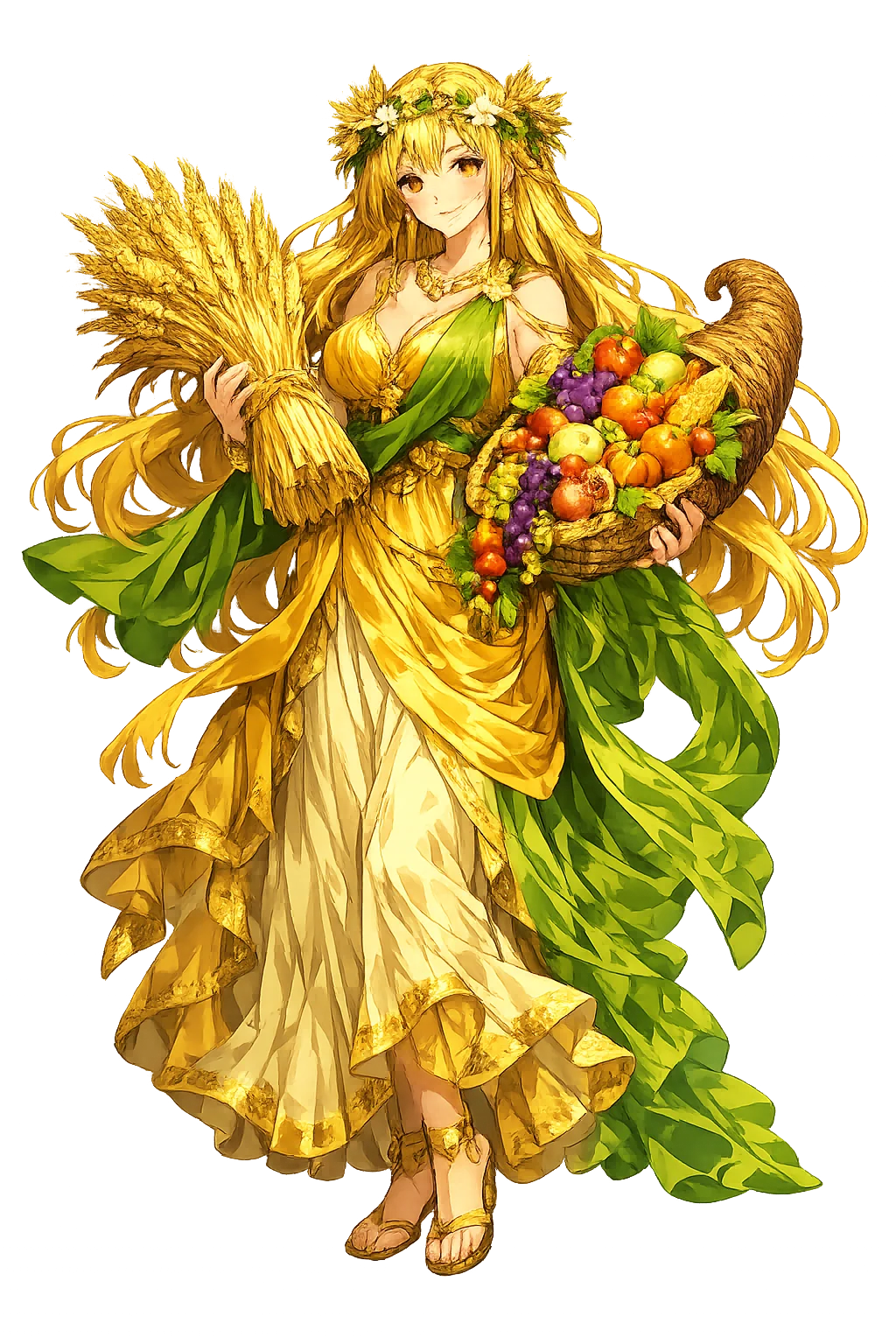
The wheat-sheaf she carries — the staff of civilization.
Her search for Proserpina by torchlight — the mother who would not stop.
Cerēs, Liber, Libera — the Aventine trinity of the common people.
Rome's annona: the wheat-ships of Sicily and Egypt under her protection.
Stories of Cerēs
Cerēs' myths are Rome's double helix: the Greek mother-goddess woven into the Italian grain-god, until the field and the mystery were one.
Before Cerēs, the poets say, humanity ate acorns and called it food. She taught the cutting of the furrow, the keeping of seed, the harvest's measure — and with grain came surplus, and with surplus came law: Ovid and Cicero both note that Rome's oldest laws guarded the field and its boundaries, because the goddess who invented agriculture also, necessarily, invented property. Her temple was the archive of the plebeians' laws: grain and statute, one house.
When Plūtō took Proserpina, Cerēs lit torches at Aetna's crater and searched the world for nine days, fasting and raging. Finding her daughter queen of the underworld, she refused the compromise until the earth starved with her; the settlement — Proserpina's year divided between the realms — is the myth that explains why the field sleeps and wakes. Rome told it as the charter of the Cerealia, her April festival of the grain's return.
Her great temple on the Aventine (493 BCE) belonged not to the patricians but to the plebs: Cerēs, Liber, and Libera — grain, wine, and growth — were the people's trinity, the asylum where debtors sheltered and the archive where the plebeians kept their laws. When the plebs seceded to the Sacred Mount, it was to her hill they walked: the goddess of bread is also, in Rome, the goddess of the bargain between bread and power.
Cerēs is the goddess of the daily miracle nobody notices: that seeds kept become bread, that fields kept become cities, that mothers searching become seasons. She asks the farmer's and the state's same question: the grain you eat was someone else's keeping — so whose keeping are you, and what will your furrow feed when you are done?
Enter Extended Lore