Unicode restoration and ASCII comparison
財神
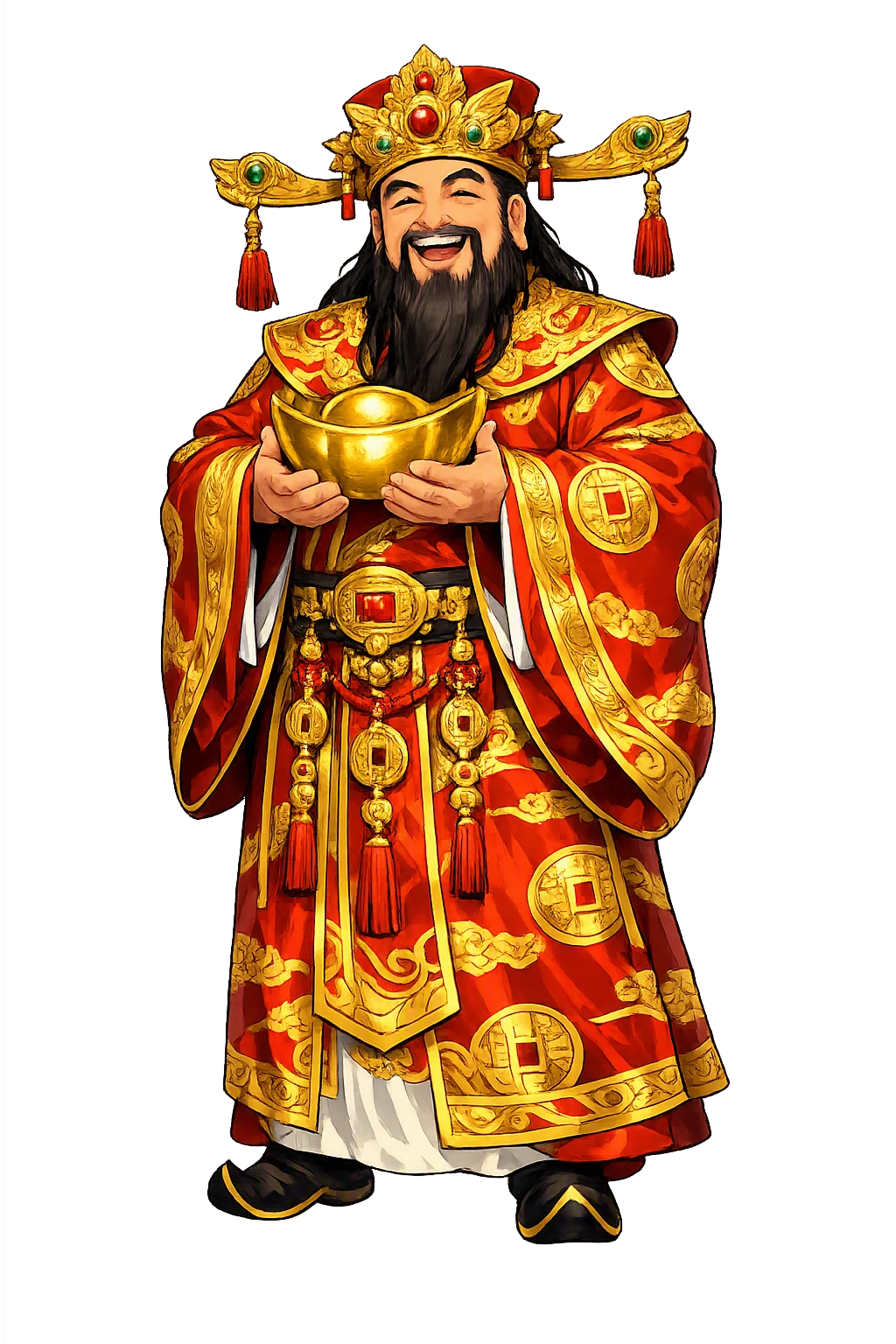
The name in its original Chinese form. Cáishén (財神) is attested in the source tradition — “God of wealth”. Its acute stress marks carry the full phonetic and orthographic weight of the source tradition.
caishen
Reduced to plain caishen, the name loses everything that made it specific: acute stress marks. What remains is an ASCII string that machines can parse but that no longer speaks with its original voice.
Cáishén
The Unicode restoration recovers what ASCII flattened. Cáishén restores acute stress marks, returning the name to its original written dignity. The domain encodes to Punycode, but the browser displays the truth.
Cáishén.com → xn--cishn-xqa3d.com
The non-ASCII characters in Cáishén are encoded while the ASCII remains visible. To the DNS, it is Punycode. To humanity, it is Cáishén.
How Cáishén is preserved in writing
A bespoke provenance study for Cáishén is being prepared by the PUNICODEX scholarly team.
Contribute scholarly provenance →Owned, ideal, and ASCII forms of Cáishén
Cáishén
Restores 財神. The live temple domain — cáishén.com.
caishen
Flattens 財神. The plain ASCII fallback — what DNS and legacy systems see.
How Cáishén was spoken
Wealth, Prosperity, New Year
Cáishén belongs to the Chinese tradition, where it is associated with wealth, prosperity, new year.
The central domain of Cáishén in the chinese tradition.
The name signifies "God of wealth".
The restoration Cáishén recovers what plain ASCII caishen flattens.
Attested in the sources as 財神.
Stories of Cáishén
The stories of Cáishén circulate within the Chinese corpus, where the figure embodies wealth, prosperity, new year.
Cáishén is attested in the canonical Chinese sources as a figure associated with wealth, prosperity, new year.
The name means "God of wealth" and reflects the figure's role in the tradition.
Cáishén embodies wealth, prosperity, new year in the Chinese imagination. The name's restoration is not merely cosmetic: it recovers the stress, length, and script that make the figure recognizable in the source tradition.
Enter Extended Lore