The Authentic Orthography
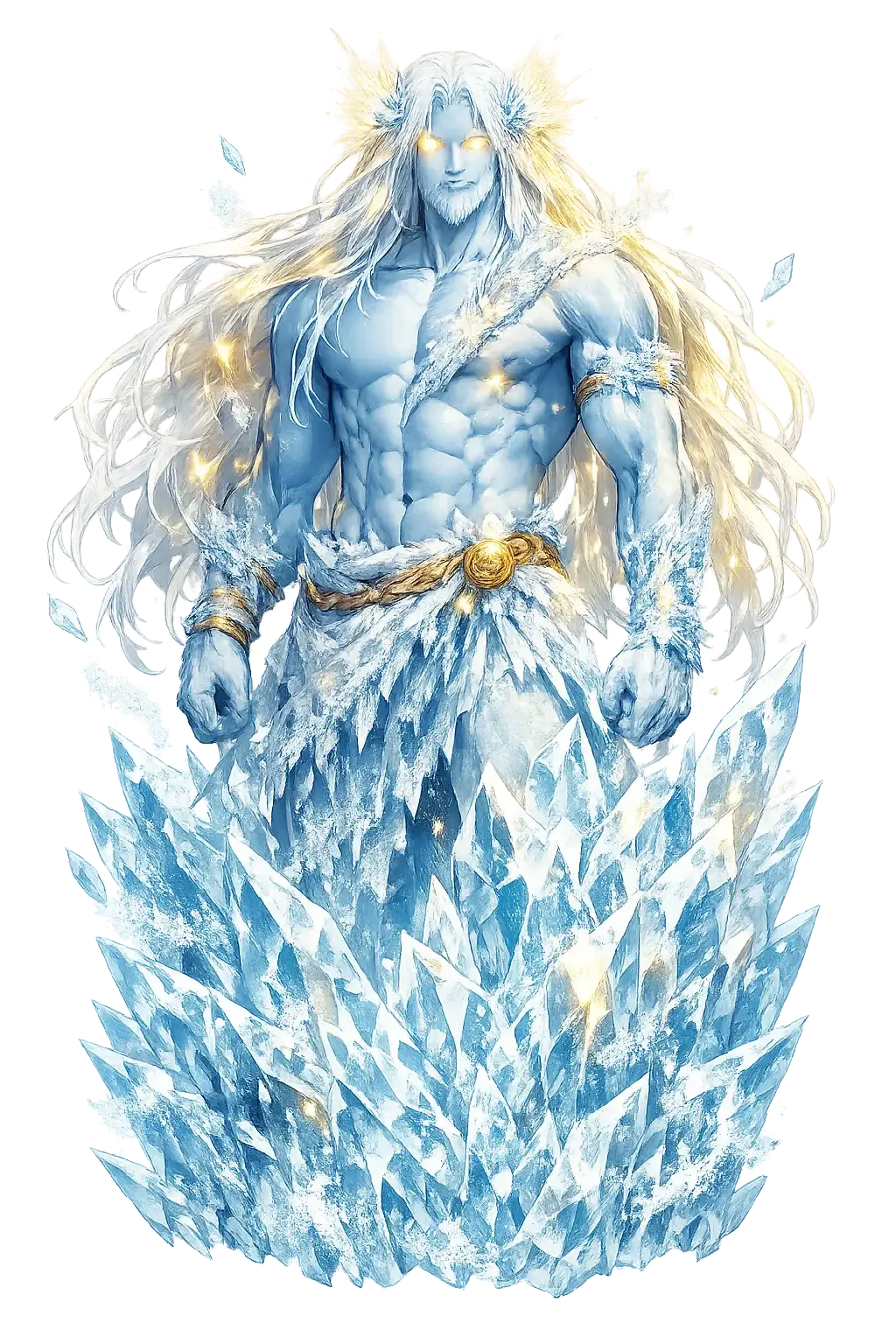
First God of the Norse Pantheon, Progenitor of the Æsir · In the Prose Edda, Búri is the primeval ancestor born from the salty rime, father of Borr and grandfather of Óðinn.
Unicode restoration and ASCII comparison
ᛒᚢᚱᛁ
The name in its original Norse form. Búri (ᛒᚢᚱᛁ) is attested in the source tradition — “In the Prose Edda, Búri is the primeval ancestor born from the salty rime, father of Borr and grandfather of Óðinn.”. Its acute stress marks carry the full phonetic and orthographic weight of the source tradition.
buri
Reduced to plain buri, the name loses everything that made it specific: acute stress marks. What remains is an ASCII string that machines can parse but that no longer speaks with its original voice.
Búri
The Unicode restoration recovers what ASCII flattened. Búri restores acute stress marks, returning the name to its original written dignity. The domain encodes to Punycode, but the browser displays the truth.
Búri.com → xn--bri-8na.com
The non-ASCII characters in Búri are encoded while the ASCII remains visible. To the DNS, it is Punycode. To humanity, it is Búri.
How Búri travels from ancient script to the modern URL
How Búri was spoken
The Primeval Ancestor of the Æsir
Búri is the first god in Norse mythology, the ancestor from whom all the Æsir descend. He was not born but revealed: the primeval cow Auðumla licked the salty rime of Niflheimr until a human shape emerged. From Búri came Burr, from Burr came Óðinn, Vili, and Vé, and from them came the world as we know it.
Licked free from the ice of Niflheimr by the primeval cow Auðumla.
His son Borr/Burr fathers Óðinn, Vili, and Vé.
Every major god of the Norse pantheon traces descent from him.
A human-shaped god emerging from the inanimate ice, the first animate divine being.
Stories of Búri
Búri has no adventures, no conflicts, no cult. His entire myth is cosmogonic: he is the first divine being, the point at which the inanimate cosmos becomes personal. Everything that follows in Norse mythology follows from his emergence.
In Gylfaginning, Snorri tells how the primeval cow Auðumla licked the salty stones of Niflheimr. On the first day, hair appeared; on the second, a head; on the third, a whole man. This was Búri. He was beautiful, great, and the father of Burr, whose sons — Óðinn, Vili, and Vé — slew the giant Ymir and fashioned the world from his body.
Búri → Burr → Óðinn, Vili, Vé. That simple genealogy underwrites the legitimacy of the Æsir. Unlike the giants, who descend from Ymir, the gods descend from a being who emerged without violence from the ice. It is a myth of clean origin in contrast to the bloody origin of the giants.
The Norse cosmos begins in the meeting of fire and ice: the sparks of Múspell meet the rime of Niflheimr, and the thawing drops form Ymir, the first giant. Búri appears independently, licked from the rime by Auðumla. The two primeval beings — giant and god — set up the antagonism that will drive the entire mythology.
Búri is the god before the gods. He has no personality because he is not yet a person; he is the moment when the cosmos becomes aware of itself. His son, grandson, and great-grandsons will do all the fighting, creating, and destroying. Búri's only act is to be.
Enter Extended Lore