PuniCodex

Extended Lore

ᛒᚢᚱᛁ Búri

Etymology · Phonology · Orthography · Cultural Legacy · Primary Sources

Tier 2 Búri.com
Búri — First God of the Norse Pantheon, Progenitor of the Æsir
01

Quick Facts

Essential information about Búri, First God of the Norse Pantheon, Progenitor of the Æsir

Original Scriptᛒᚢᚱᛁ
Unicode RestorationBúri
Reconstructed Pronunciation/ˈbuːri/
PantheonNorse
DomainFirst God of the Norse Pantheon, Progenitor of the Æsir
MeaningIn the Prose Edda, Búri is the primeval ancestor born from the salty rime, father of Borr and grandfather of Óðinn.
ClassificationTier 2
Primary DomainBúri.com
Sacred SymbolsSalt rime, Primeval cow Auðumla, Genealogical tree, Ice and thaw
02

Etymology & Word Family

From original script to Unicode restoration

Proto-indo-european *bʰew- to be, become
Original Script ᛒᚢᚱᛁ Búri — "In the Prose Edda, Búri is the primeval ancestor born from the salty rime, father of Borr and grandfather of Óðinn."
Unicode Restoration Búri Restored stress, length, and script
Modern ASCII buri Plain-ASCII fallback

Búri is Tier 2: the acute on ú marks stress and length, but the name has no additional length mark or circumflex. The etymology is uncertain; the lexicon records a speculative connection to a root meaning 'to be, become' and the Old Norse verb búa. We describe attested cosmogony rather than claiming a settled word-origin.

03

Unicode Character Breakdown

Character-by-character philological analysis

CharacterUnicodeNameBlockPhonetic Role
BU+0042Latin Capital Letter BBasic LatinSame, capitalized
úU+00FALatin Small Letter U with AcuteLatin-1 SupplementAcute marks stress on u
rU+0072Latin Small Letter RBasic LatinSame
iU+0069Latin Small Letter IBasic LatinSame

The Tier 2 classification reflects which ancient features stress, length, or script are preserved in this restoration.

04

Cultural Significance

From ancient cult to modern Unicode

Ancient Domain

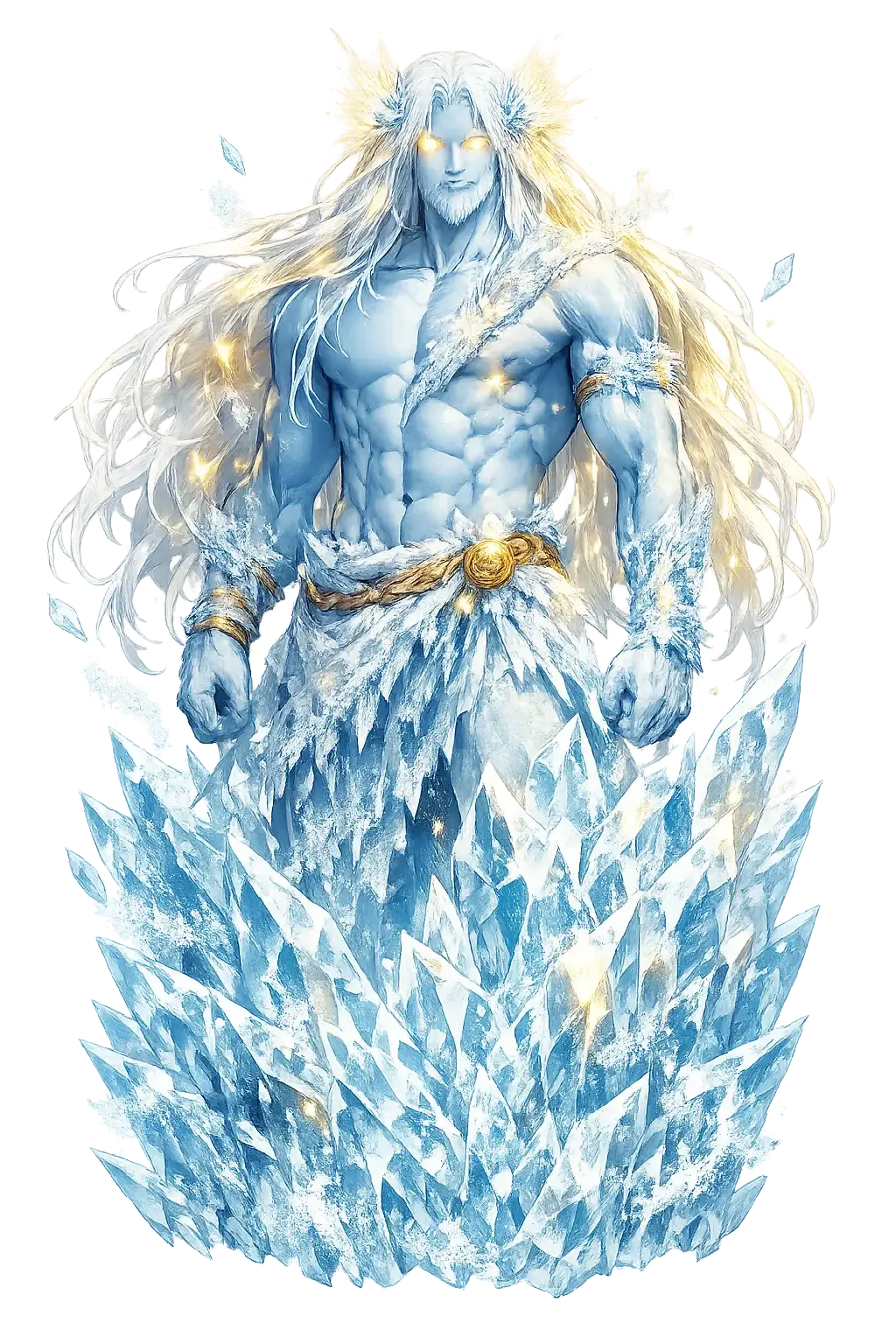
Búri is the first god in Norse mythology, the ancestor from whom all the Æsir descend. He was not born but revealed: the primeval cow Auðumla licked the salty rime of Niflheimr until a human shape emerged. From Búri came Burr, from Burr came Óðinn, Vili, and Vé, and from them came the world as we know it.

Búri in Later Traditions

Búri has no direct counterpart in other Germanic or Indo-European traditions, but his emergence from ice through the action of a primeval cow resembles other cosmogonic motifs in which the first being is shaped from inanimate matter or nourished by a bovine creature. Comparisons have been made to the Vedic primeval bull, the Iranian Gavaevodata, and various Indo-European cow/cosmogony figures. Auðumla's licking of Búri from the rime has also invited comparison with creation-through-licking in Finno-Ugric and other northern Eurasian traditions. Medieval Christian readers, including Snorri, often framed such stories as euhemerized or rationalized accounts of pre-Christian cosmology.

Modern Legacy

Búri is rarely a major figure in popular retellings, but he is essential to the Norse cosmic map. Whenever the genealogy of the gods is traced, he stands at the root. In modern Heathenry he is sometimes honored as the divine ancestor, the first spark of consciousness in the frozen cosmos. For artists and writers, the image of a human shape emerging from ice through the patient licking of a cow is one of the most striking origin images in world mythology.

Unicode Restoration as Cultural Act

Restoring Búri in a domain name is more than orthographic accuracy. It is a statement that the internet should recognize the full range of human writing — not only the ASCII keyboard.

05

Frequently Asked Questions

Common questions about Búri, First God of the Norse Pantheon, Progenitor of the Æsir, and Unicode restoration

01How do you pronounce Búri?

In reconstructed pronunciation, Búri is /ˈbuːri/ — approximately 'BOO-ree' — hold the 'oo' long and stress it, then finish with a quick trilled r and short 'ee'..

02What does Búri mean?

Búri means In the Prose Edda, Búri is the primeval ancestor born from the salty rime, father of Borr and grandfather of Óðinn. in the norse tradition.

03What are the symbols of Búri?

Búri is associated with Salt rime (The icy substance from which Búri was licked into shape), Primeval cow Auðumla (The nourisher whose licking revealed the first god), Genealogical tree (The root of the Æsir family, from which all later gods branch), Ice and thaw (The cosmogonic transition from frozen chaos to living divinity).

04What is the difference between Búri.com?

Each is a historically defensible restoration. búri.com.com is the owned form: Owned domain form.

05Why restore Búri in Unicode?

Plain ASCII buri strips the stress, length, and script that make the name specific. Unicode restoration returns the name to its original written dignity.

06What is the most important myth about Búri?

In Gylfaginning, Snorri tells how the primeval cow Auðumla licked the salty stones of Niflheimr. On the first day, hair appeared; on the second, a head; on the third, a whole man. This was Búri. He was beautiful, great, and the father of Burr, whose sons — Óðinn, Vili, and Vé — slew the giant Ymir and fashioned the world from his body.

06

Scholarly Sources

The philological foundations of this restoration

Every claim on this page is grounded in established scholarship. The orthographic restorations follow disciplinary convention. The etymological chain follows the best available reference works. This is not invention — it is resurrection through scholarship.

Lexicography & Philology

  • Poetic Edda
  • Prose Edda
  • Zoëga

Primary Texts

  • Snorri Sturluson, Prose Edda: Gylfaginning (Búri licked from the rime by Auðumla)

Archaeology & Art History

  • Material evidence — iconography, inscriptions, and temple archaeology — for Búri and related cults.
  • No archaeological find names Búri. His attestation is entirely literary, dependent on the Prose Edda of Snorri Sturluson and its manuscript tradition. The cosmogonic scene he anchors — the primeval cow, the rime, the emergence of the first being — belongs to the mythic imagination rather than to material cult. Scandinavian rock art and Bronze-Age imagery do include cattle and solar motifs, but none can be securely linked to Búri.

Religious Studies

  • Cleasby & Vigfusson, An Icelandic-English Dictionary (1874), s.v. Búri, búa
  • Zoëga, A Concise Dictionary of Old Icelandic (1910), s.v. Búri
  • de Vries, Jan, Altgermanische Religionsgeschichte
  • Simek, Rudolf, Dictionary of Northern Mythology
  • Lindow, John, Norse Mythology: A Guide to the Gods, Heroes, Rituals, and Beliefs
Return

The Surface Awaits

You have traced the name from its earliest attestation to its Unicode restoration. Now return to the myth. The story is where the name lives.

Back to Lore
Búri mascot