
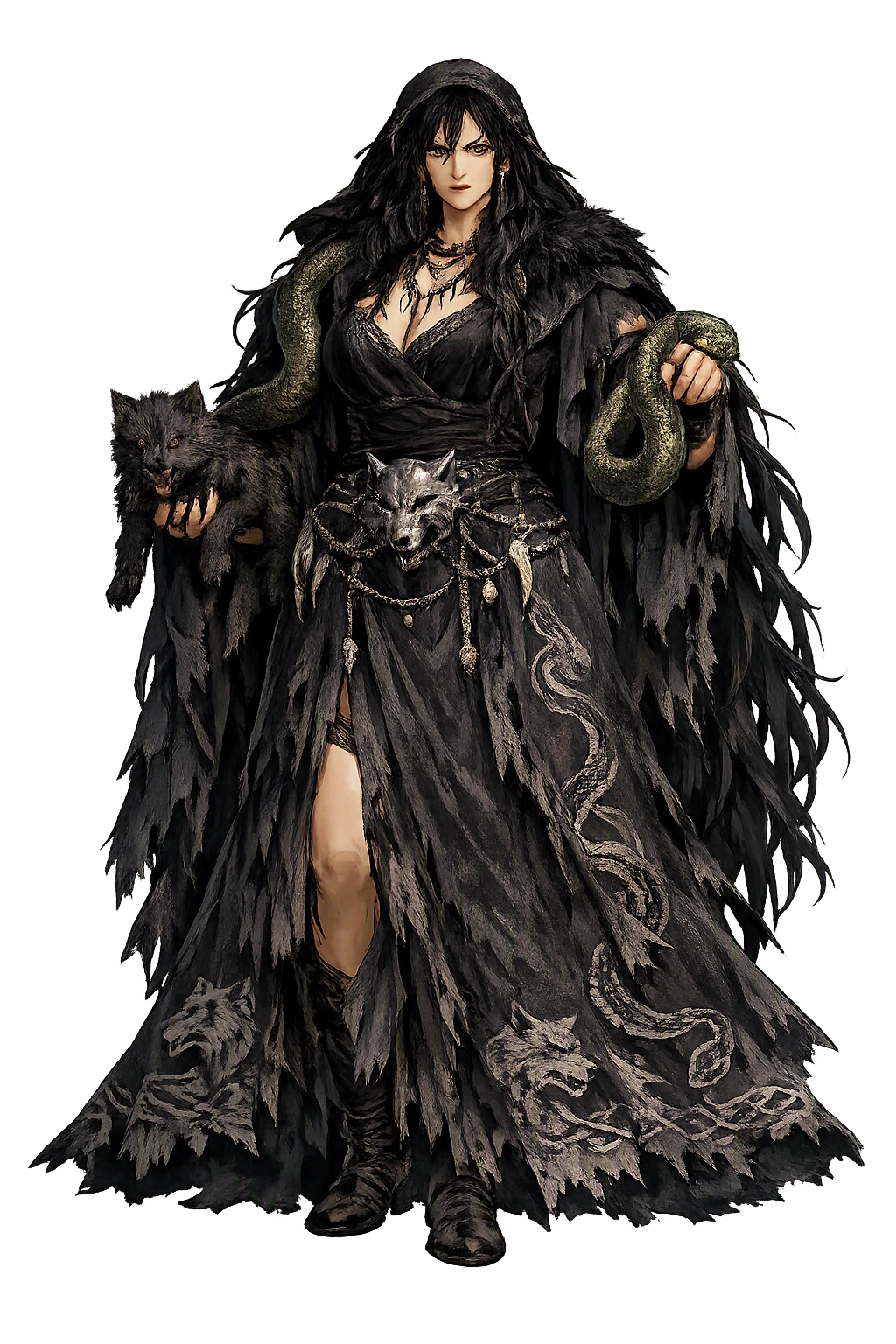
Stress-testing Angrboða: do the industry seats hold?
Audit: Angrboða, seat by seat. The atlas makes claims; the myths decide which ones stand. This is the record of what held.
At a Glance
- Temple: Angrboða
- Pantheon: Norse
- Domain of influence: Monster Mother, Sorcery
- Pattern seats: 3
- Sectors touched: Culture & Entertainment · Technology & Innovation · Society & Spirit
- Strongest seat: Mythic Name Restoration
- Series: The Resonance Files, No. 23 of 397
The Test
Seat 1: Mythic Name Restoration
Claim: Old Norse giantess whose eth and length marks survive in normalized spelling. Exhibit: Primary Attestation — Angrboða is attested in the canonical Norse sources as a figure associated with monster mother, sorcery.
Verdict: survives scrutiny. The myth and the trade do the same work.
Seat 2: Diacritic-First Domains
Claim: The eth and length marks keep Angrboða in normalized Old Norse. Exhibit: Name and Meaning — The name means "She who offers sorrow" and reflects the figure's role in the tradition.
Verdict: holds under load. The correspondence is functional, not decorative.
Seat 3: Global Pantheon Brands
Claim: Old Norse giantess whose eth and length marks survive in normalized spelling. Exhibit: Primary Attestation — Angrboða is attested in the canonical Norse sources as a figure associated with monster mother, sorcery.
Verdict: survives scrutiny. The myth and the trade do the same work.
The Control Group
Against the seats that survived, one control: the temple's own summary of its figure — The stories of Angrboða circulate within the Norse corpus, where the figure embodies monster mother, sorcery. The seats do not drift far from it. That is the audit's cleanest result.
The Method, Stated Plainly
Skeptical? Good — the system is built for you. Every seat in this file carries its why-line and its weight, the full derivation is public at the methodology page, and the challenge process is part of the design. Falsifiable is not a posture here; it is the mechanism.
For the Ones Who Work There
For a sponsor in mythic name restoration, the fit here is not adjacency — it is inheritance. Your trade already tells this story every working day; the temple simply holds the original. The patron tier and the advertising terms carry the mechanics; the myths above carry the reason.
The Emblems at Work
Restored Name — The Unicode form Angrboða carries the original marks of the Norse tradition.; Source Script — Preserved through scholarly transliteration and canonical sources.; Domain — Monster Mother, Sorcery. Watch for these emblems in the trades above; they show up in more logos than their owners realize.
The Long Employment
Angrboða continues to appear in scholarship, art, and popular reception as a significant figure of the Norse tradition. Restoring the name in Unicode returns the original marks that ASCII removes.
The Tradition Behind the Trade
Angrboða belongs to Norse, a tradition that wrote its endings down in advance and sang them anyway. The pattern atlas reads that tradition's functions into the modern economy with the same discipline a critical edition would — argued, weighted, and published for challenge.
The File Continues
This is one of 397 Resonance Files — the third dispatch from every flagship temple, where the myths meet the markets. The temple's founding dispatch tells the name's story; its Restoration File tells the spelling's; the blog index holds the whole archive.
Continue the series — previous: Andvari (read it) · next: ꜥnḫ (read it).
The Resonance Files are argued from the same canonical record as the pattern atlas itself: the lexicon, the lore catalog, and the cited sources. Every seat can be challenged at the methodology page — and the challenge is the point.