PuniCodex

Extended Lore

四国 Shikoku

Etymology · Phonology · Orthography · Cultural Legacy · Primary Sources

Tier 2 Shikoku
Shikoku — Smallest Main Island
01

Quick Facts

Essential information about Shikoku, Smallest Main Island

Original Script四国
Unicode RestorationShikoku
Reconstructed Pronunciation/ɕi.ko.kɯ/
PantheonJapanese
DomainSmallest Main Island
MeaningFour provinces
ClassificationTier 2
Primary DomainShikoku
Sacred SymbolsPilgrim's staff and sedge hat, Kūya statue, Eighty-eight temples, Naruto whirlpools
02

Etymology & Word Family

From original script to Unicode restoration

Original Script 四国 Shikoku — "Four provinces"
Unicode Restoration Shikoku Restored stress, length, and script
Modern ASCII shikoku Plain-ASCII fallback

Shikoku is Tier 2: plain Hepburn. Its significance is geographic and pilgrimage-based.

03

Unicode Character Breakdown

Character-by-character philological analysis

CharacterUnicodeNameBlockPhonetic Role
SU+0053Latin Capital Letter SBasic LatinSame
hU+0068Latin Small Letter HBasic LatinSame
iU+0069Latin Small Letter IBasic LatinSame
kU+006BLatin Small Letter KBasic LatinSame
oU+006FLatin Small Letter OBasic LatinSame
kU+006BLatin Small Letter KBasic LatinSame
uU+0075Latin Small Letter UBasic LatinSame

The Tier 2 classification reflects how much of the original phonology this restoration preserves — stress and vowel length for Greek names, distinctive letters and diacritics for every other tradition.

04

Cultural Significance

From ancient cult to modern Unicode

Ancient Domain

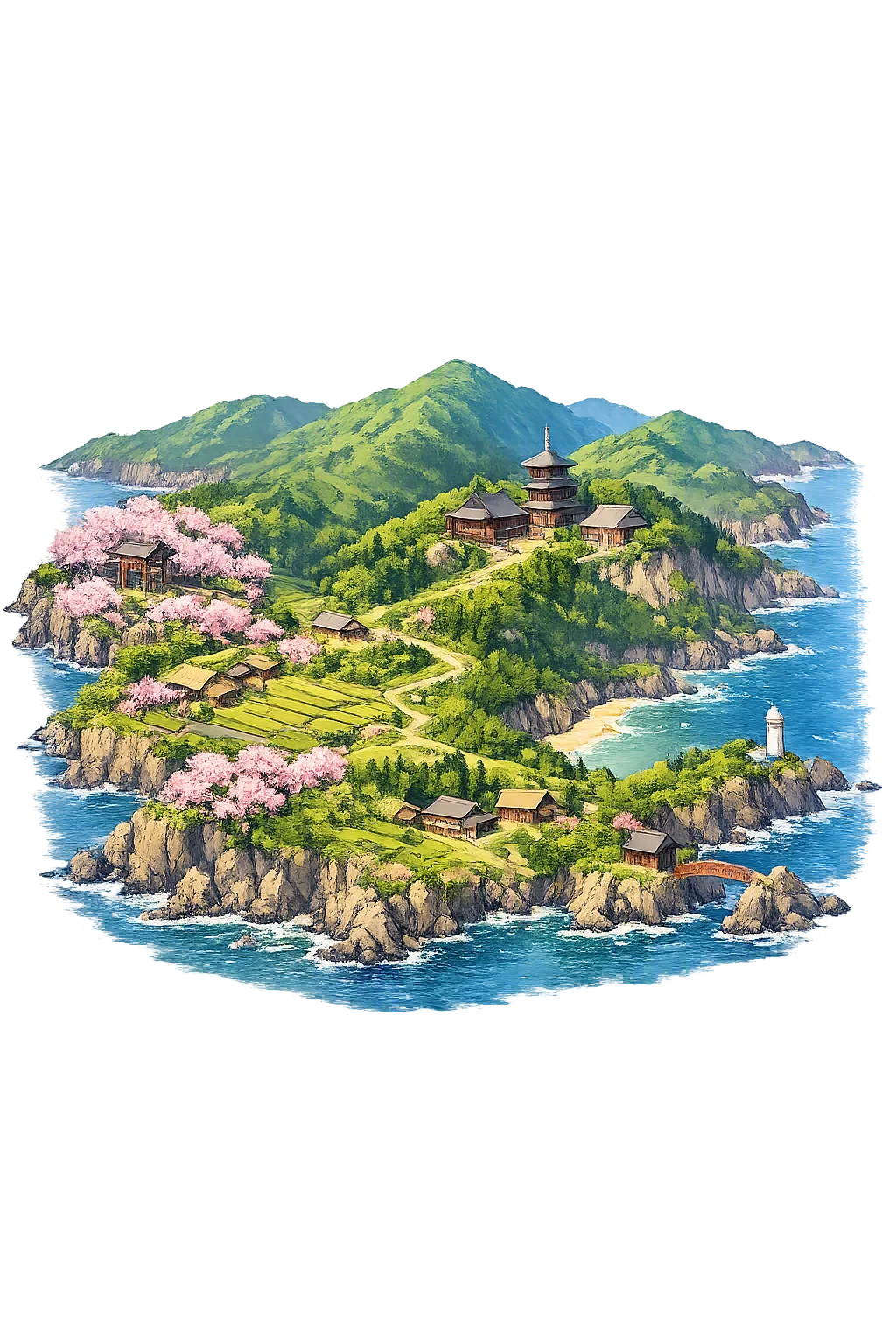
Shikoku is Japan's smallest main island, a place of mountains, coast, and rural quiet. For more than a thousand years it has been walked by pilgrims on the henro, the 88-temple circuit associated with Kūkai, the founder of Shingon Buddhism. Shikoku means 'four provinces,' and its identity is inseparable from the spiritual geography of the pilgrimage.

Shikoku in Later Traditions

Shikoku blends Buddhism, Shinto, and folk religion along the pilgrimage route. Shinto shrines sit beside Buddhist temples, and local kami are honored as manifestations of Buddhist figures. The island's identity is so bound up with Kūkai and the henro that pilgrimage and place are nearly synonymous.

Modern Legacy

The Shikoku Henro remains one of Japan's most important pilgrimages, attracting walkers from across the country and abroad. The island's rural culture, udon noodles, and natural scenery are celebrated in travel writing and media. Shikoku represents a slower, more contemplative Japan.

Unicode Restoration as Cultural Act

Restoring Shikoku in a domain name is more than orthographic accuracy. It is a statement that the internet should recognize the full range of human writing — not only the ASCII keyboard.

05

Frequently Asked Questions

Common questions about Shikoku, Smallest Main Island, and Unicode restoration

01How do you pronounce Shikoku?

In reconstructed pronunciation, Shikoku is /ɕi.ko.kɯ/ — approximately 'SHEE-koh-koo' — three crisp syllables..

02What does Shikoku mean?

Shikoku means Four provinces in the japanese tradition.

03What are the symbols of Shikoku?

Shikoku is associated with Pilgrim's staff and sedge hat (The traditional gear of the Shikoku henro), Kūya statue (The image of the itinerant saint Kūya, associated with the pilgrimage), Eighty-eight temples (The sacred circuit that defines Shikoku's spiritual geography), Naruto whirlpools (The famous tidal whirlpools at the island's eastern edge).

04Why restore Shikoku in Unicode?

Plain ASCII shikoku strips the stress, length, and script that make the name specific. Unicode restoration returns the name to its original written dignity.

05What is the most important myth about Shikoku?

Kūkai (774–835), posthumously known as Kōbō Daishi, was born in Sanuki province on Shikoku. He founded the Shingon school of esoteric Buddhism, established the monastery on Mount Kōya, and is credited with countless legends. After his death, he was believed to remain in eternal meditation, guiding pilgrims who walk the 88 temples.

06

Scholarly Sources

The philological foundations of this restoration

Every claim on this page is grounded in established scholarship. The orthographic restorations follow disciplinary convention. The etymological chain follows the best available reference works. This is not invention — it is resurrection through scholarship.

Lexicography & Philology

  • Hepburn
  • Kojiki

Primary Texts

  • The Kojiki; the Nihon Shoki; shrine ritual records.

Archaeology & Art History

  • Material evidence — iconography, inscriptions, and temple archaeology — for Shikoku and related cults.
  • The Shikoku Henro circuit preserves temples from the Heian period to the present, many associated with Kūkai's legend. Mount Kōya, though technically in Wakayama, is the spiritual center of the Shingon tradition and a UNESCO World Heritage site linked to Shikoku's pilgrimage culture.

Religious Studies

  • Kūkai's writings and hagiography
  • Shikoku Henro pilgrimage records
  • Reader, Making Pilgrimages: Meaning and Practice in Shikoku
Return

The Surface Awaits

You have traced the name from its earliest attestation to its Unicode restoration. Now return to the myth. The story is where the name lives.

Back to Lore
Shikoku mascot