
The Cult
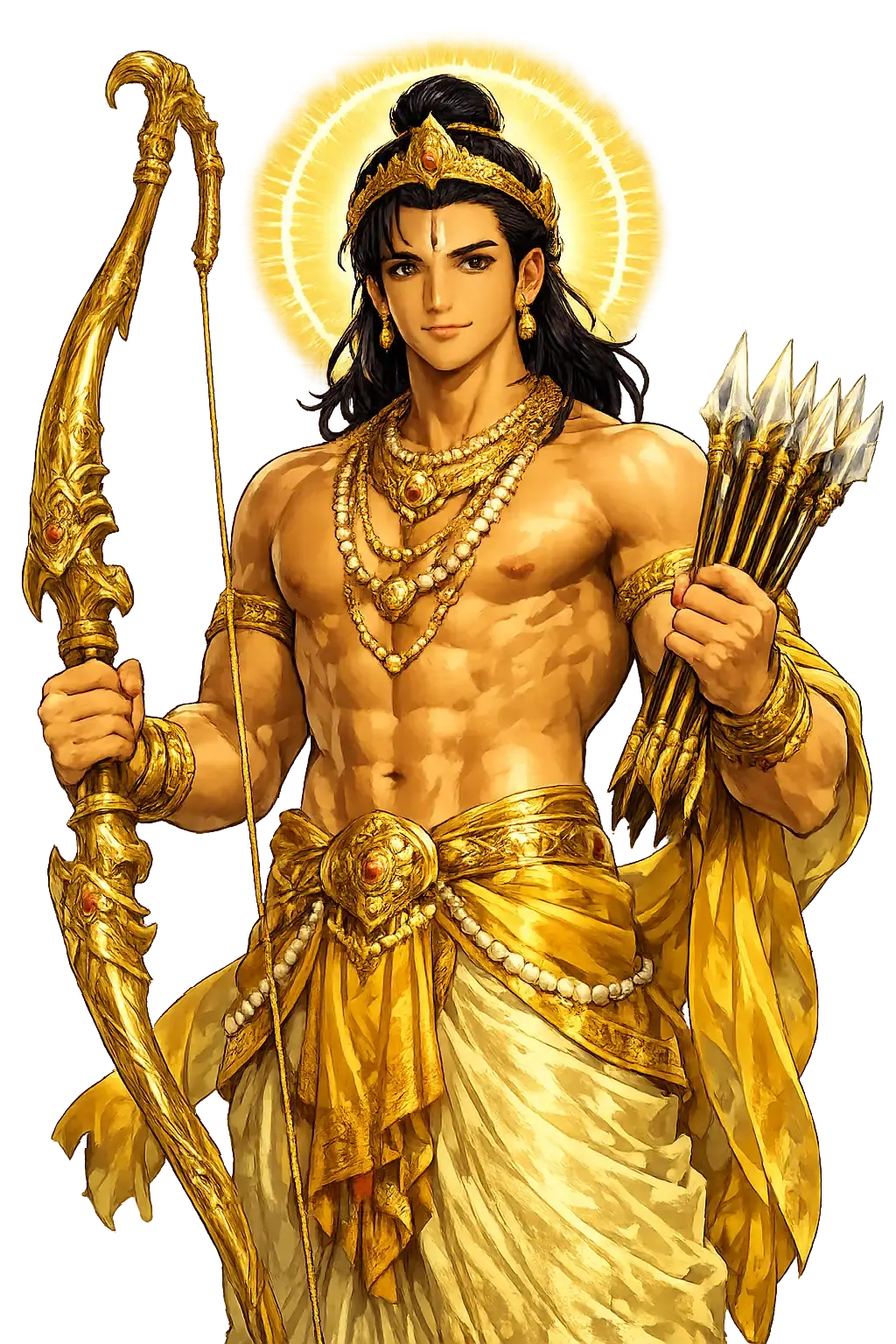
Rāma's cult is the transformation of an epic hero into a god of daily religion, and it is ancient. By the Gupta age — the fifth and sixth centuries — sculptors were carving Rāma with bow and arrow on Vaiṣṇava temples, and the Purāṇas had fixed him as Viṣṇu's seventh avatāra. The sacred geography runs from Ayodhyā, his birthplace and coronation city and a place of pilgrimage for well over a millennium, south to Rāmeśvaram, where tradition holds that he worshipped Śiva before crossing to Laṅkā; his birthplace shrine anchors one of Hinduism's most visited — and most contested — holy sites. The cult's engine has been recitation: centuries of Rāmāyaṇa pāṭha, the repetition of the Rāma nāma held by Tulsīdās to outweigh every other prayer, and the Rāmānandī ascetic order — traditionally founded in the fourteenth century, today among the largest monastic bodies in India — organizing his worship as supreme God. The seasonal liturgy crowns him in spring at Rāma Navamī and, at Ramnagar on the Ganges, inside a month-long Ramlīlā pageant patronized by the Kashi royal house since the nineteenth century.