PuniCodex

Extended Lore

Ọya

Etymology · Orthography · Cult · Iconography · Reception · Sources

Tier 1 Ọya.com
Ọya — Wind, Storms, Change
01

Quick Facts

Essential information about Ọya, Wind, Storms, Change

Scholarly TransliterationỌya
Unicode RestorationỌya
Reconstructed Pronunciation/ɔ̀.já/
PantheonYoruba
DomainWind, Storms, Change
MeaningShe who tore
ClassificationTier 1
Primary DomainỌya.com
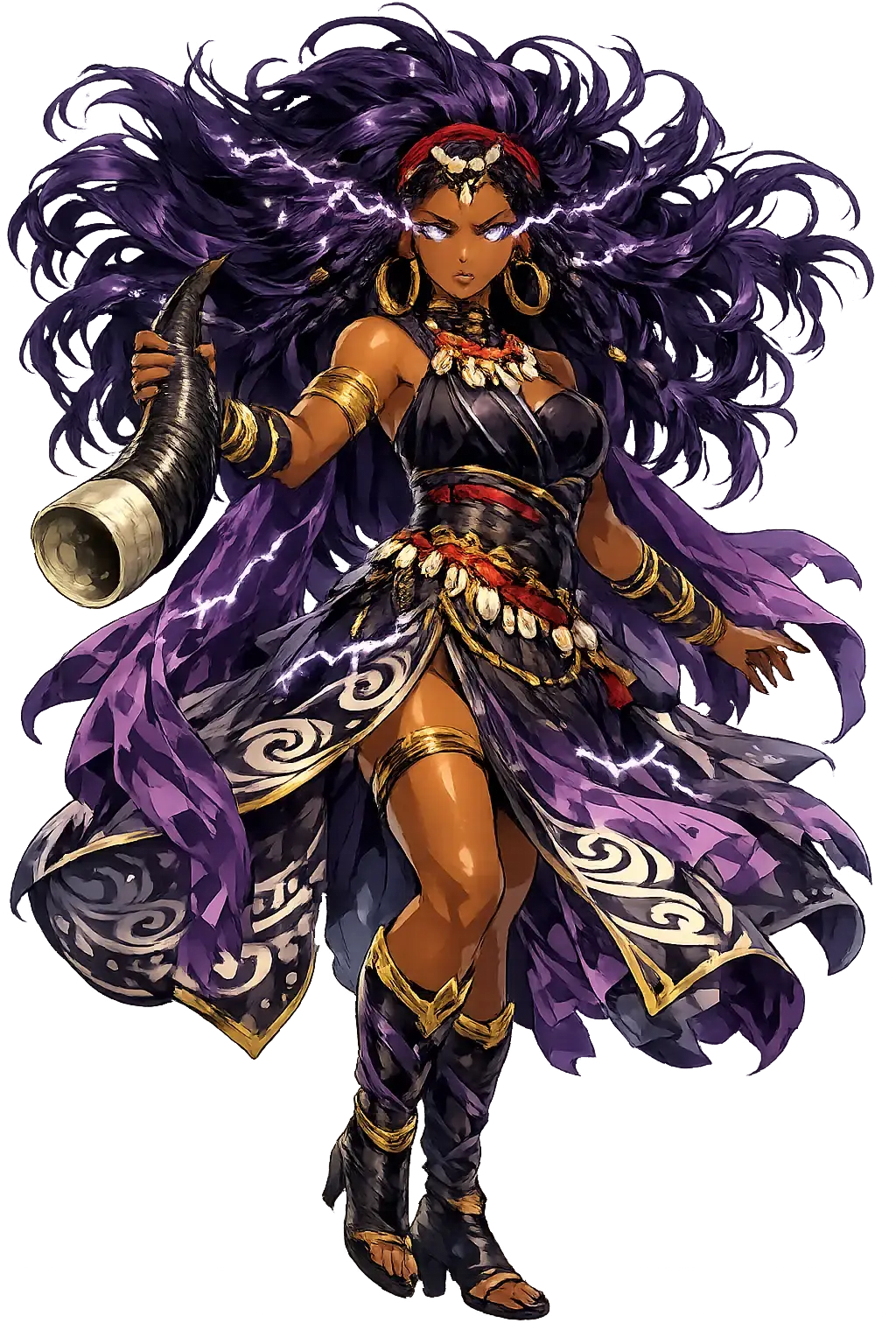
Sacred SymbolsIrukere (fly-whisk), Sword or machete, Buffalo horns, Nine colours
02

Etymology & Word Family

From original script to Unicode restoration

Scholarly Transliteration Ọya Ọya — "She who tore"
Unicode Restoration Ọya Restored stress, length, and script
Modern ASCII oya Plain-ASCII fallback

The name Ọya carries the orthographic signature of the yoruba tradition. Unicode restoration recovers what ASCII flattens.

03

Unicode Character Breakdown

Character-by-character philological analysis

CharacterUnicodeNameBlockPhonetic Role
ỌU+1ECCLatin Capital Letter O with Dot BelowUnknownO with dot below
yU+0079Latin Small Letter YBasic LatinSame
aU+0061Latin Small Letter ABasic LatinSame

The Tier 1 classification reflects how much of the original phonology this restoration preserves — stress and vowel length for Greek names, distinctive letters and diacritics for every other tradition.

04

Cult & Worship

How the sacred was kept — rites, sanctuaries, remains

The Cult

Ọya's cult is a living Atlantic religion rather than a closed ancient site. In Yorubaland she receives offerings at market-edge shrines and river crossings, especially in the storm season, where traders and women leave food, cloth, and wind-spun prayers. Across the Atlantic, Candomblé terreiros in Bahia maintain altars with buffalo horns, iron swords, and nine-strand bead necklaces in her colors of burgundy and brown; initiates dance her possession with fly-whisks (irukere). Santería/Lucumí houses in Cuba syncretize her with the Virgin of Candelaria and honor her on 2 February. Modern pilgrimage routes link Nigeria and Brazil, and her festivals—Odún Ọya—draw initiates from the global African diaspora.

In the Earth

Ọya's material traces ride the storm: buffalo horns and iron swords from Candomblé shrines in Bahia, nine-strand bead necklaces in burgundy and brown, and the fly-whisks (irukere) whisked by her initiates, conserved in museum and terreiro collections on both sides of the Atlantic. In Yorubaland her presence is read in the Niger's storm seasons and in market-edge shrines where traders leave offerings against sudden loss — an archaeology of thresholds rather than temples.

05

Iconography

How Ọya was imaged across the ages

The Image

Ọya is imaged through regalia more than statuary: buffalo-horn crowns, a machete or sword of iron, and swirling skirts that mimic wind when she spins in possession. Afro-Brazilian altars display her assentamento with copper or iron tools and burgundy beads; Cuban oricha vessels may pair her with a small iron horse, recalling her husband Ọ̀ṣọ́ọ̀sì. Wooden masks and dance wands from Yorubaland give her a fierce female face framed by horns. Modern artists—Sonia Boyce, Wangechi Mutu, and carnival designers—have reimagined her as a whirlwind of fabric and metal, but the oldest visual grammar remains the liturgical wardrobe of Candomblé and Santería.

06

Reception & Transformation

The name after its own age — transmission, translation, survival

Afterlives

Ọya crossed the Atlantic in the bodies and memories of enslaved Yoruba people, reconstituted in Candomblé, Santería, and Trinidad Orisha from the late eighteenth century onward. Twentieth-century ethnographers—R. E. Dennett, William Bascom, Margaret Thompson Drewal, and John Mason—translated her rituals into academic prose, while the Cuban revolution and postcolonial Nigeria reframed her as national heritage. In the late twentieth century the global Orisha movement and African diaspora tourism repatriated her festivals from Bahia back to southwestern Nigeria. Academic monographs, museum exhibitions, and religious tourism have since made her one of the most visible African goddesses in the global study of diaspora religion. She appears in contemporary fiction by Nalo Hopkinson and Tomi Adeyemi, in Afro-futurist visual art, and in feminist readings of wind and change. Linguistically, her name has entered English and Portuguese as a marker of Yoruba religious identity.

Identifications Across Traditions

In the Afro-Atlantic religions Ọya became Iansã in Brazilian Candomblé, syncretised with Saint Barbara and Saint Teresa — saints of lightning, of decisive action, of the fortress under siege. In Cuban Santería she is Oyá, paired with the Virgen de la Candelaria; her nine-coloured cloth and buffalo horns identify her instantly in any botánica. In Haitian Vodou her winds blow through the Gede's cemetery humour, and in New Orleans Voodoo she survives as a spirit of storms and sudden reversals. Wherever Yoruba people were dispersed, Ọya travelled as the orixá of necessary upheaval — her whirlwinds, one might say, crossed the Atlantic itself and have not stopped turning since.

Modern Legacy

Ọya remains one of the most honoured orixás in the African diaspora. She strides through the literature of the Black Atlantic — from Cuban letra del año pronouncements to Brazilian samba-enredo lyrics — as the patroness of the turnaround: the queen who loses the battle and wins the war. Her colours fly at every Candomblé ijexá; her swords flash in the hands of possessed dancers from Salvador to Havana. Feminist and womanist theologians have claimed her as a model of female force that is not domesticated by marriage, motherhood, or mourning. In an age of climate change and social upheaval, Ọya speaks with uncomfortable relevance: the storm is not cruelty — it is the only way the forest clears its own dead wood.

07

The Meditation

What Ọya means — beyond the dictionary

Ọya is the goddess we pray to when we are afraid of what must end. She does not promise gentle transformation. Her winds tear roofs from houses and uproot trees that have stood for decades. Yet without her, the air would stagnate and the soil would never clear for new seed.

To sit with Ọya is to ask what in your life has completed its season. She does not answer with comfort. She answers with a gust that slams the door and a flash of lightning that shows, for one instant, exactly what must go. Her gift is not the storm itself; it is the cleared ground that remains after it passes — and the knowledge that you survived the tearing.

08

Frequently Asked Questions

Common questions about Ọya, Wind, Storms, Change, and Unicode restoration

01How do you pronounce Ọya?

In reconstructed pronunciation, Ọya is /ɔ̀.já/ — approximately 'aw-YAH' — begin low in the chest on 'aw', then rise sharply to 'YAH'.

02What does Ọya mean?

Ọya means She who tore in the yoruba tradition.

03What are the symbols of Ọya?

Ọya is associated with Irukere (fly-whisk) (Her emblem of authority, whisked to summon and direct the winds and to sweep away what is stale.), Sword or machete (The blade that cuts away the obsolete and defends the community; swung by her possessed dancers at full speed.), Buffalo horns (Her kinship with the buffalo — the storm's brute force joined to maternal ferocity; in some rites the buffalo is her mount.), Nine colours (Her necklaces and cloth run to nine colours, especially burgundy and brown — the shades of the storm-lit earth and the graveyard's laterite.).

04Why restore Ọya in Unicode?

Plain ASCII oya strips the stress, length, and script that make the name specific. Unicode restoration returns the name to its original written dignity.

05What is the most important myth about Ọya?

“She Who Tore” — the Etymology story that anchors the mythology of Ọya, told in full on the lore page.

09

Scholarly Sources

The philological foundations of this restoration

Every claim on this page is grounded in established scholarship. The orthographic restorations follow disciplinary convention. The etymological chain follows the best available reference works. This is not invention — it is resurrection through scholarship.

◈

Lexicography & Philology

  • Abraham
◎

Primary Texts

  • The Ifá divination corpus; ọ̀rọ̀ àṣà and oríkì traditions; Abraham’s Dictionary of Modern Yoruba.
◉

Archaeology & Art History

  • Material evidence — iconography, inscriptions, and temple archaeology — for Ọya and related cults.
✦

Religious Studies

  • Abraham, Dictionary of Modern Yoruba (1958)
  • Bascom, Ifa Divination (1969)
  • Drewal, Yoruba Ritual (1992)
  • Mason, Four New World Yoruba Rituals
  • Verger, Notes sur le Culte des Orisa et Vodun (1981)
Return

The Surface Awaits

You have traced the name from its earliest attestation to its Unicode restoration. Now return to the myth. The story is where the name lives.

Back to Lore
Ọya mascot