PuniCodex

Extended Lore

Ὄνειρος Óneiros

Etymology · Phonology · Orthography · Cultural Legacy · Primary Sources

Tier 1 Óneiros.com
Óneiros — Dreams, Dream-Visions
01

Quick Facts

Essential information about Óneiros, Dreams, Dream-Visions

Original ScriptὌνειρος
Unicode RestorationÓneiros
Reconstructed Pronunciation/ˈo.nei̯.ros/
PantheonGreek
DomainDreams, Dream-Visions
MeaningDream
ClassificationTier 1
Primary DomainÓneiros.com
Sacred SymbolsWings, Mist or cloud, The gates of horn and ivory, Stars or night sky
02

Etymology & Word Family

From original script to Unicode restoration

Proto-greek *óneiros dream
Original Script Ὄνειρος Óneiros — "Dream"
Unicode Restoration Óneiros Restored stress, length, and script
Modern ASCII oneiros Plain-ASCII fallback

Óneiros is Tier 1 because the Greek Ὄνειρος carries length (omega) and the acute accent on the first syllable, features the ASCII form oneiros flattens.

03

Unicode Character Breakdown

Character-by-character philological analysis

CharacterUnicodeNameBlockPhonetic Role
ÓU+00D3Latin Capital Letter O with AcuteLatin-1 SupplementSame, capitalized with acute
nU+006ELatin Small Letter NBasic LatinSame
eU+0065Latin Small Letter EBasic LatinSame
iU+0069Latin Small Letter IBasic LatinSame
rU+0072Latin Small Letter RBasic LatinSame
oU+006FLatin Small Letter OBasic LatinSame
sU+0073Latin Small Letter SBasic LatinSame

The Tier 1 classification reflects how much of the original phonology this restoration preserves — stress and vowel length for Greek names, distinctive letters and diacritics for every other tradition.

04

Cultural Significance

From ancient cult to modern Unicode

Ancient Domain

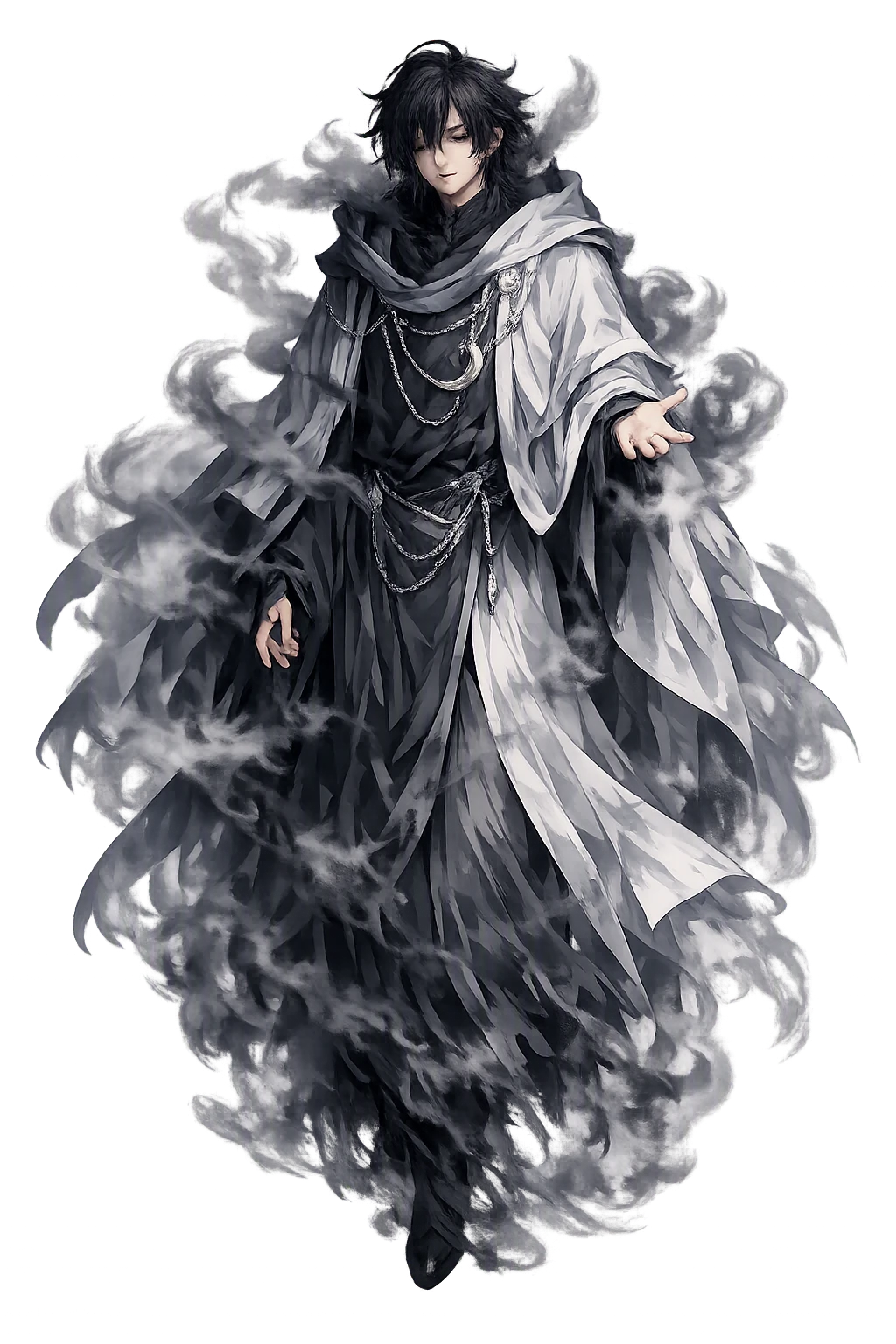
Óneiros is the Greek personification of the dream: the winged figure or figures who pass through the gates of horn and ivory, carrying true messages or false delusions to sleeping mortals. He is one of the many children of Nýx, Night, and in Homer he serves the gods as a messenger who takes human shape in sleep.

Óneiros in Later Traditions

The Greek Oneiroi were absorbed into Roman poetry as the children of Somnus, and Ovid's Morpheus, Phobetor, and Phantasos became the standard dream-figures of European literature. In the Near East, dream-gods and dream-demons had long served as messengers of the divine, and the Greek figure may have been shaped by contact with Mesopotamian and Egyptian oneirocritic traditions. Within Greek religion, dreams were often interpreted as communications from gods or the dead, and incubation sanctuaries — especially of Asklepios — specialized in healing dreams. Óneiros is the personification of that whole ambiguous commerce between sleepers and the divine.

Modern Legacy

Óneiros survives in the English word "oneiric" and in every discussion of dreams as prophecy, psychology, or art. Freud and Jung made the interpretation of dreams central to modern psychology; the Greek figure remains the mythic name for the dream as messenger. In literature, the gates of horn and ivory have been reused from Virgil to Chaucer to modern fantasy. Restoring Óneiros preserves the Greek length and accent that announce the dream as a power, not merely a private experience.

Unicode Restoration as Cultural Act

Restoring Óneiros in a domain name is more than orthographic accuracy. It is a statement that the internet should recognize the full range of human writing — not only the ASCII keyboard.

05

Frequently Asked Questions

Common questions about Óneiros, Dreams, Dream-Visions, and Unicode restoration

01How do you pronounce Óneiros?

In reconstructed pronunciation, Óneiros is /ˈo.nei̯.ros/ — approximately 'oh-NEH-ros' — stress on the first syllable, the middle vowel gliding like the 'ay' in 'say,' and a clean final '-ros'..

02What does Óneiros mean?

Óneiros means Dream in the greek tradition.

03What are the symbols of Óneiros?

Óneiros is associated with Wings (The speed with which dreams cross from the realm of sleep to the sleeper), Mist or cloud (The insubstantial, shifting nature of dream-visions), The gates of horn and ivory (The two paths by which true and false dreams reach mortals), Stars or night sky (The darkness from which dreams descend, children of Nýx).

04Why restore Óneiros in Unicode?

Plain ASCII oneiros strips the stress, length, and script that make the name specific. Unicode restoration returns the name to its original written dignity.

05What is the most important myth about Óneiros?

Hesiod lists Óneiros among the children of Nýx, born without a father: "And Nýx bore hateful Moîra and black Kēr, and Thanatos and Hypnos, and the tribe of Oneiroi." The Oneiroi are therefore siblings of death and sleep, related to fate and the dark. They are not gods of cult but powers of the night.

06

Scholarly Sources

The philological foundations of this restoration

Every claim on this page is grounded in established scholarship. The orthographic restorations follow disciplinary convention. The etymological chain follows the best available reference works. This is not invention — it is resurrection through scholarship.

Lexicography & Philology

  • Homer
  • Hesiod
  • Liddell, H. G., Scott, R., & Jones, H. S. A Greek-English Lexicon. Oxford: Clarendon Press, 9th ed. 1996.

Primary Texts

  • Hesiod, Theogony 211–212 (the children of Nýx, including the Oneiroi)
  • Homer, Iliad 2.1–83 (Zeús sends a dream to Agamemnon)
  • Homer, Odyssey 19.560–569 (the gates of horn and ivory)
  • Ovid, Metamorphoses 11.592–649 (the cave of Somnus and the dream-figures)

Archaeology & Art History

  • Material evidence — iconography, inscriptions, and temple archaeology — for Óneiros and related cults.
  • Óneiros is a literary and iconographic figure rather than a cult deity. Votive reliefs and vase-paintings sometimes show Hypnos (Sleep) and Thanatos (Death) with wings, and the dream as a small winged figure. The major material context is not a temple but the incubation sanctuaries of Asklepios, where sleepers sought healing dreams. The Greek oneirocritic tradition is preserved in papyri and Byzantine dream-manuals descended from older Near Eastern collections.

Religious Studies

  • LSJ, s.v. ὄνειρος, Ὄνειρος
  • Beekes, Etymological Dictionary of Greek, s.v. ὄνειρος
Return

The Surface Awaits

You have traced the name from its earliest attestation to its Unicode restoration. Now return to the myth. The story is where the name lives.

Back to Lore
Óneiros mascot