PuniCodex

Extended Lore

大物忌神 Omononushi

Etymology · Phonology · Orthography · Cultural Legacy · Primary Sources

Tier 2 Omononushi
Omononushi — Mountains, Deity of Miwa
01

Quick Facts

Essential information about Omononushi, Mountains, Deity of Miwa

Original Script大物忌神
Unicode RestorationOmononushi
Reconstructed Pronunciation/o.mo.no.nɯ.ɕi/
PantheonJapanese
DomainMountains, Deity of Miwa
MeaningGreat thing lord
ClassificationTier 2
Primary DomainOmononushi
Sacred SymbolsMount Miwa, Snake, Sake, Mirror
02

Etymology & Word Family

From original script to Unicode restoration

Original Script 大物忌神 Omononushi — "Great thing lord"
Unicode Restoration Omononushi Restored stress, length, and script
Modern ASCII omononushi Plain-ASCII fallback

Omononushi is Tier 2: plain Hepburn. He is an ancient mountain deity associated with Miwa and the land-transfer myth.

03

Unicode Character Breakdown

Character-by-character philological analysis

CharacterUnicodeNameBlockPhonetic Role
OU+004FLatin Capital Letter OBasic LatinSame, capitalized
mU+006DLatin Small Letter MBasic LatinSame
oU+006FLatin Small Letter OBasic LatinSame
nU+006ELatin Small Letter NBasic LatinSame
oU+006FLatin Small Letter OBasic LatinSame
nU+006ELatin Small Letter NBasic LatinSame
uU+0075Latin Small Letter UBasic LatinSame
sU+0073Latin Small Letter SBasic LatinSame
hU+0068Latin Small Letter HBasic LatinSame
iU+0069Latin Small Letter IBasic LatinSame

The Tier 2 classification reflects how much of the original phonology this restoration preserves — stress and vowel length for Greek names, distinctive letters and diacritics for every other tradition.

04

Cultural Significance

From ancient cult to modern Unicode

Ancient Domain

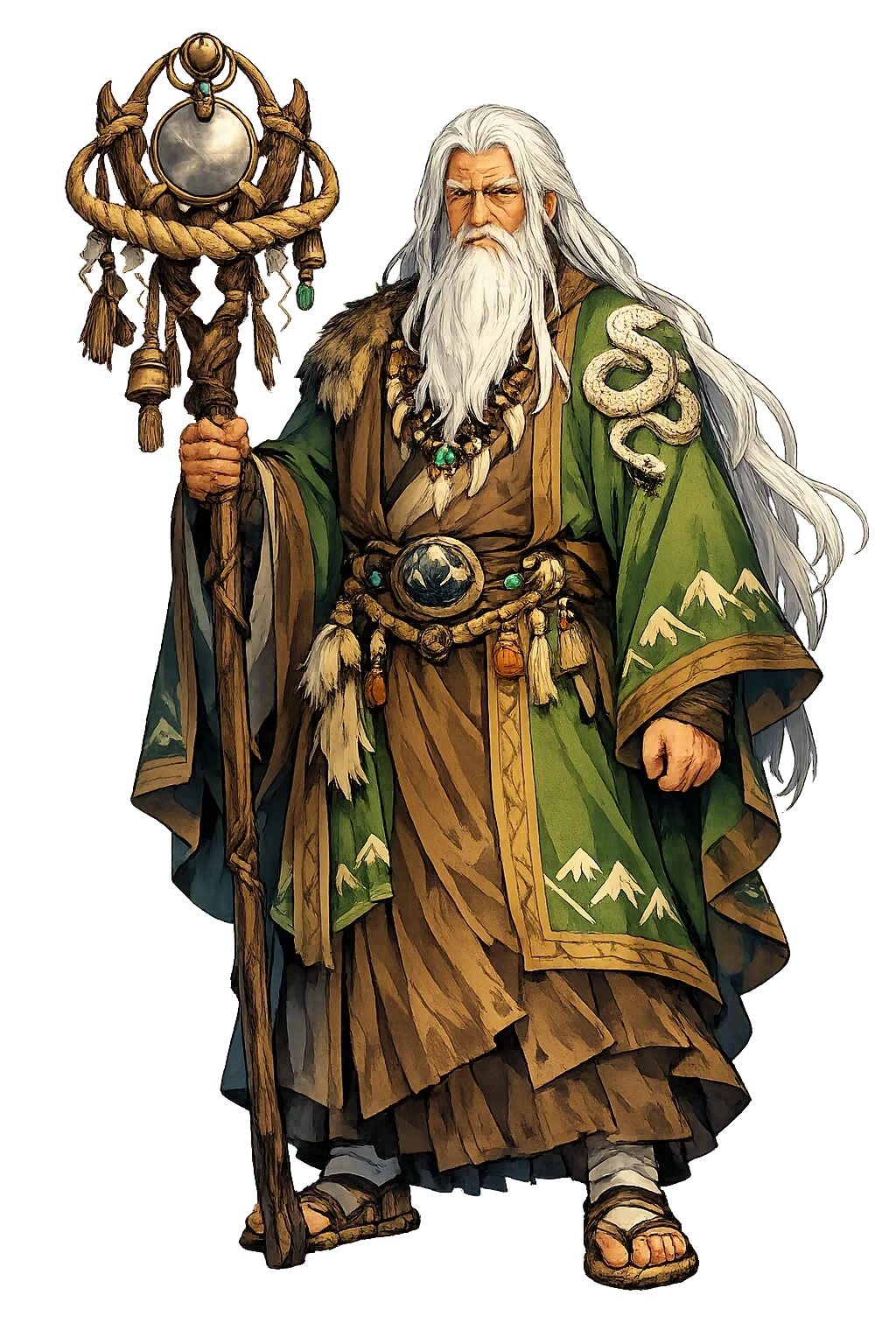
Ōmononushi is the mysterious kami of Mount Miwa, one of the oldest and most enigmatic deities in Japan. He is associated with snakes, oracles, and the transfer of the land to Amaterasu's descendants. Unlike most kami, he had no image and was worshipped in the form of the mountain itself.

Omononushi in Later Traditions

Ōmononushi is deeply intertwined with Ōkuninushi and with the serpent imagery of archaic Shinto. He represents the mountain as divine body and the oracle as a means of negotiating sovereignty. His identification with Ōkuninushi shows how local kami were gathered into imperial mythology.

Modern Legacy

Ōmiwa Shrine remains an active and revered site, attracting pilgrims who walk its cedar avenue toward the sacred mountain. The aniconic worship of Mount Miwa continues, preserving one of Japan's oldest forms of kami veneration.

Unicode Restoration as Cultural Act

Restoring Omononushi in a domain name is more than orthographic accuracy. It is a statement that the internet should recognize the full range of human writing — not only the ASCII keyboard.

05

Frequently Asked Questions

Common questions about Omononushi, Mountains, Deity of Miwa, and Unicode restoration

01How do you pronounce Omononushi?

In reconstructed pronunciation, Omononushi is /o.mo.no.nɯ.ɕi/ — approximately 'OH-moh-noh-noo-shee' — even syllables, with soft final vowels..

02What does Omononushi mean?

Omononushi means Great thing lord in the japanese tradition.

03What are the symbols of Omononushi?

Omononushi is associated with Mount Miwa (The mountain itself, worshipped as the kami's body), Snake (The form in which Ōmononushi appears in legends), Sake (Offered to the kami and associated with his serpent manifestation), Mirror (Used in divination and ritual at Ōmiwa Shrine).

04Why restore Omononushi in Unicode?

Plain ASCII omononushi strips the stress, length, and script that make the name specific. Unicode restoration returns the name to its original written dignity.

05What is the most important myth about Omononushi?

A beautiful woman named Ikutamayori was visited at night by a mysterious lover. She became pregnant, and her parents asked her to identify him. She placed a needle threaded with red silk in his garment and followed the thread in the morning. It led to Mount Miwa and disappeared into a cave. The kami revealed himself as Ōmononushi, a great serpent, and asked to be worshipped. The child born from this union became an ancestor of the Miwa priestly line.

06

Scholarly Sources

The philological foundations of this restoration

Every claim on this page is grounded in established scholarship. The orthographic restorations follow disciplinary convention. The etymological chain follows the best available reference works. This is not invention — it is resurrection through scholarship.

Lexicography & Philology

  • Kojiki
  • Nihon Shoki

Primary Texts

  • Kojiki (Ōmononushi and the serpent legend)
  • Nihon Shoki (land-transfer oracle)
  • Philippi, Kojiki

Archaeology & Art History

  • Material evidence — iconography, inscriptions, and temple archaeology — for Omononushi and related cults.
  • Ōmiwa Shrine at the foot of Mount Miwa is one of Japan's oldest shrine sites, with no main hall and worship directed toward the mountain. Archaeological work in the area has revealed ritual deposits and structures dating to the pre- and early historic periods.

Religious Studies

  • Comparative studies of japanese religion and the place of Omononushi within it.
Return

The Surface Awaits

You have traced the name from its earliest attestation to its Unicode restoration. Now return to the myth. The story is where the name lives.

Back to Lore
Omononushi mascot