
The Cult
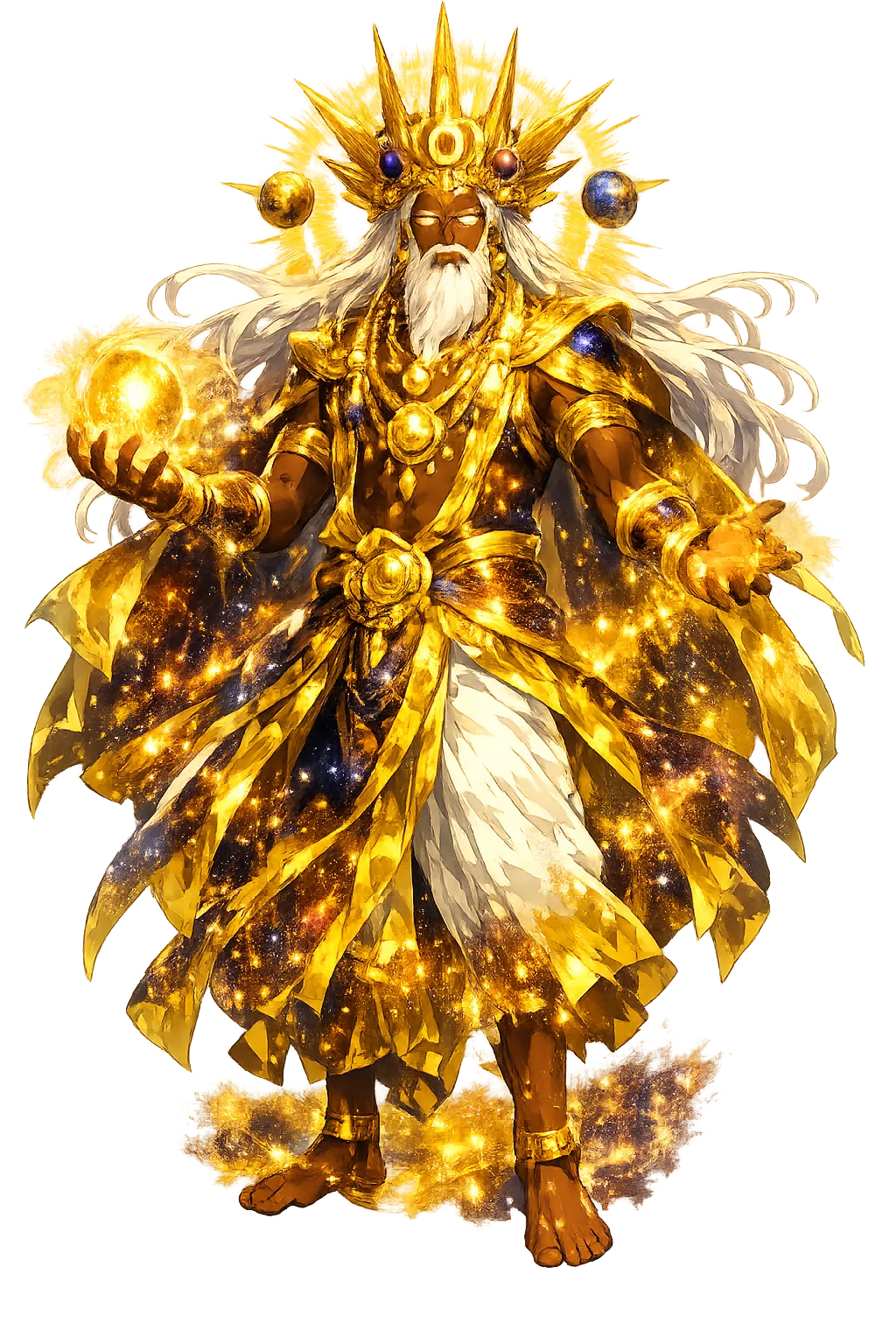
Olódùmarè is worshipped most where he is least approached: his cult is deliberately a non-cult. Yoruba theologians explain that the owner of the universe needs no temple, no image, no priesthood, no sacrifice — nothing can be added to him and nothing taken (Idowu 1962). Prayer reaches him through the sky; his witnesses are the sun and the rainbow; his éémí, the breath of life, is already in every body he made, so that breathing is itself the liturgy no priest performs. Early accounts describe open-air, sky-facing observance without idols. What exists of cult exists by indirection: every orisha festival honours him secondhand, every blessing ending 'Olódùmarè willing' names him, and in the diaspora his place is an empty seat above the altar — the transcendent made present by absence. The thinness of the evidence is the doctrine itself: a god who needs nothing cannot be bargained with, and a religion of delegates begins precisely here.