PuniCodex

Extended Lore

Ọbàtálá Ọbàtálá

Etymology · Phonology · Orthography · Cultural Legacy · Primary Sources

Tier 1 Ọbàtálá.com
Ọbàtálá — Creation, Purity, Peace
01

Quick Facts

Essential information about Ọbàtálá, Creation, Purity, Peace

Original ScriptỌbàtálá
Unicode RestorationỌbàtálá
Reconstructed Pronunciation/ɔ̀.bà.tá.lá/
PantheonYoruba
DomainCreation, Purity, Peace
MeaningKing of the white cloth
ClassificationTier 1
Primary DomainỌbàtálá.com
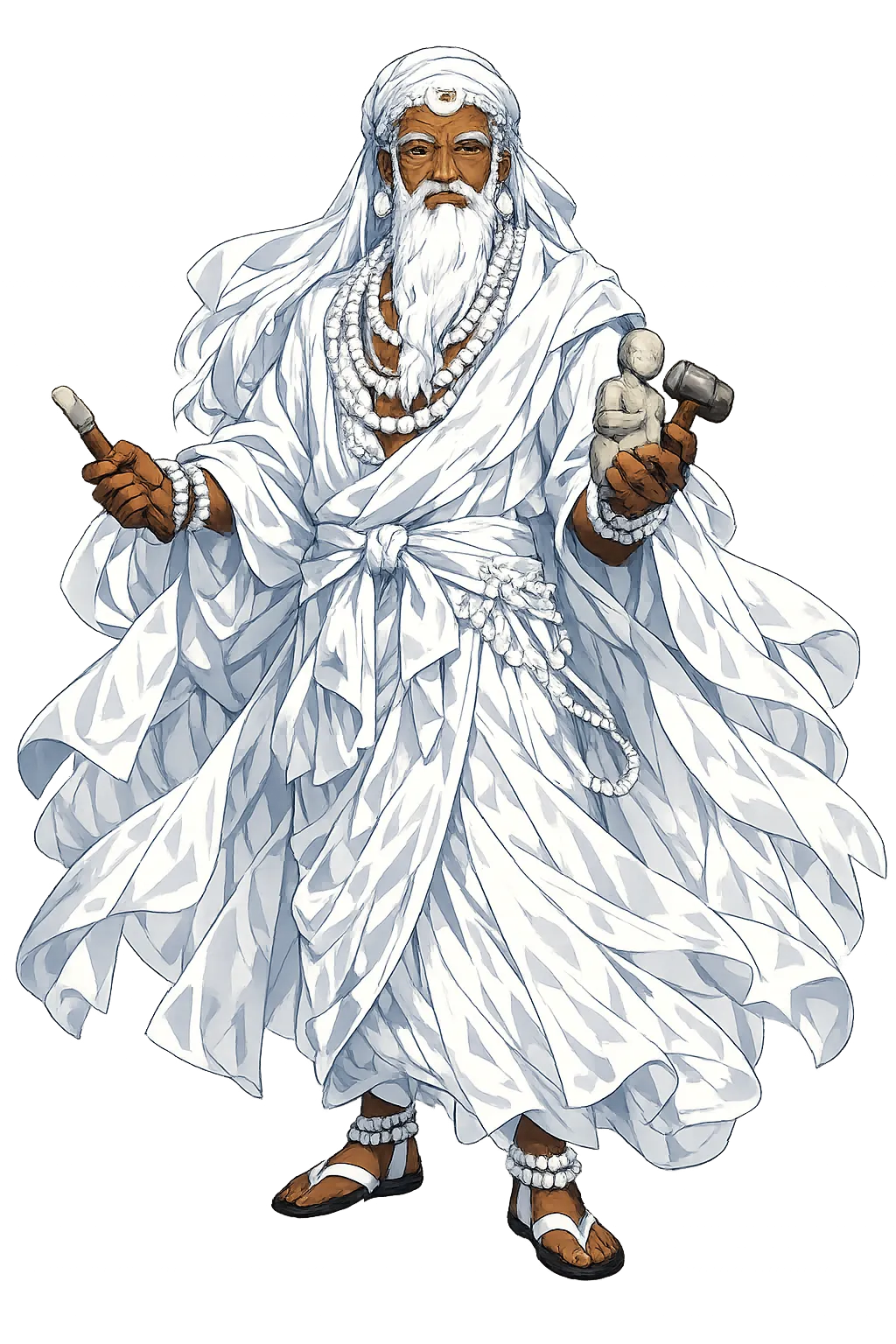
Sacred SymbolsWhite cloth, Snail shell, Ivory or white bead necklace, Calabash of cool water
02

Etymology & Word Family

From original script to Unicode restoration

Original Script Ọbàtálá Ọbàtálá — "King of the white cloth"
Unicode Restoration Ọbàtálá Restored stress, length, and script
Modern ASCII obatala Plain-ASCII fallback

Ọbatálá is Tier 1: the dot below ọ and the acute accents on the final two syllables are distinctive features the ASCII form loses, the acutes preserving high tones. The dot below ọ marks the open [ɔ] vowel, a phonemic distinction essential to Yoruba.

03

Unicode Character Breakdown

Character-by-character philological analysis

CharacterUnicodeNameBlockPhonetic Role
U+1ECCLatin Capital Letter O with Dot BelowUnknownO with dot below: open /ɔ/
bU+0062Latin Small Letter BBasic LatinSame
àU+00E0Latin Small Letter A with GraveLatin-1 SupplementGrave: low tone
tU+0074Latin Small Letter TBasic LatinSame
áU+00E1Latin Small Letter A with AcuteLatin-1 SupplementAcute: high tone
lU+006CLatin Small Letter LBasic LatinSame
áU+00E1Latin Small Letter A with AcuteLatin-1 SupplementAcute: high tone

The Tier 1 classification reflects how much of the original phonology this restoration preserves — stress and vowel length for Greek names, distinctive letters and diacritics for every other tradition.

04

Cultural Significance

From ancient cult to modern Unicode

Ancient Domain

Ọbatalá is the orixá who shapes humanity. While Olódùmarè breathes the soul into the body, Ọbatalá is the sculptor who moulds the limbs, the one whose hands first pressed cool clay into human form. He is the eldest of the orishas in many accounts, the patron of white cloth, purity, peace, and the aged. His voice is soft, his judgments slow, and his anger terrible precisely because it is so rare.

He is also the guardian of those whom the world calls imperfect: the disabled, the deformed, the albino. In Yoruba thought, these are not mistakes; they are Ọbatalá's own children, marked by his hand.

Ọbàtálá in Later Traditions

In Brazilian Candomblé, Ọbatalá became Oxalá, often syncretised with Jesus Christ in his role as the white-robed saviour and with the dove as a symbol of peace. In Cuban Santería he remains Obatalá, father of the white beads, and is sometimes divided into youthful and aged paths (Obatalá Ayáguna and Obatalá Orishánlá). The Catholic overlay preserved his colour and gentleness while translating his mythology into a Christian idiom of purity and creation.

Modern Legacy

Ọbatalá's influence extends far beyond formal religion. The Yoruba value of ìtẹ̀lọ́rùn — patience, coolness of heart — is modelled on his temperament. In the African diaspora, his white garments appear in Candomblé, Santería, and Trinidad Orisha. Artists and disability-rights advocates have reclaimed him as a divine patron of bodily difference, while environmental thinkers see in his clay-and-breath creation story an early recognition that matter and spirit are not separate.

Unicode Restoration as Cultural Act

Restoring Ọbàtálá in a domain name is more than orthographic accuracy. It is a statement that the internet should recognize the full range of human writing — not only the ASCII keyboard.

05

Frequently Asked Questions

Common questions about Ọbàtálá, Creation, Purity, Peace, and Unicode restoration

01How do you pronounce Ọbàtálá?

In reconstructed pronunciation, Ọbàtálá is /ɔ̀.bà.tá.lá/ — approximately aw-bah-TAH-LAH — low on 'aw-bah', then high on 'TAH-LAH'..

02What does Ọbàtálá mean?

Ọbàtálá means King of the white cloth in the yoruba tradition.

03What are the symbols of Ọbàtálá?

Ọbàtálá is associated with White cloth (Purity, coolness, and the veil between the human and the divine.), Snail shell (The slow, deliberate pace of Ọbatalá's wisdom and the spiral of creation.), Ivory or white bead necklace (His sacred colour and the wealth of patience.), Calabash of cool water (Coolness of temperament; the antidote to hot anger.).

04What is the difference between Ọbàtálá.com?

Each is a historically defensible restoration. Ọbatálá.com is the owned form: Previous owned form; the current primary adds the low tone on ba (Ọbàtálá).

05Why restore Ọbàtálá in Unicode?

Plain ASCII obatala strips the stress, length, and script that make the name specific. Unicode restoration returns the name to its original written dignity.

06What is the most important myth about Ọbàtálá?

When Olódùmarè decided to populate the earth, he sent Ọbatalá down with a lump of clay. Ọbatalá shaped the first human bodies with care, but one day he drank too much palm wine and some of his figures came out twisted or incomplete. Olódùmarè breathed life into them anyway, and ever since Ọbatalá has forbidden palm wine to his devotees and taken the deformed as his own special children.

06

Scholarly Sources

The philological foundations of this restoration

Every claim on this page is grounded in established scholarship. The orthographic restorations follow disciplinary convention. The etymological chain follows the best available reference works. This is not invention — it is resurrection through scholarship.

Lexicography & Philology

  • Abraham

Primary Texts

  • The Ifá divination corpus; ọ̀rọ̀ àṣà and oríkì traditions; Abraham’s Dictionary of Modern Yoruba.

Archaeology & Art History

  • Material evidence — iconography, inscriptions, and temple archaeology — for Ọbàtálá and related cults.
  • Ọbatalá's cult left material traces in white-cloth offerings, soapstone and ivory figures, and elaborate beadwork recovered from Yoruba royal and ritual sites. In the diaspora, his white necklaces, snail shells, and calabashes are conserved in museum collections of Afro-Cuban and Afro-Brazilian religion, while oral Ifá corpora preserve the creation narrative in which he shapes human bodies from clay.

Religious Studies

  • Idowu, Olódùmarè: God in Yoruba Belief
  • Bascom, Ifa Divination
  • Abraham, Dictionary of Modern Yoruba
  • Mason, Four New World Yoruba Rituals
  • Verger, Notes sur le Culte des Orisa et Vodun
  • Murphy, Santería: African Spirits in America
Return

The Surface Awaits

You have traced the name from its earliest attestation to its Unicode restoration. Now return to the myth. The story is where the name lives.

Back to Lore
Ọbàtálá mascot