PuniCodex

Extended Lore

נֹחַ Nōaḥ

Etymology · Orthography · Cult · Iconography · Reception · Sources

Tier 1 Nōaḥ.com
Nōaḥ — Patriarch, Survivor
01

Quick Facts

Essential information about Nōaḥ, Patriarch, Survivor

Original Scriptנֹחַ
Unicode RestorationNōaḥ
Reconstructed Pronunciation/ˈnoːaħ/
PantheonCanaanite
DomainPatriarch, Survivor
MeaningBuilder of the ark
ClassificationTier 1
Primary DomainNōaḥ.com
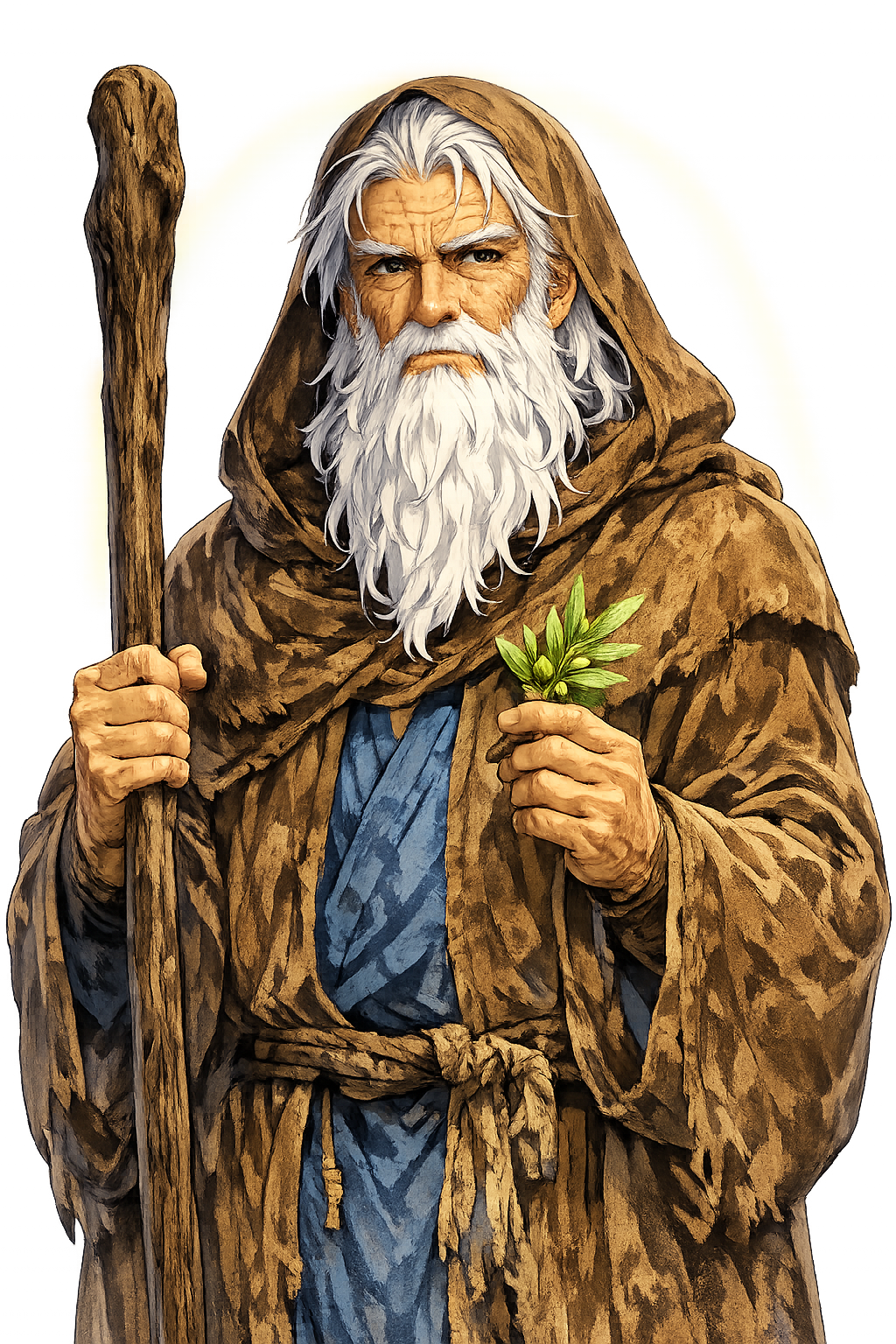
Sacred SymbolsArk, Dove, Olive branch, Rainbow, Wine
02

Etymology & Word Family

From original script to Unicode restoration

Original Script נֹחַ Nōaḥ — "Builder of the ark"
Unicode Restoration Nōaḥ Restored stress, length, and script
Modern ASCII noah Plain-ASCII fallback

The name Nōaḥ carries the orthographic signature of the canaanite tradition: נֹחַ. Unicode restoration recovers what ASCII flattens.

03

Unicode Character Breakdown

Character-by-character philological analysis

CharacterUnicodeNameBlockPhonetic Role
NU+004ELatin Capital Letter NBasic LatinSame, capitalized
ōU+014DLatin Small Letter O with MacronLatin Extended-AMacron: long vowel
aU+0061Latin Small Letter ABasic LatinSame
ḥU+1E25Latin Small Letter H with Dot BelowUnknownVoiceless pharyngeal fricative

The Tier 1 classification reflects how much of the original phonology this restoration preserves — stress and vowel length for Greek names, distinctive letters and diacritics for every other tradition.

04

Cult & Worship

How the sacred was kept — rites, sanctuaries, remains

The Cult

Noah received no ancient cult — no temple, priesthood, or festival of Noah is known from the biblical world — but three traditions built his commemoration anyway. Judaism made his story a yearly Sabbath reading, Parashat Noach, and his covenant a legal category: the seven Noahide laws, codified by Maimonides in the Mishneh Torah, as the minimal charge laid upon all humanity. Armenian tradition went further: the fifth-century historian Moses of Khorene made Nakhichevan — understood in Armenian as the place where Noah first came down — the patriarch's first settlement, and his mausoleum still stands there. Islam gave him a tomb as well: the Nabi Nuh shrine near Cizre in the southeast, honored for centuries as his burial place. His votive evidence is thus entirely literary and topographical — a set of laws, a mountain city, and tombs claimed on the edge of three civilizations.

In the Earth

No archaeological evidence has been found for a global flood or for Noah's ark, and the search for the 'mountains of Ararat' — focused on Mount Ararat in eastern Turkey — has produced no credible remains. Mesopotamian excavations at Ur, Kish, Uruk, and Shuruppak revealed flood deposits in early levels, and the discovery of the Gilgamesh tablets at Nineveh in the nineteenth century placed the closest ancient parallels of the story on clay within living memory of the biblical text. The Atrahasis and Gilgamesh XI tablets remain the decisive 'archaeology' of the flood: physical proof that the Hebrew account stands in a documented Mesopotamian tradition of deluge narratives, older than the Bible's own manuscripts by well over a millennium.

05

Iconography

How Nōaḥ was imaged across the ages

The Image

Noah entered art early and stayed. Third-century Roman catacomb painting shows him in the ark — a box-like vessel, arms lifted in the orant's prayer, the dove returning with the leaf: the earliest Christian image of the flood, made while the empire still persecuted the faith. Early Christian sarcophagi kept the scene as a type of rescue through water. The sixth-century Vienna Genesis (Österreichische Nationalbibliothek) gives the most beautiful antique version — a floating chest tossing on stylized green waves, horses drowning beneath it. Byzantine and medieval art floated the ark from chest to houseboat to full-rigged ship, the shape drifting ever further from Genesis' dimensions, while the mosaic cycles of San Marco in Venice and the Florence Baptistery told his whole story in gold. Michelangelo closed the Renaissance sequence with the Sistine ceiling's two great panels: the Deluge and the Drunkenness of Noah (1508–1512). Recognition is instant — ark, dove, olive branch, rainbow — and, darker, the vineyard that undid him.

06

Reception & Transformation

The name after its own age — transmission, translation, survival

Afterlives

Noah's journey is the story of a story. The early church made him a type: the First Epistle of Peter reads the eight souls saved through water as a prefiguring of baptism, and the Second calls him 'a herald of righteousness.' Origen found Christ in the ark's single door, and Augustine built an entire ecclesiology on the vessel's proportions in the City of God (15.26). The twelfth century gave the image its most original medieval form: Hugh of St Victor's treatise on Noah's Ark mapped the vessel as a diagram of the soul and the world — theology drawn as architecture. The Baroque measured it: Athanasius Kircher's Arca Noë (1675) engineered the ark in full nautical detail, stalls and rigging included. Eighteenth-century Freemasonry enrolled Noah among its legendary builders, and the word Noachite still marks that lineage. Modern scholarship widened the frame again: Gunkel's Schöpfung und Chaos (1895) set the flood beside Babylonian cosmogony, and Frazer's Folklore in the Old Testament (1918) catalogued deluge tales from every continent — Noah becoming at once a patriarch and a test case in how myth travels between rivers. The rainbow he was given still closes his story the way it opened it: as a signature, not a weapon.

Identifications Across Traditions

The flood story is one of humanity's most widespread narratives. In Mesopotamia, the Atrahasis epic and Tablet XI of the Epic of Gilgamesh tell of Utnapishtim, who builds a boat at the gods' secret command and survives the deluge they send — and Gilgamesh hears the tale at the ends of the earth. Greek tradition gives Deucalion and Pyrrha, who repopulate the earth after Zeus's deluge by casting stones that become people (Apollodorus 1.7.2; Ovid, Met. 1). Hindu tradition remembers Manu, warned by the fish avatāra of Vishnu; the Qur'an recounts the prophet Nūḥ and the ark that saves the believers and pairs of every creature (Q 11, 23, 71). These parallels do not reduce Noah to a copy; they show how a single catastrophic memory — or archetype — was told and retold across the ancient world, with each tradition bending the flood toward its own theology: the gods' regret, the warning of piety, or the covenant of a single just man.

Modern Legacy

Nōaḥ has become the patron of second chances. The ark appears in countless children's books, nursery decorations, and films, often as a cheerful menagerie, though the original story is far darker. In Jewish tradition, the Noahide laws define a minimal moral covenant for all humanity, and the name remains among the most common in the Jewish world. Environmental movements have claimed Noah as a symbol of stewardship over species — every creature aboard or lost. The rainbow, originally a warrior's bow hung upside down, has become an emblem of peace and, in recent centuries, of LGBTQ+ pride. From medieval mystery plays to modern Hollywood blockbusters, Noah remains the survivor everyone recognizes: the man who did exactly what he was told, and lived to regret only the wine.

07

The Meditation

What Nōaḥ means — beyond the dictionary

Nōaḥ is the man who saves the world and then gets drunk in it. The story does not flatter him: he is righteous, but he is also small, frightened, and morally complicated. His survival is an act of grace, not a reward for perfection. In that, he is a corrective to every culture that imagines salvation belongs to the strong or the pure.

The ark is a floating library of everything that cannot be replaced. To enter it is to accept a terrible narrowing: the whole world must fit inside one family, one boat, one awkward covenant. Noah teaches that preservation often looks like confinement, and that the new world begins not with triumph but with nausea, grief, and a dove's uncertain flight. To remember him is to remember that we are all, in some sense, survivors of a flood we did not choose — and heirs of a promise we did not earn.

08

Frequently Asked Questions

Common questions about Nōaḥ, Patriarch, Survivor, and Unicode restoration

01How do you pronounce Nōaḥ?

In reconstructed pronunciation, Nōaḥ is /ˈnoːaħ/ — approximately 'NOH-ahkh' — stress the first syllable and hold the 'o'; the final syllable is a quick 'ah' followed by a throaty 'kh' as in Scottish 'loch'.

02What does Nōaḥ mean?

Nōaḥ means Builder of the ark in the canaanite tradition.

03What are the symbols of Nōaḥ?

Nōaḥ is associated with Ark (The vessel of preservation and the container of a renewed creation), Dove (Peace, the Holy Spirit in later tradition, and the first messenger of dry land), Olive branch (Reconciliation and the return of plant life after destruction), Rainbow (The sign of the universal covenant between God and all flesh), Wine (Agricultural renewal and the vulnerability that follows survival).

04Why restore Nōaḥ in Unicode?

Plain ASCII noah strips the stress, length, and script that make the name specific. Unicode restoration returns the name to its original written dignity.

05What is the most important myth about Nōaḥ?

“The Righteous Man in a Corrupt Age” — the Genesis 6 story that anchors the mythology of Nōaḥ, told in full on the lore page.

09

Scholarly Sources

The philological foundations of this restoration

Every claim on this page is grounded in established scholarship. The orthographic restorations follow disciplinary convention. The etymological chain follows the best available reference works. This is not invention — it is resurrection through scholarship.

◈

Lexicography & Philology

  • Abraham
◎

Primary Texts

  • Atrahasis (Old Babylonian flood epic)
  • Epic of Gilgamesh, Tablet XI (Utnapishtim's flood)
◉

Archaeology & Art History

  • Material evidence — iconography, inscriptions, and temple archaeology — for Nōaḥ and related cults.
✦

Religious Studies

  • Genesis 5:29–9:29 (the flood narrative)
  • Qur'an, Surah 11 (Hud), Surah 23 (al-Mu'minun), and Surah 71 (Nuh)
  • Koehler, L., and W. Baumgartner, The Hebrew and Aramaic Lexicon of the Old Testament (HALOT), s.v. נֹחַ
  • Botterweck, G. J., and H. Ringgren (eds.), Theological Dictionary of the Old Testament (TDOT), s.v. Noah
Return

The Surface Awaits

You have traced the name from its earliest attestation to its Unicode restoration. Now return to the myth. The story is where the name lives.

Back to Lore
Nōaḥ mascot