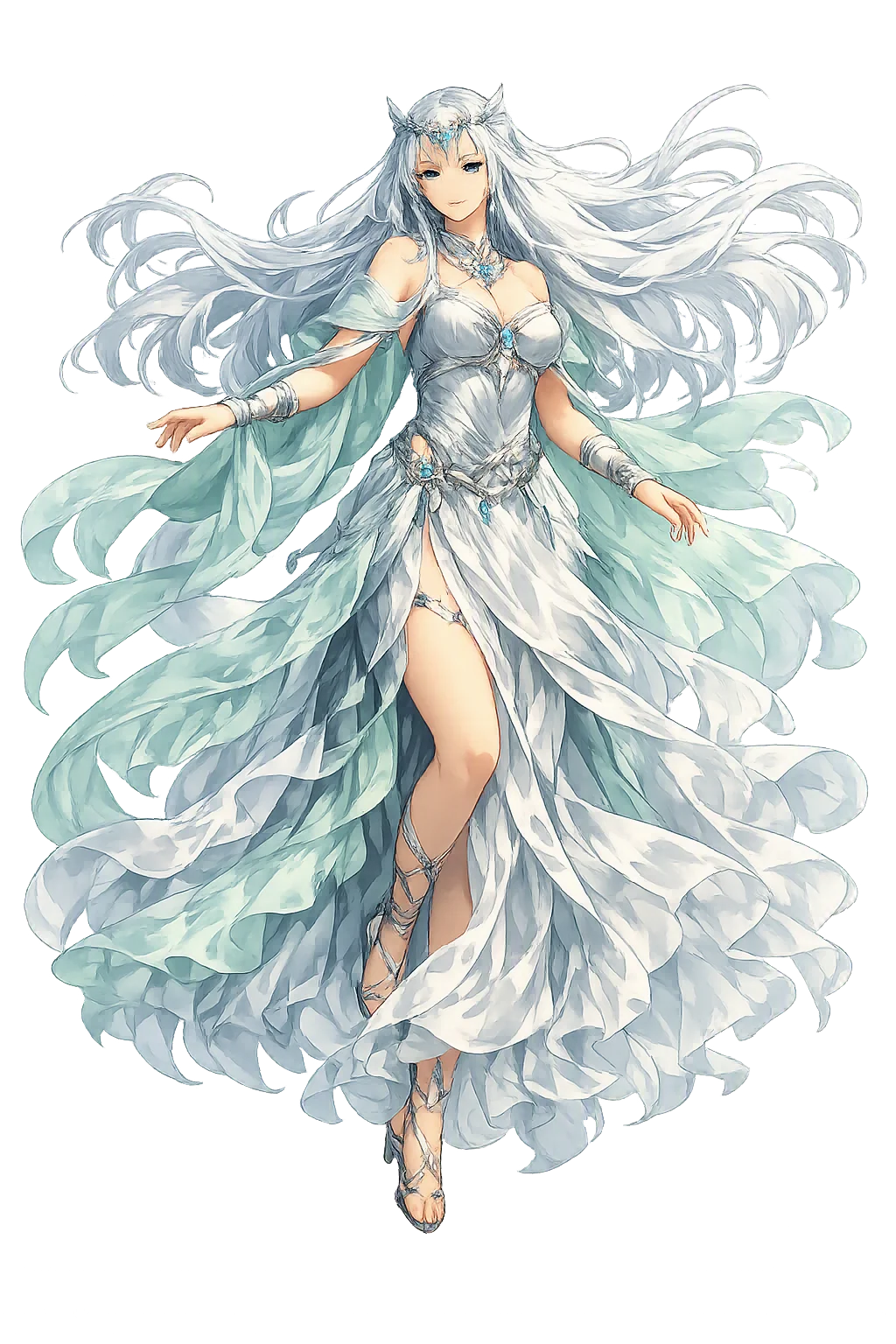
PuniCodex

Extended Lore

𒀭𒊩𒌆𒆤 Ninlil

Etymology · Phonology · Orthography · Cultural Legacy · Primary Sources

Tier 2 Ninlil
Ninlil — Wind, Air
01

Quick Facts

Essential information about Ninlil, Wind, Air

Original Script𒀭𒊩𒌆𒆤
Unicode RestorationNinlil
Reconstructed Pronunciation/nɪnˈlɪl/
PantheonMesopotamian
DomainWind, Air
MeaningLady of the wind
ClassificationTier 2
Primary DomainNinlil
Sacred SymbolsWind and breath, Crescent moon, Gate and canal, Grain and reed, Horned crown
02

Etymology & Word Family

From original script to Unicode restoration

Original Script 𒀭𒊩𒌆𒆤 Ninlil — "Lady of the wind"
Unicode Restoration Ninlil Restored stress, length, and script
Modern ASCII ninlil Plain-ASCII fallback

Ninlil is Tier 2: the canonical Unicode restoration is identical to the ASCII form, with no distinctive diacritic or non-ASCII letter preserved. The name is the same in both forms; what the temple protects is not a phonological mark but the proper-name capitalization and the scholarly framing of a Sumerian theonym. Standard Assyriology writes Ninlil; PuniCodex presents the plain form as a baseline restoration of a Mesopotamian divine name.

03

Unicode Character Breakdown

Character-by-character philological analysis

CharacterUnicodeNameBlockPhonetic Role
NU+004ELatin Capital Letter NBasic LatinSame, capitalized
iU+0069Latin Small Letter IBasic LatinSame
nU+006ELatin Small Letter NBasic LatinSame
lU+006CLatin Small Letter LBasic LatinSame
iU+0069Latin Small Letter IBasic LatinSame
lU+006CLatin Small Letter LBasic LatinSame

The Tier 2 classification reflects how much of the original phonology this restoration preserves — stress and vowel length for Greek names, distinctive letters and diacritics for every other tradition.

04

Cultural Significance

From ancient cult to modern Unicode

Ancient Domain

Ninlil is the Sumerian goddess of the wind and the air, the consort of Enlil and queen of the Mesopotamian pantheon. Her name, written 𒀭𒊩𒌆𒆤, simply means 'Lady of the Wind' — nin ('lady, queen') plus lil ('wind, air'). Where Enlil commands the storm and the decree of kingship, Ninlil is the gentler sovereign of the moving air itself: the breath that fills the lungs, the breeze that carries pollen, and the unseen presence that links heaven and earth.

This temple honours Ninlil as both queen and mother. She is the mother of Nanna/Sîn the moon, of Nergal lord of the underworld, of Ninazu, and of Enbilulu the canal inspector. The myth Enlil and Ninlil (ETCSL 1.2.1) weaves her story together with the theological geography of Mesopotamia: even the queen of the air must know the underworld, because descent and generation are inseparable in the Sumerian cosmos.

Ninlil in Later Traditions

The Unicode form Ninlil is a baseline restoration: standard Assyriology writes the name without diacritics, and the canonical PuniCodex form preserves that plain spelling while asserting proper-name status. In Akkadian and Assyrian sources Ninlil was identified with Mullissu (also spelled Mulliltu), the consort of the national god Aššur. In Hittite and Hurrian milieus her functions were partly absorbed by the great goddess Hepat and by local consort deities. Greek and Roman writers had no direct equivalent for Ninlil, though her rank as queen of the gods and her association with air invite loose comparison with Hera or Juno; the comparison, however, is typological rather than historical.

Modern Legacy

Ninlil survives in Assyriological scholarship and in the modern recovery of Sumerian religion through ETCSL and the great lexical projects of the twentieth and twenty-first centuries. She is less famous in popular culture than her daughter Ištar or her consort Enlil, yet her role as wind-queen and mother of lunar and netherworld powers makes her essential to any coherent picture of the Mesopotamian pantheon. The name Ninlil is sometimes adopted by fantasy settings and neopagan circles as an emblem of air, sovereignty, and the unseen. PuniCodex presents the plain ASCII form not as a deficiency but as a philologically honest baseline: there is no recovered diacritic to restore, only the name itself to remember.

Unicode Restoration as Cultural Act

Restoring Ninlil in a domain name is more than orthographic accuracy. It is a statement that the internet should recognize the full range of human writing — not only the ASCII keyboard.

05

Frequently Asked Questions

Common questions about Ninlil, Wind, Air, and Unicode restoration

01How do you pronounce Ninlil?

In reconstructed pronunciation, Ninlil is /nɪnˈlɪl/ — approximately 'nin-LIL' — stress the second syllable and let the name end with a light, breathy lilt, like wind passing through reeds..

02What does Ninlil mean?

Ninlil means Lady of the wind in the mesopotamian tradition.

03What are the symbols of Ninlil?

Ninlil is associated with Wind and breath (The invisible air that sustains life and carries the voice of command), Crescent moon (The sign of her son Nanna/Sîn, the moon god), Gate and canal (The liminal places where Ninlil meets Enlil in the myth of their union), Grain and reed (The crops that bend in the wind and depend on air-borne pollination), Horned crown (The crown of divine queenship worn by the chief consort of the king of gods).

04Why restore Ninlil in Unicode?

Plain ASCII ninlil strips the stress, length, and script that make the name specific. Unicode restoration returns the name to its original written dignity.

05What is the most important myth about Ninlil?

The Sumerian poem Enlil and Ninlil (ETCSL 1.2.1) tells how the young god Enlil saw Ninlil by the canal at Nippur and desired her. After he impregnated her, the assembled gods banished him from the city for his offence. Ninlil followed him into exile. In the underworld Enlil met her three times in disguise — as the gatekeeper, the river-man, and the ferryman — and each union produced a child: Nergal, Ninazu, and Enbilulu. The story explains the origin of three underworld or chthonic deities and makes theological sense of descent: even the king and queen of the air must generate the powers of the depths.

06

Scholarly Sources

The philological foundations of this restoration

Every claim on this page is grounded in established scholarship. The orthographic restorations follow disciplinary convention. The etymological chain follows the best available reference works. This is not invention — it is resurrection through scholarship.

â—ˆ

Lexicography & Philology

  • ETCSL
  • Black-Green
â—Ž

Primary Texts

  • The Epic of Gilgamesh; Sumerian temple hymns and Akkadian ritual texts.
â—‰

Archaeology & Art History

  • George, House Most High: The Temples of Ancient Mesopotamia
  • Sumerian Temple Hymns
  • Cuneiform tablets from Nippur, Ur, and Assur attest Ninlil's cult from the Early Dynastic period into the first millennium BCE. The Ekur sanctuary at Nippur, excavated by the University of Pennsylvania and Iraqi teams, preserves the architectural setting of her worship alongside Enlil. Assyrian royal inscriptions from Nineveh and Assur name Mullissu/Ninlil as the divine consort who legitimises the king, while cylinder seals and votive objects depict her wearing the horned crown of divine queenship.
✦

Religious Studies

  • ETCSL
  • Black & Green, Gods, Demons and Symbols of Ancient Mesopotamia
  • Jacobsen, The Treasures of Darkness
  • Kramer, Sumerian Literary Texts from Nippur
  • Enlil and Ninlil (ETCSL 1.2.1)
Return

The Surface Awaits

You have traced the name from its earliest attestation to its Unicode restoration. Now return to the myth. The story is where the name lives.

Back to Lore
Ninlil mascot