PuniCodex

Extended Lore

邇邇芸命 Ninigi

Etymology · Phonology · Orthography · Cultural Legacy · Primary Sources

Tier 2 Ninigi
Ninigi — Rice, Descendant of Amaterasu
01

Quick Facts

Essential information about Ninigi, Rice, Descendant of Amaterasu

Original Script邇邇芸命
Unicode RestorationNinigi
Reconstructed Pronunciation/ni.ni.ɡi/
PantheonJapanese
DomainRice, Descendant of Amaterasu
MeaningThe august rice spirit
ClassificationTier 2
Primary DomainNinigi
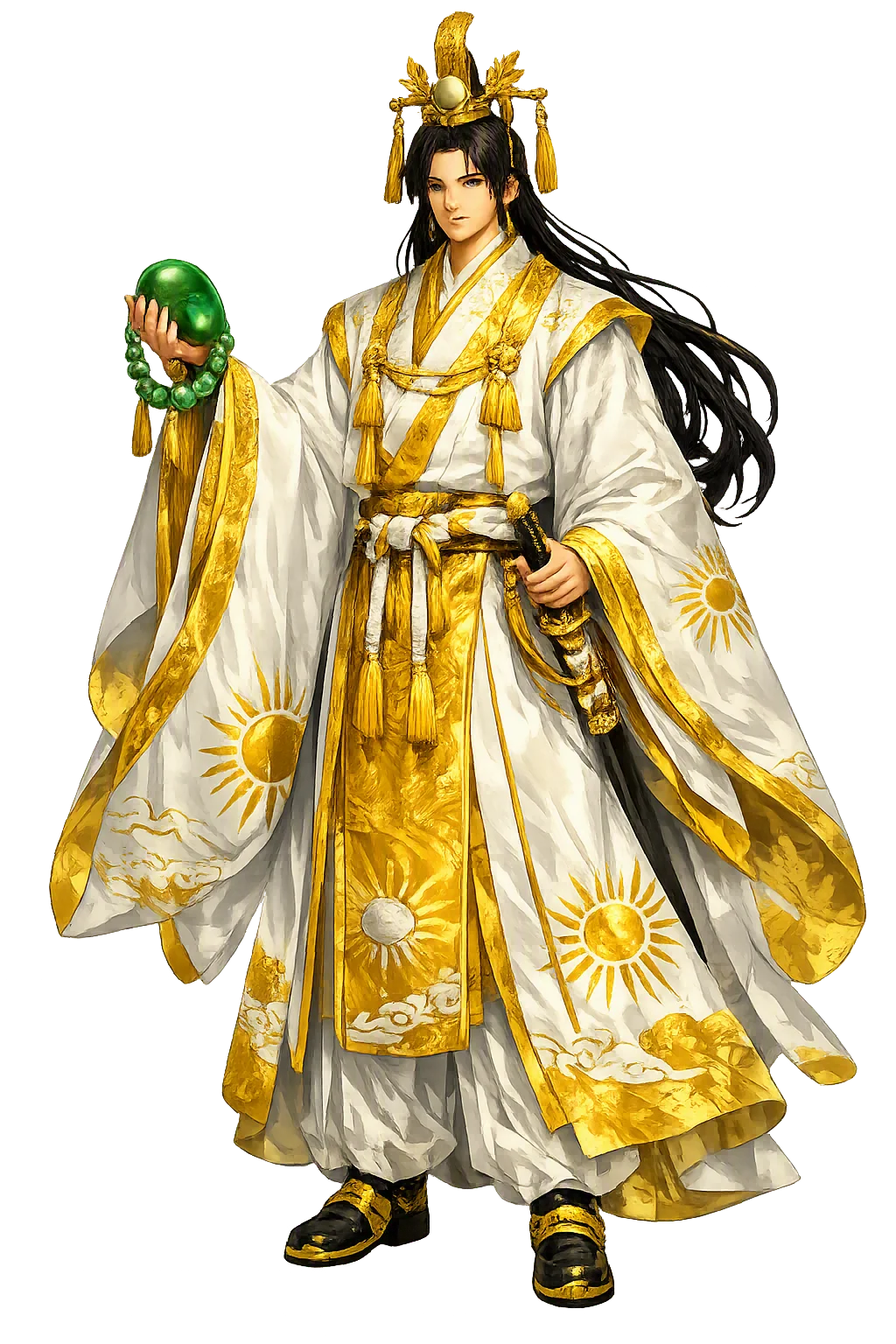
Sacred SymbolsThree Sacred Regalia, Rice, Takachiho, Heavenly robe
02

Etymology & Word Family

From original script to Unicode restoration

Original Script 邇邇芸命 Ninigi — "The august rice spirit"
Unicode Restoration Ninigi Restored stress, length, and script
Modern ASCII ninigi Plain-ASCII fallback

Ninigi is Tier 2: plain Hepburn. He is the heavenly grandson sent to rule the terrestrial world.

03

Unicode Character Breakdown

Character-by-character philological analysis

CharacterUnicodeNameBlockPhonetic Role
NU+004ELatin Capital Letter NBasic LatinSame, capitalized
iU+0069Latin Small Letter IBasic LatinSame
nU+006ELatin Small Letter NBasic LatinSame
iU+0069Latin Small Letter IBasic LatinSame
gU+0067Latin Small Letter GBasic LatinSame
iU+0069Latin Small Letter IBasic LatinSame

The Tier 2 classification reflects how much of the original phonology this restoration preserves — stress and vowel length for Greek names, distinctive letters and diacritics for every other tradition.

04

Cultural Significance

From ancient cult to modern Unicode

Ancient Domain

Ninigi is the grandson of Amaterasu, sent from heaven to rule the terrestrial world and establish the imperial line. He descended to Takachiho in Kyūshū bearing the Three Sacred Regalia — the mirror, the sword, and the jewel — and his great-grandson became Emperor Jimmu, the legendary first emperor of Japan.

Ninigi in Later Traditions

Ninigi is primarily an imperial genealogical figure rather than a widely worshipped deity. His role connects solar mythology, agricultural sovereignty, and political legitimacy. In State Shinto, his descent was taught as the founding event of the Japanese nation.

Modern Legacy

Ninigi is remembered chiefly in imperial rites and in the mythology taught in Japanese schools. Takachiho remains a pilgrimage site associated with his descent, and the Three Sacred Regalia continue to symbolize imperial legitimacy.

Unicode Restoration as Cultural Act

Restoring Ninigi in a domain name is more than orthographic accuracy. It is a statement that the internet should recognize the full range of human writing — not only the ASCII keyboard.

05

Frequently Asked Questions

Common questions about Ninigi, Rice, Descendant of Amaterasu, and Unicode restoration

01How do you pronounce Ninigi?

In reconstructed pronunciation, Ninigi is /ni.ni.ɡi/ — approximately 'NEE-nee-gee' — light, even syllables; the 'g' is hard..

02What does Ninigi mean?

Ninigi means The august rice spirit in the japanese tradition.

03What are the symbols of Ninigi?

Ninigi is associated with Three Sacred Regalia (The mirror, sword, and jewel that legitimize imperial rule), Rice (The agricultural foundation of his name and authority), Takachiho (The Kyūshū peak where he descended from heaven), Heavenly robe (The divine garments that accompanied his descent).

04Why restore Ninigi in Unicode?

Plain ASCII ninigi strips the stress, length, and script that make the name specific. Unicode restoration returns the name to its original written dignity.

05What is the most important myth about Ninigi?

Amaterasu decided that her grandson Ninigi should rule the terrestrial world. She gave him the Three Sacred Regalia and sent him down to Takachiho in Kyūshū. The earthly kami Ōkuninushi initially resisted but eventually submitted after negotiations and divine pressure. Ninigi thus established heavenly rule over the land.

06

Scholarly Sources

The philological foundations of this restoration

Every claim on this page is grounded in established scholarship. The orthographic restorations follow disciplinary convention. The etymological chain follows the best available reference works. This is not invention — it is resurrection through scholarship.

Lexicography & Philology

  • Kojiki
  • Nihon Shoki

Primary Texts

  • Kojiki (Ninigi's descent and marriage)
  • Nihon Shoki (parallel descent account)
  • Philippi, Kojiki

Archaeology & Art History

  • Material evidence — iconography, inscriptions, and temple archaeology — for Ninigi and related cults.
  • Ninigi has no independent material cult. His significance is preserved in the textual genealogy of the imperial house and in sites such as Takachiho, where his descent is commemorated.

Religious Studies

  • Comparative studies of japanese religion and the place of Ninigi within it.
Return

The Surface Awaits

You have traced the name from its earliest attestation to its Unicode restoration. Now return to the myth. The story is where the name lives.

Back to Lore
Ninigi mascot