PuniCodex

Extended Lore

𒀭𒉆𒋻 Namtar

Etymology · Phonology · Orthography · Cultural Legacy · Primary Sources

Tier 2 Namtar
Namtar — Fate, Death Demon
01

Quick Facts

Essential information about Namtar, Fate, Death Demon

Original Script𒀭𒉆𒋻
Unicode RestorationNamtar
Reconstructed Pronunciation/namˈtar/
PantheonMesopotamian
DomainFate, Death Demon
MeaningFate, destiny
ClassificationTier 2
Primary DomainNamtar
Sacred SymbolsCuneiform wedge, Stylus and tablet, Pestilence cloud, Threshold of the underworld, Knife or sickle
02

Etymology & Word Family

From original script to Unicode restoration

Original Script 𒀭𒉆𒋻 Namtar — "Fate, destiny"
Unicode Restoration Namtar Restored stress, length, and script
Modern ASCII namtar Plain-ASCII fallback

Namtar is Tier 2: the Unicode restoration Namtar carries no distinctive diacritic or non-ASCII letter that the ASCII form loses. The name is presented in its scholarly transliteration, preserving the Sumerian/Akkadian spelling but without reconstructive vowel-length marks that would push it to Tier 1.

03

Unicode Character Breakdown

Character-by-character philological analysis

CharacterUnicodeNameBlockPhonetic Role
NU+004ELatin Capital Letter NBasic LatinSame, capitalized
aU+0061Latin Small Letter ABasic LatinSame
mU+006DLatin Small Letter MBasic LatinSame
tU+0074Latin Small Letter TBasic LatinSame
aU+0061Latin Small Letter ABasic LatinSame
rU+0072Latin Small Letter RBasic LatinSame

The Tier 2 classification reflects how much of the original phonology this restoration preserves — stress and vowel length for Greek names, distinctive letters and diacritics for every other tradition.

04

Cultural Significance

From ancient cult to modern Unicode

Ancient Domain

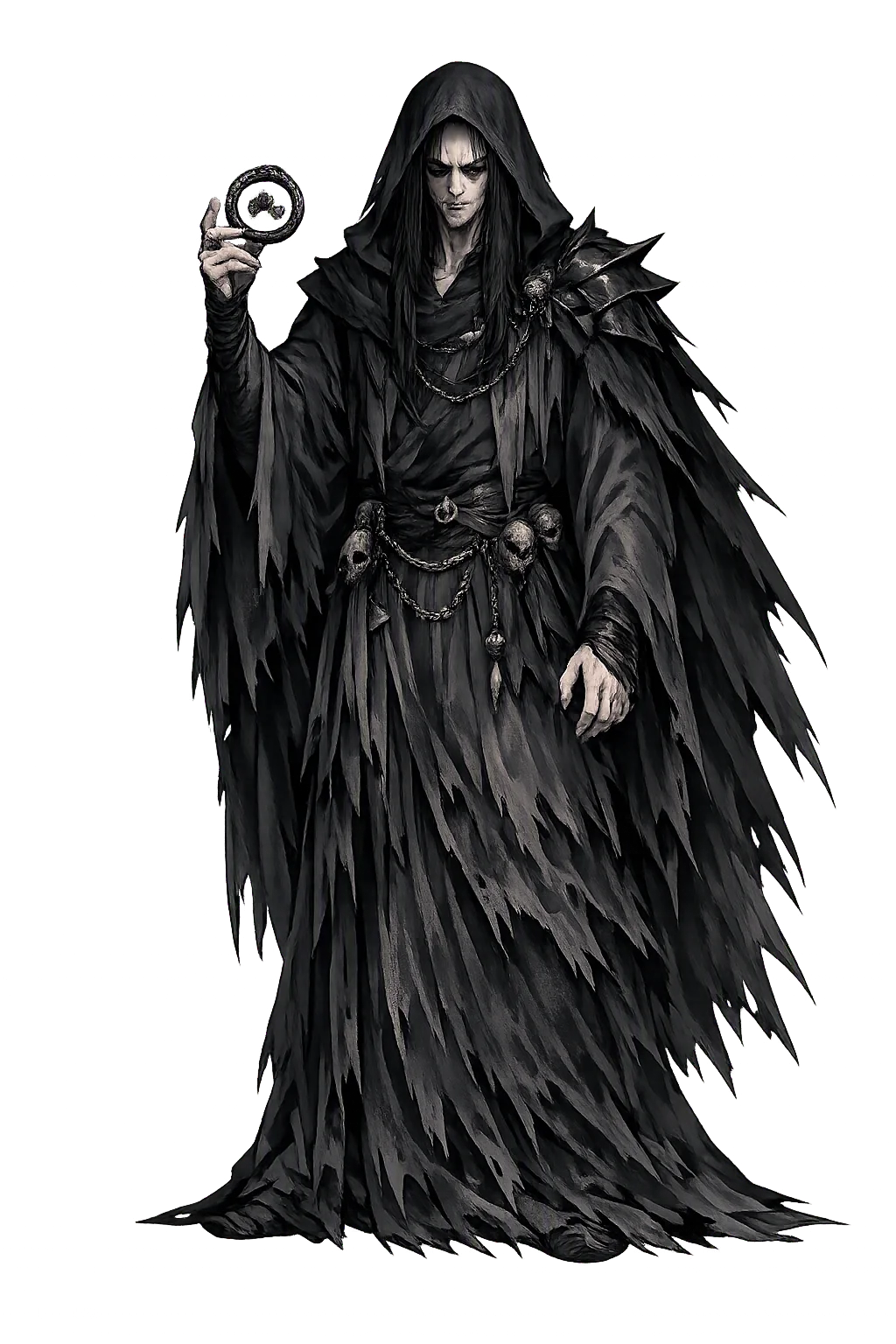
The name is written 𒀭𒈾𒀭𒋻. In Sumerian it is a compound: nam, 'destiny,' and tar, 'to cut, decide, separate.' Namtar is therefore the one who cuts the thread of what must be. In myth he is not a cosmic creator but a terrifying official: the sukkallu (vizier) of Ereškigal, queen of the underworld, the messenger who delivers disease, the clerk of death whose decree even the gods must acknowledge.

Where Enlil decrees destiny from the heights, Namtar executes it in the depths. He embodies the moment when possibility collapses into necessity — the stroke, the fever, the final sentence.

Namtar in Later Traditions

Namtar did not travel as widely as Ištar or Marduk, but his type — the personal minister of death — became one of the most durable figures in religious imagination.

The Sumerian concept of nam-tar as 'decided destiny' underlies later Mesopotamian fatalism: the gods themselves are bound by the decrees written at the beginning. In apotropaic magic, Namtar appears alongside other death demons such as Lamashtu and Pazuzu, though he is less a predator than an executor. The biblical and later figure of the destroying angel who passes through Egypt (Exodus 12) and the Qur'ānic Malak al-Mawt share Namtar's function as the agent who delivers a divine death-sentence, even if no direct historical continuity can be proved. In modern Assyriology, Namtar remains the clearest personification of the ancient Near Eastern belief that death is not chaotic but procedural: a decree carried out by an official who knows the contents of the tablet.

Modern Legacy

The idea that death arrives by appointment, administered by an official who cannot be bribed, has never left human culture.

Namtar's legacy lives in the figure of the psychopomp, the recording angel, and the bureaucratic demon who keeps the ledger of lives. The Sumerian word namtar survived in Akkadian as both a demon and the abstract concept of fate, influencing Persian and later Gnostic ideas of an appointed end. In fantasy and horror, his descendants are the reapers, auditors, and plague-bearers who arrive with paperwork and patience. PuniCodex presents Namtar in plain ASCII transliteration not because the name lacks depth, but because its scholarly form needs no reconstructed diacritic to be philologically defensible. The name still means: the cut that cannot be undone.

Unicode Restoration as Cultural Act

Restoring Namtar in a domain name is more than orthographic accuracy. It is a statement that the internet should recognize the full range of human writing — not only the ASCII keyboard.

05

Frequently Asked Questions

Common questions about Namtar, Fate, Death Demon, and Unicode restoration

01How do you pronounce Namtar?

In reconstructed pronunciation, Namtar is /namˈtar/ — approximately 'nahm-TAHR' — stress the second syllable and let the final r breathe, as though the word itself were being cut short..

02What does Namtar mean?

Namtar means Fate, destiny in the mesopotamian tradition.

03What are the symbols of Namtar?

Namtar is associated with Cuneiform wedge (The written sign (𒋻 tar) that marks the cutting or deciding of fate), Stylus and tablet (The bureaucratic instruments of the underworld minister who records destinies), Pestilence cloud (The invisible affliction carried by 'the hand of Namtar' in incantations), Threshold of the underworld (The boundary Namtar guards and crosses as Ereškigal's messenger), Knife or sickle (The cutting tool implied by tar — the moment fate is severed from possibility).

04Why restore Namtar in Unicode?

Plain ASCII namtar strips the stress, length, and script that make the name specific. Unicode restoration returns the name to its original written dignity.

05What is the most important myth about Namtar?

The Sumerian name is a transparent compound: nam means 'destiny, that which is ordained,' and tar means 'to cut, decide, separate.' Together they describe destiny not as something woven but as something severed — the point at which the possible is cut away and the actual remains. This etymology governs every later appearance of the deity: Namtar is the functionary who carries out the cut. The cuneiform sign 𒋻 (tar) itself evokes a knife or cutting implement, so the name is an icon of fatal decision.

06

Scholarly Sources

The philological foundations of this restoration

Every claim on this page is grounded in established scholarship. The orthographic restorations follow disciplinary convention. The etymological chain follows the best available reference works. This is not invention — it is resurrection through scholarship.

Lexicography & Philology

  • ETCSL
  • Black-Green

Primary Texts

  • The Epic of Gilgamesh; Sumerian temple hymns and Akkadian ritual texts.

Archaeology & Art History

  • Material evidence — iconography, inscriptions, and temple archaeology — for Namtar and related cults.
  • Cuneiform tablets from Nineveh, Assur, and Sippar preserve the Standard Babylonian versions of Nergal and Ereškigal and the Descent of Ištar, both of which cast Namtar as the queen's executive minister. Medical and apotropaic tablets in the Diagnostic Handbook (SA.GIG) and the udug-hul incantation series name 'the hand of Namtar' as a cause of disease. Sumerian literary tablets from Nippur and Ur include references to Namtar in city laments and underworld compositions.

Religious Studies

  • ETCSL
  • CAD (Chicago Assyrian Dictionary)
  • AHw
  • Black & Green, Gods, Demons and Symbols of Ancient Mesopotamia
  • Jacobsen, The Treasures of Darkness
  • Foster, Before the Muses
  • Dalley, Myths from Mesopotamia
  • Nergal and Ereškigal (Standard Babylonian version)
  • Descent of Ištar to the Underworld (Akkadian)
  • Sumerian-Akkadian incantation series against evil demons (udug-hul)
  • Lament for Ur (city lament invoking Namtar as destroyer)
  • Diagnostic Handbook (SA.GIG) references to 'the hand of Namtar'
Return

The Surface Awaits

You have traced the name from its earliest attestation to its Unicode restoration. Now return to the myth. The story is where the name lives.

Back to Lore
Namtar mascot