
The Cult
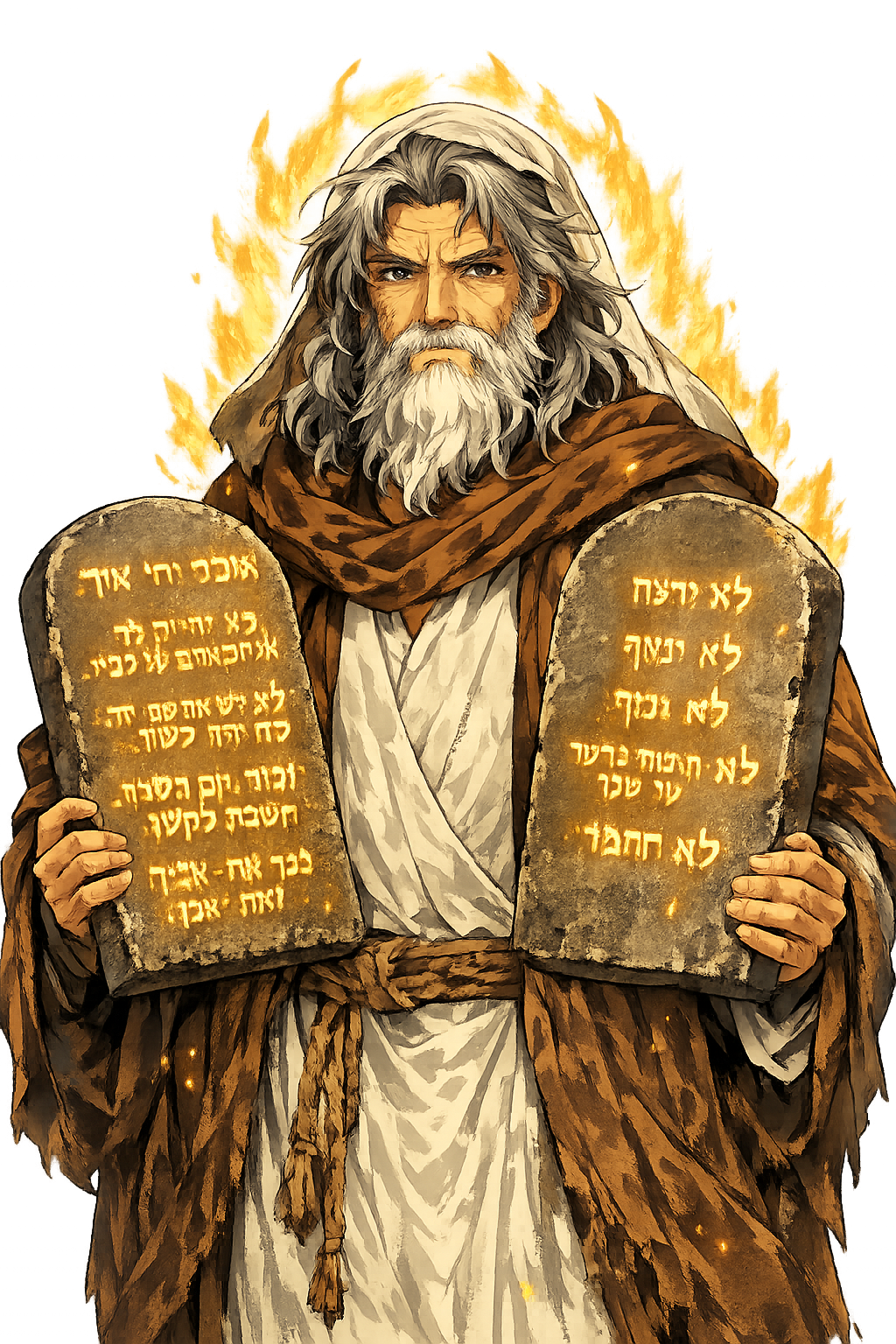
Moses was never worshipped — the biblical traditions guard that line — but he is commemorated with a density most gods would envy. Every Passover seder retells the Exodus as present memory rather than past event, and the Torah's annual cycle assigns his five books their own Sabbaths in synagogue. Christian calendars keep his commemoration — the Roman Martyrology lists him on 4 September — and the Byzantine rite honors him among the prophets. Islam built him a tomb: the Nabi Musa shrine near Jericho, a Mamluk-period mausoleum that became the focus of a great annual pilgrimage festival under the Ottomans. At Mount Nebo in Jordan the veneration is older still: the pilgrim Egeria described visiting the mountain where Moses died in the 380s, a Byzantine basilica with surviving mosaics rose over the site, and today's Memorial Church of Moses continues the station. The evidence is architecture and liturgy rather than votive statues — three religions marking the geography of a man who spoke to God and was buried by him.